Leave Your Message

Top 10 Drone Light Display Companies in China

Drone Light Displays have become a striking feature of festivals, tourism campaigns, product launches, and public celebrations across China. A coordinated fleet can turn a dark waterfront or open plaza into a moving canvas, with each aircraft carrying a pinpoint of light. Yet the spectacle depends on much more than the final image. Flight planning, positioning accuracy, weather decisions, rehearsals, and clear communication with event organizers all shape the result.

This guide to the Top 10 Drone Light Display Companies in China introduces providers with different strengths, from creative design and animation to fleet operations and event delivery. It considers practical factors buyers can compare: demonstrated project experience, fleet capacity, software and show-control processes, safety planning, backup procedures, and the ability to adapt designs to a venue. Details matter. A visually impressive portfolio does not, by itself, show how a company handles wind limits, schedule changes, or a complex launch site.

Company capabilities and service conditions can change, so treat any shortlist as a starting point rather than a final verdict. Ask for recent, relevant case studies, clarify what is included in a quotation, and confirm that local approvals and operational requirements are addressed for your event. Not every impressive show is the right fit. A modest, well-rehearsed display may serve an audience better than an ambitious plan with little room for adjustment. This comparison aims to make those trade-offs easier to see, while recognizing that public information may not reveal every operational detail.
Top 10 Drone Light Display Companies in China

Definition and Scope of Drone Light Displays in China

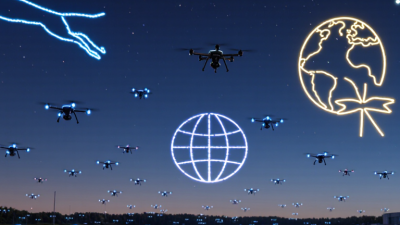
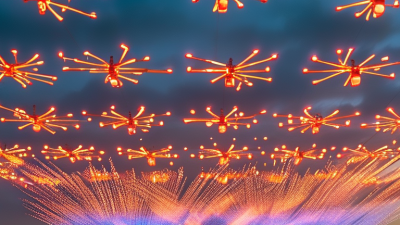
Drone light displays in China are coordinated outdoor performances in which multiple illuminated drones follow planned flight paths to create shapes, words, or moving scenes. Each drone acts as a small, timed point of light. Together, the fleet can form a dragon, a flower, or a sequence of changing patterns. The effect depends on precise positioning, synchronized movement, and careful control of brightness.

The scope goes beyond the aircraft themselves. It may include creative design, flight planning, equipment checks, site assessment, rehearsals, and coordination with event organizers. Venue size, viewing angles, nearby structures, and local weather can all affect what audiences see. A design that looks clear on a screen may appear cramped when viewed from the ground. That gap deserves attention. Drone displays are also different from fireworks: they create images through controlled movement rather than explosive effects.

Tips: Check that the proposed formation suits the viewing area, and ask how rehearsals and weather decisions are handled. Look for practical explanations, not just impressive renderings. Small details matter.

Planning is never perfect. Even a well-tested sequence may need adjustment on site. That is part of the craft.


How Drone Light Shows Are Designed and Operated

Top 10 Drone Light Display Companies in China

How Drone Light Shows Are Designed and Operated

A drone light show starts with a clear creative brief. Designers map each image into points that drones can form in the sky. A glowing flower, for example, may need carefully spaced aircraft and smooth transitions between shapes. Teams then check viewing angles, flight boundaries, and the time needed for each movement. The animation must look good on screen and remain legible from the audience area.

Before the show, operators inspect the aircraft, batteries, communications, and launch area. They review the flight plan and assign roles for monitoring the fleet and coordinating timing. Weather matters: wind, rain, or poor visibility can require a delay or cancellation. During the performance, operators watch system status and follow agreed procedures if a drone behaves unexpectedly. A polished animation can hide a complicated process. One lesson worth remembering: a beautiful formation is not automatically easy to read from every seat.

Tips: Keep shapes bold and transitions unhurried. Check sightlines from several audience locations, not just the control area. Build rehearsal time into the schedule, and agree on a clear stop procedure before launch. Small gaps in a formation may still appear; review footage afterward and adjust the design.

Top 10 Drone Light Display Companies in China - How Drone Light Shows Are Designed and Operated

No. Design or Operation Area Typical Data or Requirement How It Is Used
1 Show concept and storyboard A timed sequence of images, transitions, and music cues Designers turn the event theme into simple, legible shapes that can be viewed from the audience area.
2 Fleet sizing Aircraft count depends on image complexity, viewing distance, site limits, and budget More aircraft can support finer shapes, but require additional launch space, ground crew, and operational planning.
3 3D choreography and animation Each aircraft follows a programmed position over time Animation software converts the storyboard into coordinated trajectories and checks transitions for potential conflicts.
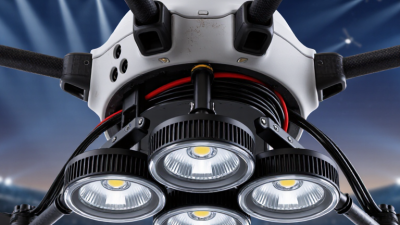
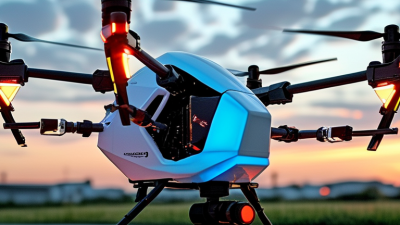
4 Aircraft and LED payload Multirotor aircraft with programmable, downward- or outward-facing lights Light color and brightness are selected for visibility; payload weight affects battery use and flight performance.
5 Positioning and synchronization GNSS-based positioning; RTK corrections can provide centimeter-level positioning in suitable conditions Positioning data and synchronized timing help aircraft hold formation and change images together.
6 Flight control and monitoring A ground control system monitors aircraft status, mission progress, and faults Operators review telemetry and follow pre-planned procedures for communication, navigation, or battery alerts.
7 Battery and turnaround planning Flight time varies with aircraft, payload, battery condition, and weather Teams check and charge batteries according to manufacturer limits and prepare spare units for the planned schedule.
8 Site layout and safety boundary Launch area, audience area, flight volume, and contingency area are mapped before the event Boundaries and separation distances are set through site-specific risk assessment rather than one universal figure.
9 Weather and visibility checks Wind, precipitation, visibility, and temperature limits depend on the aircraft and approved operating plan The team checks current conditions and may delay, modify, or cancel a flight when limits are exceeded.
10 Airspace coordination and rehearsal Required approvals and coordination depend on location, airspace, aircraft, and event conditions Before launch, teams verify applicable requirements, test the mission workflow, brief crew roles, and confirm emergency procedures.

Criteria for Comparing Drone Light Display Companies

When comparing drone light display companies in China, judge more than the number of aircraft in a fleet. Ask for a flight plan, site survey, and contingency procedures tailored to your venue. Good operators explain how wind limits, battery rotation, and launch spacing affect the show. Details matter. Review past performances in similar conditions, not only polished highlight reels. Request footage or references with permission, and check whether the choreography remains clear from different audience viewpoints.

Technical capacity is only part of the comparison. Examine crew experience, rehearsal time, maintenance records, and event-day communication. Ask how the provider handles delays, equipment faults, and schedule changes. Safety documentation should be specific, current, and consistent with local requirements; vague assurances are not evidence. Compare quotes line by line, including design revisions, transport, setup, and standby support. A low price may omit useful safeguards. Yet a large fleet does not guarantee a better show. Notice how candidly a team discusses limits. Some proposals look impressive on paper but leave little room for weather or site constraints. That caution may feel excessive, but it can prevent avoidable surprises.

Top 10 Drone Light Display Companies in China: Comparison Criteria

The chart shows the number of review prompts in a comparison checklist for each criterion—not company scores or market statistics. Evaluate providers using documented evidence such as fleet specifications, safety procedures, creative portfolios, permit experience, support plans, and itemized quotes.

Top 10 Drone Light Display Companies in China

China’s drone light display industry combines flight planning, software, hardware, and creative design. A credible Top 10 comparison should examine these capabilities, not just impressive videos. Details matter. Ask how teams handle wind, battery changes, and precise spacing across hundreds of aircraft.

Experienced providers usually explain their process clearly. They can show rehearsal footage, discuss launch-site inspections, and describe how they coordinate operators and visual designers. A client should also ask about backup aircraft, communication procedures, and schedule changes. These practical details reveal more than a polished animation. Still, a portfolio cannot prove every show will run smoothly.

Pricing deserves careful comparison. A low quote may exclude site surveys, custom animation, or extra rehearsal time. Request an itemized proposal and clarify what happens if weather disrupts the plan. A neat scorecard can still miss creative chemistry, which is harder to measure. That is worth admitting. For event planners, the strongest candidates are those who pair technical discipline with realistic promises and clear answers.

Applications and Emerging Trends in China’s Drone Light Industry

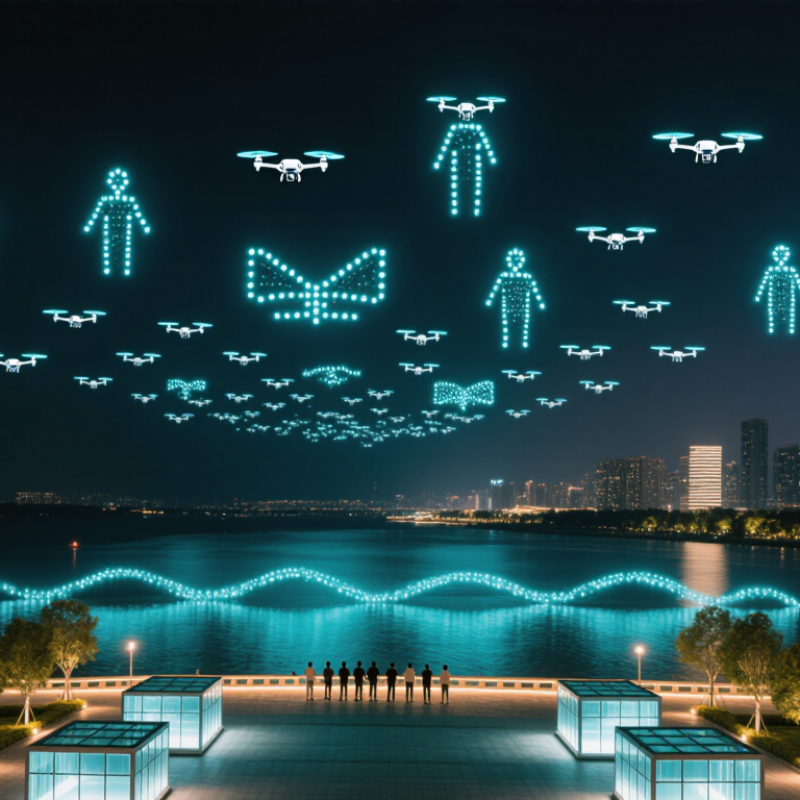
China’s drone light displays now serve tourism, festivals, cultural celebrations, and corporate events. At a waterfront show, coordinated lights can trace a moving wave above the audience. In historic districts, aerial patterns may echo local architecture without placing equipment on buildings. Each setting requires careful planning around viewing angles, crowd movement, weather, and approved flight areas.

Emerging trends include more detailed animation, flexible show layouts, and software that helps teams check formations before takeoff. Some projects combine drones with music or ground-based lighting, creating a more complete experience. Reusable choreography can reduce preparation time, though local stories still need thoughtful design. Brighter effects are not automatically better. Wind, battery capacity, and visibility can limit what operators safely deliver, and a missed formation remains noticeable.

Tips: Ask how a provider handles weather delays, site surveys, rehearsal, and audience safety. Request a sample flight plan and confirm that the proposed show fits the venue. Small details matter: trees, reflective water, and nearby lighting can change what spectators actually see.