Why Choose a Drone LED Light Show for Your Event?
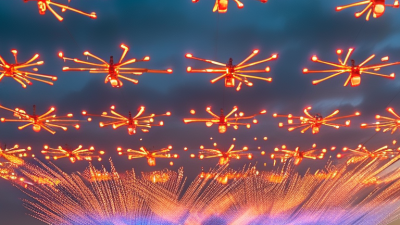
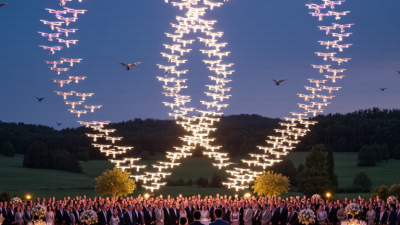
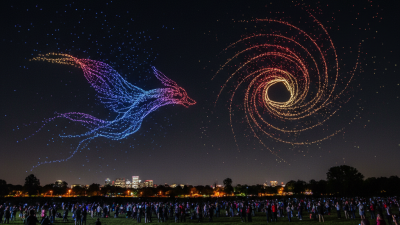
A Drone Led Light Show can turn an ordinary event into a shared moment of wonder. Hundreds of illuminated drones may rise together, forming a logo, moving constellation, or three-dimensional story above the audience. Unlike fireworks, the display can use programmable colors, precise formations, and quieter transitions. The result feels designed rather than accidental.
Anil Nanduri, former vice president and general manager of Intel’s Drone Group, described this potential clearly: “Drones are a new medium for storytelling.” His insight matters because a successful show is not only about bright aircraft. It requires experienced flight crews, tested choreography, reliable communication systems, and careful site planning. Professional providers also review airspace, crowd locations, weather conditions, launch zones, and local permissions before flight. Details matter.
The best show serves the event’s purpose. A product launch might reveal a glowing emblem. A wedding could display initials above a dark shoreline. A festival may use music, color, and movement to create a memorable finale. Yet spectacle alone is not enough. A large fleet can appear impressive but emotionally empty if the story is unclear. That is an easy mistake to make.
A thoughtful Drone Led Light Show leaves space for restraint. Fewer drones may create stronger shapes. A slower formation may feel more elegant. Some plans will need revision after wind tests or technical rehearsals. That is not failure. It is responsible production. When creativity meets disciplined preparation, the sky becomes an expressive stage, not merely a backdrop.
What Is a Drone LED Light Show?
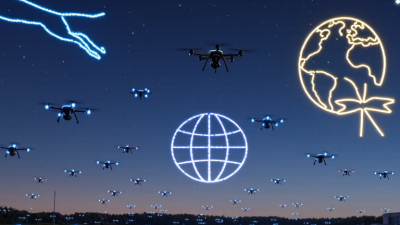
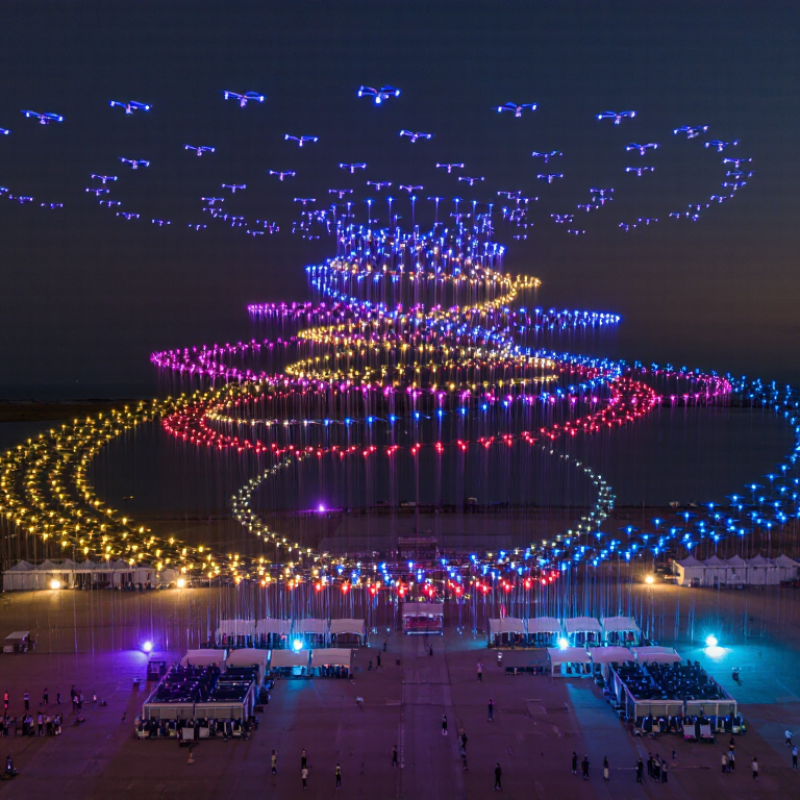
A drone LED light show is a programmed aerial performance using multiple small unmanned aircraft. Each drone carries bright LEDs and follows a carefully calculated position in three-dimensional space. Together, the drones create moving symbols, words, animals, or abstract patterns above an event site. The effect resembles a floating screen, but every pixel has its own flying unit.
The technology combines flight-control software, positioning systems, animation design, and safety planning. The U.S. Federal Aviation Administration reported more than 800,000 registered civil drones in 2024, showing how widely unmanned aircraft are entering public and commercial spaces. Industry research also projects strong drone-market growth, with Grand View Research estimating a 13.9% compound annual growth rate from 2023 to 2030. That growth does not guarantee a perfect show. Wind, visibility, battery limits, and local permissions still matter. The sky can be less cooperative than the storyboard.
Tips: Choose a clear viewing area with limited nearby lighting. Confirm the operator’s permissions, insurance, weather procedures, and emergency plan. Ask how many drones are needed for readable shapes. More drones do not always create better storytelling. A smaller formation may look cleaner and feel more intentional. Test the viewing distance, too. A design that looks sharp on a laptop may appear ordinary from the audience field.
How Drone LED Light Shows Work
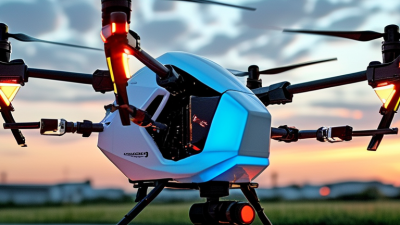
A drone LED light show begins with a digital flight plan. Designers convert images, words, and moving patterns into thousands of timed positions. Each drone carries bright LEDs, a flight computer, batteries, and positioning equipment. Together, these parts create a floating screen in the night sky.
Before the show, technicians test the formation in simulation software. They check spacing, altitude, battery capacity, and communication signals. During the performance, each drone follows its assigned route while receiving synchronized timing data. Positioning systems help maintain accurate movement, even when shapes change quickly. The LEDs adjust color and brightness at specific moments.
Precision matters. Small errors can become visible gaps. Wind can also affect timing and spacing. Experienced crews monitor weather, equipment status, and the approved operating area throughout the event. From practical observations, rehearsals often reveal problems that simulations miss, such as reflections from nearby buildings or unclear viewing angles. The show may need adjustments. That is part of responsible production. Operators should also plan launch zones, emergency procedures, and audience separation according to local aviation requirements. A well-designed performance is not only visually impressive; it depends on careful testing, trained supervision, and honest limits.
Key Benefits for Different Types of Events
Why Choose a Drone LED Light Show for Your Event?
A drone LED light show can turn an ordinary event into a shared visual experience. Freeman’s 2024 Meaningful Brand Experiences report found that 91% of attendees value in-person connection. A coordinated formation above the audience creates that connection quickly. It gives festival guests a moving focal point, without adding smoke, loud pyrotechnics, or physical stage clutter. The effect feels large. The setup can remain surprisingly quiet.
For corporate launches, drones can display abstract shapes, numbers, or a carefully approved logo. This supports product storytelling without relying only on screens. Event planners should still check airspace rules, weather limits, insurance, and local approvals. Details matter. For weddings and private celebrations, softer colors and slower movements can match the emotional tone. A 2024 report from Drone Industry Insights identifies expanding commercial drone applications and improving automation as major industry trends, although entertainment remains dependent on skilled operators.
Public celebrations benefit from scale. One performance can serve a broad viewing area, while timed music helps audiences stay engaged. However, bigger is not always better. Dense formations may look impressive in planning software but lose clarity from the ground. Rehearsal footage, audience sightline tests, and a backup plan are essential. Eventbrite’s 2024 TRNDS report also highlighted strong demand for experiences that create community and memorable participation. A drone show can support that goal, but only when the story feels relevant, not merely expensive.
Safety, Regulations, and Environmental Considerations
Why Choose a Drone LED Light Show for Your Event?
Safety and compliance should shape every drone light show. The U.S. Federal Aviation Administration reported more than 850,000 registered drones in its 2024 aerospace forecast. That scale demands trained pilots, documented risk assessments, and reliable communication. Operators should confirm airspace approval, pilot qualifications, remote identification rules, crowd separation, and emergency landing zones. Requirements differ between countries and even cities. Never assume a previous event sets a legal precedent.
Environmental planning also matters. The U.S. Department of Energy reports that LED lighting uses at least 75% less energy than incandescent lighting. However, drones still require battery charging, transport, maintenance, and replacement parts. Their environmental advantage is not automatic. A responsible operator should disclose battery chemistry, charging sources, flight duration, and waste procedures. Quiet electric flight can reduce smoke, debris, and sudden noise compared with fireworks, but wildlife and nearby residents still deserve consideration. A perfect plan is unrealistic. Honest limits build trust.
Tips: Request insurance and maintenance records before signing. Ask for a weather cancellation policy. Keep spectators outside the flight path. Schedule a short technical rehearsal. Avoid sensitive wildlife periods and protected airspace. The FAA, EASA, and local aviation authorities provide useful regulatory guidance, but local approval remains essential. Document every decision, including the uncomfortable ones.
Why Choose a Drone LED Light Show for Your Event?
Safety, regulations, and environmental considerations
How to read this chart:
The values show the standard maximum operating altitude above ground level in selected aviation frameworks. They are regulatory ceilings, not recommended show heights. A professional event plan must also account for airspace authorization, visual line of sight, crowd separation, lighting requirements, local permits, weather, and emergency procedures.
Drone LED shows can avoid the combustion smoke, noise, and physical debris associated with fireworks. However, their environmental impact is not zero: battery production, charging electricity, transport, maintenance, and end-of-life recycling should be included in event planning. Using rechargeable systems and renewable electricity can help reduce the overall footprint.
Sources:
U.S. FAA Part 107,
EASA drone rules,
UK CAA drone guidance.