What is a Drone Entertainment Show and How Does it Work?
In recent years, the concept of a "Drone Entertainment Show" has captured the imagination of audiences worldwide. These innovative shows use a fleet of drones to create stunning visual displays, combining choreography with technology. As the industry continues to grow, experts are weighing in on its potential. Drone specialist Angela Fletcher states, “The artistry of drone shows is redefining live entertainment.” Her insights highlight the creativity and technical skill involved in these performances.
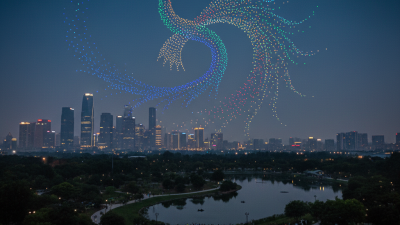
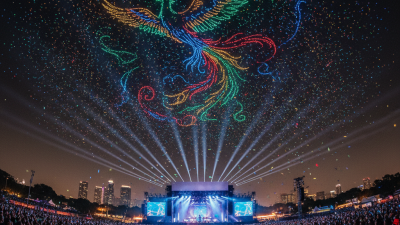
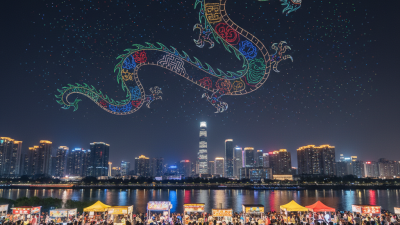
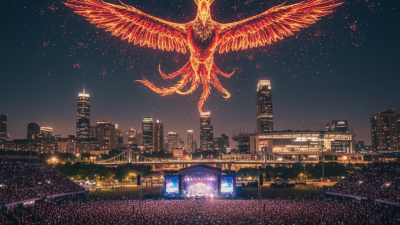
Drone Entertainment Shows often feature synchronized lights and patterns, transforming the night sky into a vibrant canvas. They merge art, engineering, and storytelling, captivating viewers at festivals, concerts, and special events. Each show is unique, with designers crafting sequences that resonate emotionally with the audience.
However, challenges exist. Ensuring safety and precision in drone coordination is crucial. Also, environmental considerations come into play, as organizers must balance spectacle with sustainability. The evolving technology poses opportunities and dilemmas for producers. As the industry matures, reflections on these aspects will shape the future of Drone Entertainment Shows.
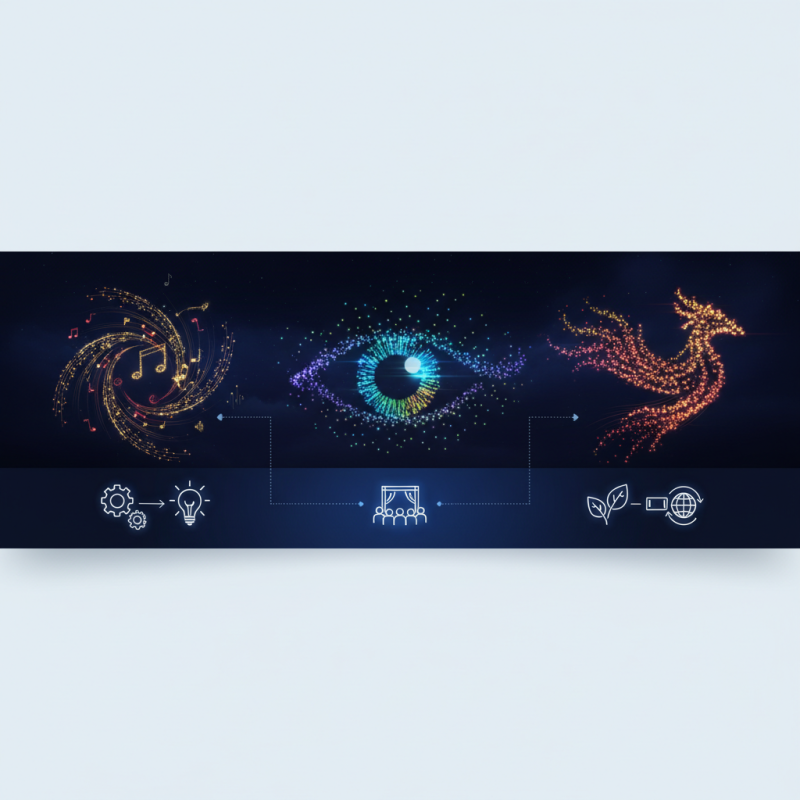
What is a Drone Entertainment Show?
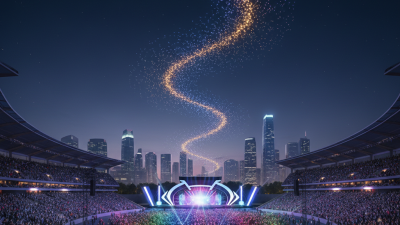
Drone entertainment shows are innovative performances that utilize aerial drones equipped with LED lights or projectors. These shows create mesmerizing visual displays and storytelling elements through synchronized drone movements. They often take place at large events, festivals, and public celebrations, captivating audiences with their dynamic capabilities.
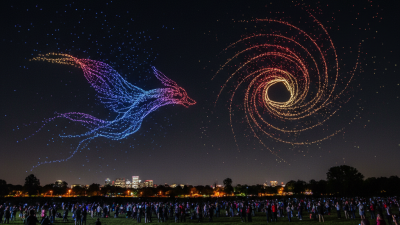
The visual effects produced by drones can range from simple light patterns to complex images and animations. The technology behind these displays involves precise choreography and programming. Drones are controlled by specialized software that allows for tight synchronization among numerous units. This level of coordination is crucial; one malfunction can disrupt the entire performance.
Tips: Consider the space for drone shows. Large open areas are ideal for proper visibility and safety. Check local regulations if you're interested in hosting a show. Drone shows can be expensive due to the technology and labor involved, so budget accordingly. It's also important to plan for potential weather disruptions, which can affect drone operations.
Drone Entertainment Show: Audience Engagement Over Time
Key Components of a Drone Entertainment Show
A drone entertainment show combines technology and artistry. The key components include drones, choreography, and software. Drones are at the heart of these performances.
They come equipped with LED lights that create stunning visual displays in the night sky. Each drone functions as an individual performer, allowing for intricate movements and formations.
Choreography plays a vital role in the show. A skilled choreographer designs sequences that tell a story or evoke emotions. This requires a strong understanding of timing and spatial awareness. While technology simplifies many aspects, human creativity remains essential. Perfecting these routines can be challenging, requiring numerous rehearsals.
Software is crucial for syncing the drones. It orchestrates their movements to create a seamless performance. Programmers have to account for factors like wind and drone battery life. This can lead to adjustments on the fly. Even the best shows may face unexpected hiccups. Learning from these moments can enhance future performances. Each component works together to create a captivating experience that engages audiences.
How Drone Technology Enhances Entertainment Experiences
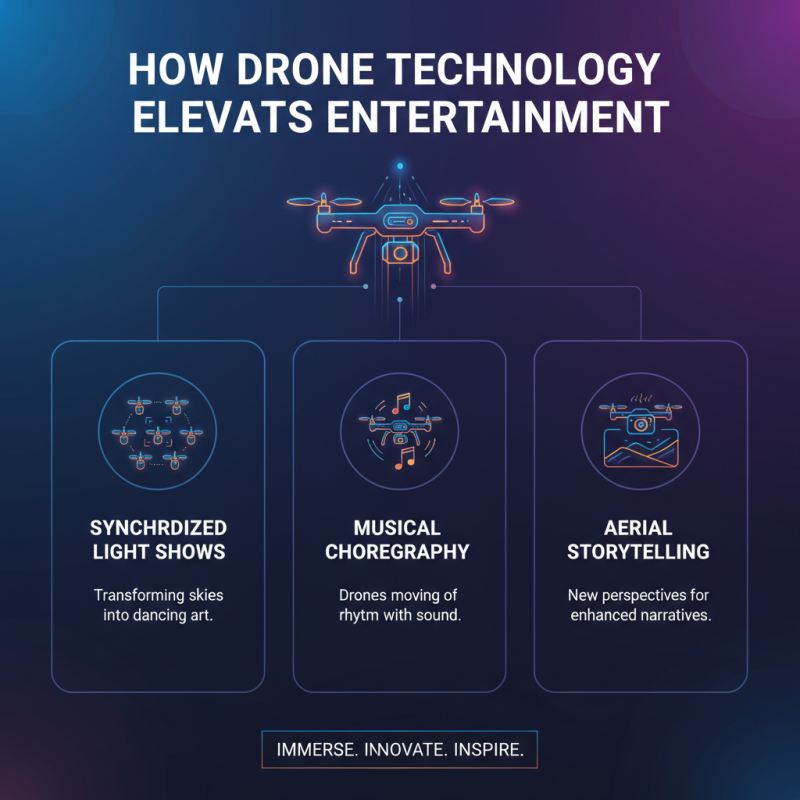
Drone technology has revolutionized the entertainment industry. With advanced capabilities, drones create immersive experiences for audiences. These flying devices can perform synchronized light shows, dance to music, and even capture aerial footage that enhances storytelling. They transform ordinary events into extraordinary spectacles.
Drones bring a unique perspective to live performances. Their agility and precision allow for stunning visual effects. Imagine colorful lights illuminating the night sky while drones form shapes and patterns. This artistic expression captivates viewers, making the experience memorable. However, coordinating many drones presents challenges. Technical issues can disrupt performances, highlighting the need for thorough preparation.
Moreover, using drones raises questions about safety and privacy. Events must ensure that they operate within legal frameworks. Audience safety is paramount, so thorough risk assessments are essential. As the technology evolves, finding a balance between creativity and responsibility remains crucial for a successful drone entertainment show.
Steps Involved in Planning a Drone Entertainment Show
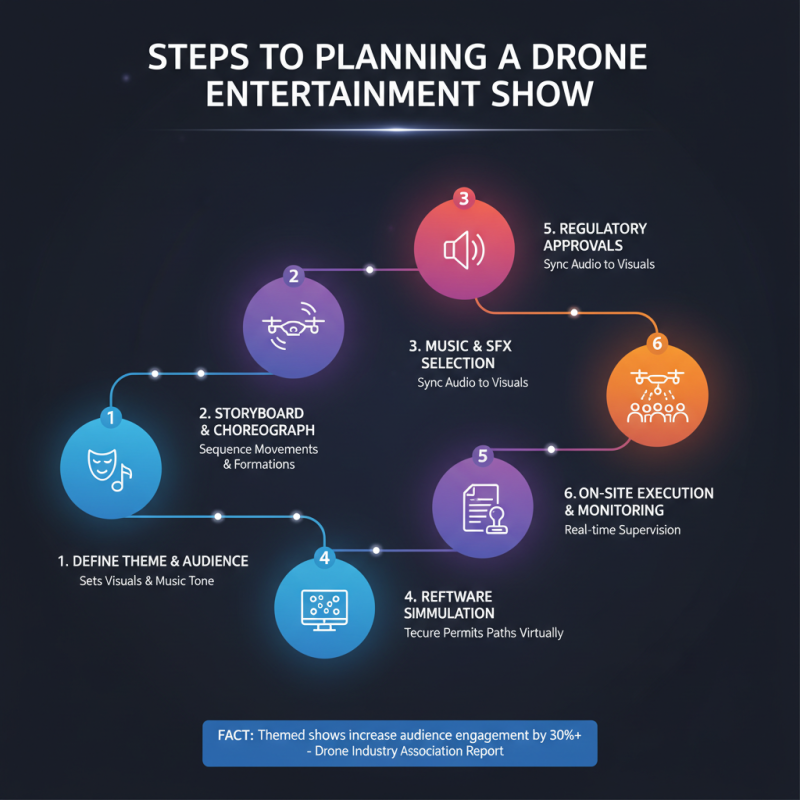
Planning a drone entertainment show involves multiple steps to ensure a successful performance. Start by defining your show's theme and audience. This foundation sets the tone for the visuals and music. According to a report by the Drone Industry Association, drone light shows have increased audience engagement by over 30% when themed appropriately.
Next, you need to acquire the right technology. Choose drones that meet safety and visual requirements. Various drones may offer different lighting capabilities and flight patterns. Research indicates that shows with synchronized choreography can captivate audiences more effectively, boosting overall satisfaction.
When assembling your team, focus on professionals experienced in drone operations, programming, and safety protocols. Communication is vital as the show requires seamless coordination. Additionally, test flights are crucial to identify potential issues. It's prudent to reflect on past events and learn from them. Evaluate what worked well and what didn't.
*Tips:* Always have a backup plan for technical malfunctions. Consider weather conditions leading up to the event. Audience safety should always be a priority to avoid any risks. Select your venue carefully; acoustics and visibility can vastly impact the audience experience.
Safety Considerations for Drone Shows and Audience Engagement
Drone entertainment shows blend technology and artistry, captivating audiences with synchronized light displays. However, safety remains a significant concern. Drones often operate in crowded spaces. This proximity increases the risk of accidents, making proper planning essential.
Safety measures include thorough risk assessments. Organizers must evaluate the venue, wind conditions, and drone specifications. Clear safety protocols protect both the audience and performers. Operators should conduct regular equipment checks, ensuring all drones are in top condition. Yet, even with precautions, unforeseen issues can arise during any performance.
Engaging the audience is crucial in drone shows. Creators can use interactive elements, allowing spectators to influence the light patterns. Additionally, incorporating storytelling enhances the viewing experience. However, striking the right balance between awe and safety is a constant challenge. Audiences crave unforgettable experiences but deserve safe environments. Each show is a learning opportunity, pushing for improvements in both engagement and safety measures.
What is a Drone Entertainment Show and How Does it Work?
| Dimension |
Details |
| Show Duration |
10 - 30 minutes |
| Drone Count |
50 - 500 drones |
| Light Effects |
RGB LEDs, laser beams |
| Common Themes |
Cinematic scenes, Abstract patterns |
| Safety Considerations |
Spectator distance, emergency protocols |
| Audience Engagement |
Interactive apps, social media integration |