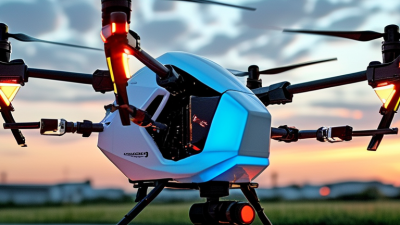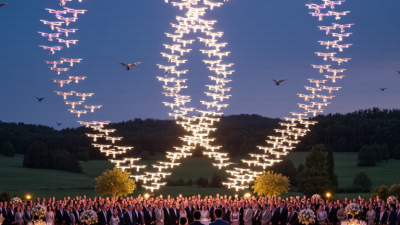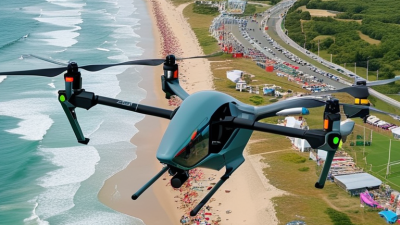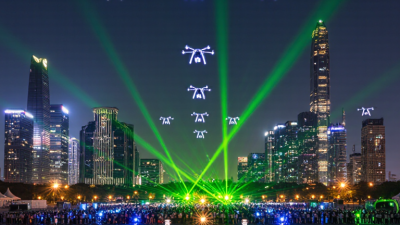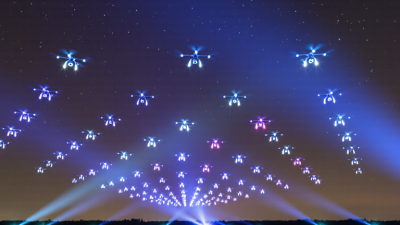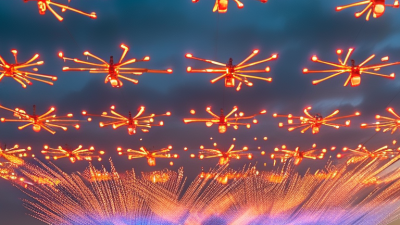
A Sky Drone Show transforms hundreds or thousands of small aircraft into a moving canvas above an audience. Each drone carries bright LED lights, positioning equipment, batteries, and flight-control software. Together, they create symbols, animals, logos, and three-dimensional patterns in the night sky. The effect looks effortless. It is not.
Anil Nanduri, Intel’s former vice president and general manager of drone systems, described the technology clearly: “Drone light shows are the next generation of fireworks.” His observation captures the shift from explosive spectacle to programmable aerial storytelling. Before a performance, specialists design flight paths, test formations, check weather conditions, and establish safety zones. Operators then monitor the fleet from a control station while every drone follows carefully calculated coordinates. Timing matters. A fraction of a second can change a letter or break a formation.
This article explains what a Sky Drone Show is and how it works, from animation software to synchronized navigation. It also considers the practical details audiences rarely see, including battery limits, wind tolerance, launch preparation, and emergency procedures. Experience shows that visual beauty depends on disciplined planning. Still, the technology is not flawless. Weather can interrupt a performance, and complex designs may appear less precise from certain viewing angles. That limitation deserves attention, not concealment. A responsible show balances creativity with tested procedures, trained crews, approved operating requirements, and honest communication with spectators. The sky may look magical, but the magic comes from engineering, preparation, and constant correction.
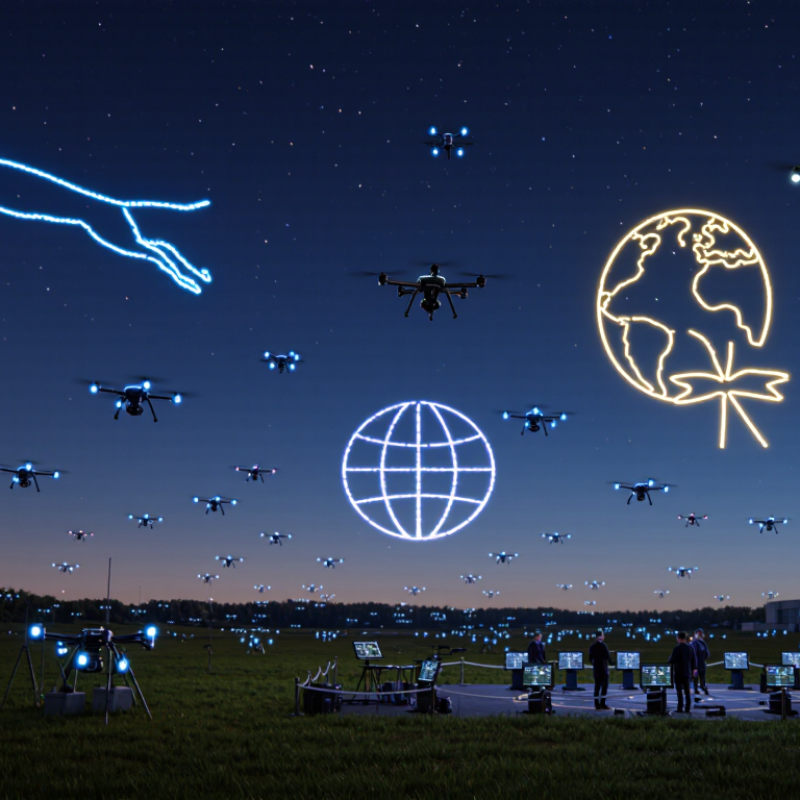
A sky drone show is a planned outdoor performance in which many small aircraft create pictures and moving patterns overhead. Each aircraft carries bright LED lights and follows a programmed route. Together, the drones can form a moon, a flower, or words that slowly change across the night sky. Quiet, but not silent. Depending on their distance and number, viewers may hear a soft buzz.
Before a performance, specialists plan the shapes, timing, flight paths, and spacing between aircraft. A control system sends instructions while operators monitor the fleet and local conditions. Wind matters: even a careful plan may need changes if the weather shifts. The show also depends on clear sightlines, since trees or buildings can hide parts of a formation.
From the audience, the images can seem perfectly still, but every drone is making small adjustments in the air. That takes practice. A shape may look crisp from one viewing spot and uneven from another, a detail that is easy to miss in promotional photos. In person, the slow transitions and changing colors often make the performance feel more dimensional than a single image can suggest.

A sky drone show uses many small aircraft to draw moving shapes and images above an audience. Each drone carries bright LED lights, while a flight controller follows a planned route. The effect looks fluid from the ground, but every movement depends on careful timing and spacing.
Several technologies work together. Choreography software converts an animation into individual flight paths, checking that drones stay separated. Satellite positioning helps each aircraft locate itself; some systems add correction signals for greater precision. A communication link sends instructions and status updates, while onboard sensors help drones respond to movement or faults. Batteries power the flight and lights, so show length depends partly on payload, temperature, and wind. Operators monitor aircraft and weather throughout the performance. No system is foolproof; signal quality and real-world conditions can still affect a carefully rehearsed plan.
Tips: Look for a clear launch area, and follow the crew’s viewing guidance. Arrive early. If wind rises or visibility worsens, the team may delay or cancel the show. That can feel disappointing, but safety margins matter more than keeping a schedule.
A sky drone show is designed like a moving picture in three dimensions. The creative team turns a theme into a storyboard, then breaks each scene into simple shapes, symbols, or flowing lines. Every drone becomes a single point of light. Its position, color, and timing are planned as part of the larger image. Designers also consider viewing distance, wind, and how quickly one formation can become another. A beautiful sketch may not work in the sky. That is part of the process.
Tips: Keep shapes bold and readable. Test transitions between scenes, not just the final image. Leave enough space between drones for safe, clear formations.
Programmers translate the approved choreography into flight paths and timed lighting cues. Software checks whether the paths can be flown smoothly and whether drones might come too close together. Teams review simulations before a show, then qualified operators conduct equipment checks and follow site-specific safety plans. Weather can still change the plan. A rehearsal may reveal awkward pauses or shapes that look cramped from the audience’s viewpoint. Those flaws are useful feedback, even when they are frustrating. The design improves through careful testing, not software alone.
A sky drone show uses multiple small unmanned aircraft, each fitted with lights, to create coordinated shapes and animations in the night sky. The figures are planned digitally, converted into flight paths, and performed by drones synchronized through positioning and timing systems.
| Stage or Element | What Happens | Typical Planning Considerations | How It Supports the Show |
|---|---|---|---|
| Concept and story | The creative team defines the theme, audience, setting, and sequence of visual moments. | Show length, viewing direction, event schedule, and local operating requirements. | Gives the animation a coherent beginning, middle, and ending. |
| Visual design | Artists sketch or model images, lettering, transitions, and movement in three-dimensional space. | A drone represents one light point, so image detail depends on fleet size, spacing, and viewing distance. | Turns a creative idea into shapes that can be built from individual aircraft positions. |
| Fleet and formation planning | Design software assigns drones to points in each formation and plans how they move between them. | Aircraft capabilities, safe separation, flight volume, battery capacity, and the complexity of the animation. | Determines the scale and detail of the images and helps avoid conflicting flight paths. |
| Animation and timing | Each aircraft receives a time-based route, including position, movement, and light-color instructions. | Transition speed, pauses, music cues, visibility, and the time needed for each image to form. | Keeps the fleet’s movements and lighting coordinated throughout the performance. |
| Positioning and control | A ground control system sends the prepared mission to the aircraft and monitors their status during flight. | Satellite positioning, communication links, site conditions, and applicable aviation rules. | Helps the drones follow their planned positions and allows operators to supervise the flight. |
| Safety planning | The operator assesses the site, defines operating boundaries, and prepares procedures for abnormal conditions. | Airspace approval, weather limits, audience separation, emergency landing areas, and local regulations. | Reduces operational risk; requirements vary by location and must be confirmed with the relevant aviation authority. |
| Testing and rehearsal | The team checks the mission file, aircraft, communications, lighting, and show sequence before the public performance. | Site access, weather, equipment readiness, and any required test flights or approvals. | Helps identify technical or visual issues while there is still time to address them. |
| Live performance | After launch, the drones execute the programmed sequence while trained personnel supervise the operation. | Visibility, wind, precipitation, battery status, and the operator’s go/no-go criteria. | Presents the finished animation; the operator may delay or stop a flight if conditions are unsuitable. |
Note: Fleet size, show duration, flight height, separation distances, and approval requirements are project- and location-specific. They should be set by the qualified operator in accordance with applicable rules and site conditions.
A sky drone show is a coordinated flight in which illuminated drones form patterns above an audience. Each aircraft follows a preplanned path and timed movements, turning points of light into shapes, symbols, or flowing scenes. The choreography may look effortless. Behind it sits careful planning.
How do drones perform a synchronized show? A team maps each drone’s route in three dimensions and assigns it a position in the formation. Before takeoff, technicians check the aircraft, batteries, navigation systems, and programmed sequence. During the flight, onboard systems use positioning data to follow assigned paths, while a ground station lets operators monitor the fleet. Timing matters. If one drone drifts or loses reliable positioning, the team may pause or end the performance. Wind, rain, and signal conditions can also affect whether a show should proceed. The formations can look perfectly crisp, but real-world conditions leave little room for guesswork. A slight pause may be safer than forcing a sequence.
Tips: Watch from the designated viewing area, and follow event staff instructions. Keep your eyes on the whole formation, not just one drone. If weather changes, the display may be adjusted or canceled; that can feel disappointing, but it is a sensible trade-off.
How synchronized drone shows work
The bars show the order of the main stages, not their duration or the number of drones. Before the show, flight paths and lighting cues are programmed. During the performance, drones use shared timing and positioning data to follow those paths and create coordinated formations.
A safe sky drone show begins long before takeoff. The operator maps the flight area, checks airspace restrictions, and obtains required approvals from the relevant aviation authority. Each aircraft should have a tested flight plan, an identified pilot in command, and a clear return or landing procedure. Small margins matter. A marked spectator boundary keeps people away from launch and recovery zones, where spinning propellers and hurried equipment moves create practical risks.
Weather checks are not a formality. Wind, rain, poor visibility, or unexpected gusts can disrupt position control, so crews need defined cancellation limits. They also inspect batteries, motors, navigation systems, and communications before launch. A trained observer can watch the aircraft and surrounding airspace while the pilot monitors the control system. The FAA’s 2023 UAS Sightings Report recorded 2,764 reported drone sightings near airports. These reports do not prove every sighting was a confirmed hazard, but they reinforce why route planning and airspace coordination matter.
During the show, operators should monitor each aircraft’s status and be ready to pause or end the performance if conditions change. Emergency landing areas and a rehearsed response plan should be clear to the whole crew. Weather changes fast. A checklist helps, but it cannot replace sound judgment; even a carefully planned show can expose gaps when wind shifts or equipment behaves unexpectedly.