Leave Your Message

2026 How to Choose the Best Light Show Drone?

Choosing the best Light Show Drone in 2026 requires more than comparing flight time or LED brightness. A reliable show is a coordinated system involving aircraft, software, batteries, pilots, venue planning, and emergency procedures. Recent market studies support this wider view. Drone Industry Insights’ Drone Market Report 2024–2029 identifies commercial services as a major driver of drone industry growth. Grand View Research also reports continued expansion in commercial drone applications. However, these reports cover broader drone markets, not light shows alone. That limitation matters.

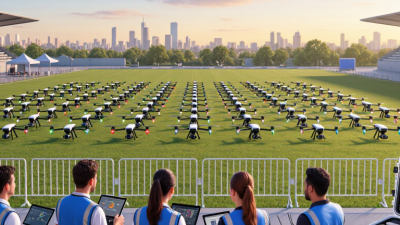
Look closely at real operating conditions. A 500-drone performance may require bright LEDs, accurate positioning, and stable communication across a large outdoor venue. Wind can turn an impressive specification into a safety concern. Battery endurance should match the planned animation, including takeoff, formation changes, and landing reserves. Ask whether the platform supports RTK positioning, encrypted communication, geofencing, fleet monitoring, and automatic fault responses. These details often matter more than a headline maximum range.

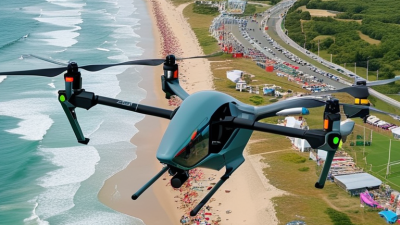
The best choice also depends on the event itself. A coastal festival needs stronger weather resistance. An indoor launch may prioritize compact propellers, quieter motors, and precise altitude control. Experienced providers should explain training, maintenance records, software updates, and local operating requirements clearly. Do not accept vague promises. Request flight demonstrations, safety documentation, and references from comparable events. Some decisions remain uncertain, especially when manufacturers publish ideal laboratory figures. That is worth admitting. A practical Light Show Drone should perform consistently, not merely look powerful on paper. Reliability is the real spectacle.
2026 How to Choose the Best Light Show Drone?

What Is a Light Show Drone and How Does It Work?

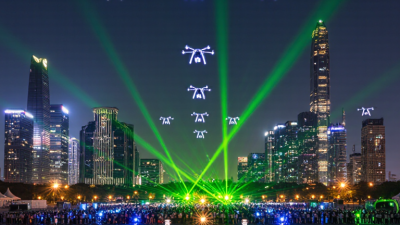
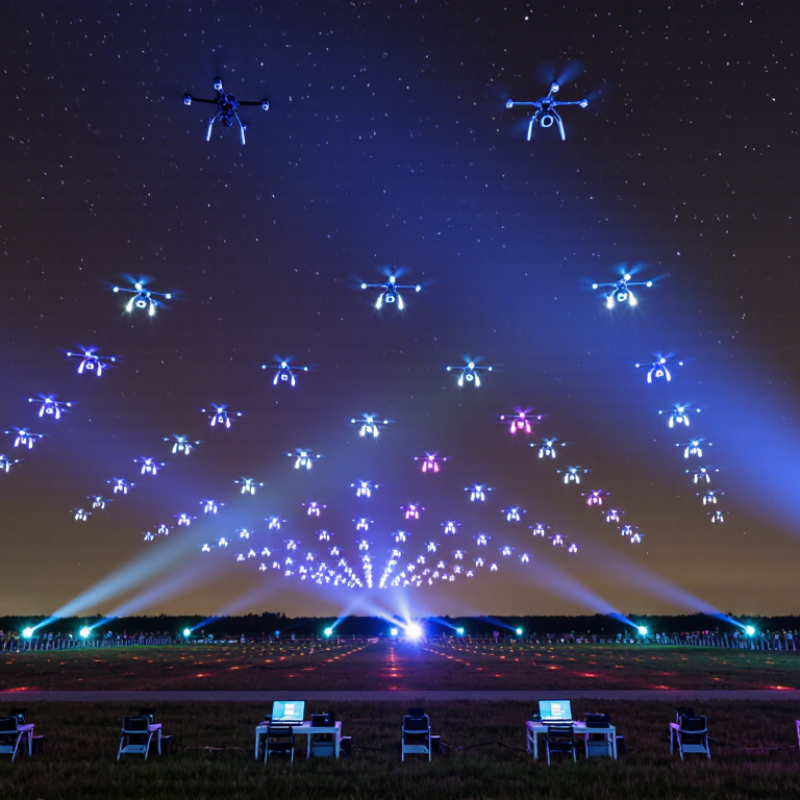
A light show drone is a small unmanned aircraft carrying bright, programmable LEDs. Hundreds of units fly as one coordinated system. Each drone follows a planned position, speed, color, and altitude. Ground control software sends timed instructions before and during the performance.

The process begins with a three-dimensional animation. Engineers convert each frame into flight paths and lighting commands. Satellite positioning, onboard sensors, and communication links help drones maintain formation. A typical show may create a moving wave, a rotating symbol, or a glowing animal above an audience. Drone Industry Insights reported strong growth in commercial drone services through 2024, while Grand View Research identified entertainment as an expanding application area. These reports support market demand, but they do not guarantee a successful show.

Tips: Ask about positioning accuracy, battery endurance, weather limits, and emergency landing procedures. Request evidence from previous outdoor performances. Test the animation at night, not only on a computer screen. Small timing errors can make a circle look uneven. Wind can also stretch a formation. The result is impressive, but never perfectly mechanical. Experienced teams keep backup units and adjust spacing during rehearsals. Better planning matters more than adding more drones.


Which Performance Goals Should the Drone System Meet?

Choosing the best light show drone begins with performance goals, not appearance. A professional system should define fleet size, flight duration, formation accuracy, brightness, and recovery speed. According to Drone Industry Insights’ 2024 Drone Market Report, commercial drone adoption continues expanding across entertainment and public events. That growth raises expectations for reliable, repeatable performances.

Set a measurable formation target. A practical system should hold position within a few meters, even when wind changes. It should also support synchronized launches, real-time monitoring, and automatic return procedures. The FAA’s 2024 UAS data reported more than 850,000 registered drones in the United States. This figure reflects a crowded operating environment, where trained crews and documented procedures matter. A beautiful animation is not enough.

Battery endurance needs honest testing. Published flight time can shrink under wind, cold temperatures, or heavy lighting loads. I would test the fleet through repeated rehearsals, not one perfect demonstration. That assumption is weak. The system should also provide spare units, clear fault alerts, geofencing, and weather limits. NIST research on unmanned aircraft emphasizes reliable positioning, communication, and operational risk control. Therefore, choose a platform that meets the show’s actual goals: precise shapes, safe spacing, consistent timing, fast replacement, and dependable performance under imperfect conditions.

2026 How to Choose the Best Light Show Drone?

Which Performance Goals Should the Drone System Meet?

The chart presents a practical 2026 planning benchmark for selecting a light show drone system. Safety controls, positioning accuracy, formation synchronization, visibility, flight endurance, wind tolerance, and fleet scalability are scored as target attainment percentages rather than manufacturer or brand ratings. A suitable system should perform consistently across all categories, not only achieve a high maximum drone count.

How to Compare Drone Design, Flight Control, and Safety Features?

How to Choose the Best Light Show Drone?

Drone design should support reliable formation flying, not just attractive specifications. Check weight, motor redundancy, battery locking, propeller protection, and weather resistance. A sealed frame helps during damp outdoor events, but it may increase weight and reduce endurance. That trade-off is easy to overlook.

The FAA Aerospace Forecast FY 2024–2044 projects the commercial small-UAS fleet could approach 828,000 aircraft by 2028. More aircraft mean stronger demands on maintenance and fleet management.

Flight control deserves closer testing. Look for multi-drone synchronization, stable GNSS positioning, real-time telemetry, and automatic return procedures.

A practical test should measure position drift, communication delay, and recovery after a temporary signal loss.

EASA’s Annual Safety Review 2024 repeatedly highlights human factors and loss of control as important aviation risks. Therefore, a good system needs clear alerts, geofencing, restricted-area controls, and a simple emergency stop. Fast is not always better.

Safety depends on both hardware and operators. Use layered controls: preflight diagnostics, battery health checks, altitude limits, and independent monitoring.

Ask for documented failure rates, maintenance intervals, and training records. I would not choose the brightest LEDs first. A slightly heavier drone with predictable braking may perform better near spectators.

My own comparison would still leave room for doubt, because wind, temperature, and radio congestion can change results quickly. Test under real conditions.

What Legal, Environmental, and Site Requirements Must Be Checked?

2026 How to Choose the Best Light Show Drone?

Choosing the best light show drone begins with compliance, not brightness or fleet size. Check local aviation rules, operating zones, pilot qualifications, insurance, and event permits. Requirements may differ between cities, regions, and protected areas. Confirm privacy rules before filming or flying near homes, roads, airports, or public gatherings. A written risk assessment should cover takeoff, landing, lost-link events, battery failures, and emergency procedures. Keep clear separation from spectators. Never rely on informal approval.

Choosing the best light show drone begins with compliance, not brightness or fleet size.

Environmental checks matter too. Avoid nesting seasons, wetlands, wildlife reserves, and dark-sky areas unless authorities approve the activity. Review noise, light spill, weather limits, and battery transport requirements. The site needs stable ground, reliable communications, safe access, and a defined emergency zone. I also inspect nearby trees, cables, towers, and reflective buildings. Small obstacles can create serious problems.

Tips:

Request current rules in writing. Use a site survey before booking equipment. Test communications at the actual venue. Keep flight records, maintenance logs, and pilot credentials available. Plan for wind and rain, even when the forecast looks favorable. A perfect checklist does not exist. Local conditions can still overturn a careful plan. That is why a conservative site choice is usually better than an impressive but uncertain location.

How to Evaluate Costs, Suppliers, Software, and Long-Term Support?

2026 How to Choose the Best Light Show Drone?
How to Evaluate Costs, Suppliers, Software, and Long-Term Support?

A light show drone is not just an aircraft with LEDs. It is a managed production system. The FAA’s 2024–2044 Aerospace Forecast recorded about 966,000 commercial small unmanned aircraft in 2023. More operators mean stricter expectations for reliability, documentation, and trained crews.

Build a total-cost sheet before comparing quotations. Include aircraft, batteries, charging equipment, transport cases, software licenses, insurance, training, repairs, and replacement units. Ask suppliers for battery-cycle data and average repair times. A low purchase price can hide expensive downtime. It happens. Request a live demonstration, not only edited footage. Check whether the supplier provides flight logs, pre-show inspections, spare parts, and clear warranty limits. Their technical staff should explain failures in plain English.

Software deserves careful testing. Look for formation simulation, collision checks, weather limits, telemetry, role-based access, and offline recovery procedures. Confirm whether exported show files remain usable if the contract ends. The European Union Aviation Safety Agency’s Annual Safety Review repeatedly emphasizes safety management, occurrence reporting, and operational competence across aviation. Those principles matter during entertainment events too. Ask for service-level targets, update schedules, cybersecurity controls, and support coverage during weekends. A five-year support promise means little without named response times. I would also test the system with a small rehearsal. Real conditions expose weak radios, confusing interfaces, and slow support faster than brochures do.