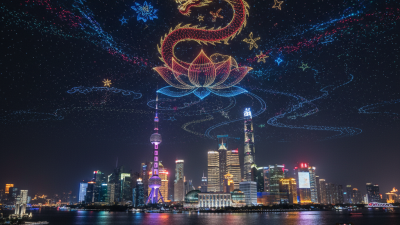
Why Choose Light Show Drones for Events?
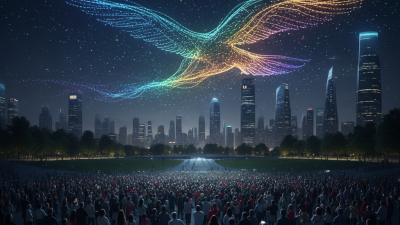
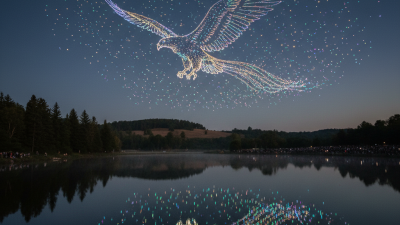
A Light Show Drone transforms an open sky into a programmable stage. Hundreds of coordinated aircraft can form logos, animals, numbers, and moving patterns above an audience. The effect feels spacious, modern, and highly visible. It also avoids the smoke, debris, and single-use explosive materials associated with many traditional fireworks displays.
Industry data supports this technology’s wider momentum. Grand View Research and MarketsandMarkets both report strong, double-digit growth across commercial drone markets. Their findings include expanding applications in entertainment, media, and public events. These reports do not measure every drone show directly. That limitation matters. Still, they indicate improving hardware, software, and professional adoption.
Anil Nanduri, former Vice President and General Manager of Intel’s Drone Group, described the creative potential clearly: “Drones are the pixels of the sky.” His statement explains why event producers value programmable movement. A show can mirror a brand story, a stadium screen, or a city landmark. Bright points can rise slowly, pause above the crowd, and reshape themselves within seconds.
The practical advantages are equally important. Reusable drones can support repeat performances, reduce setup waste, and offer precise timing. They require certified operators, approved flight plans, weather checks, and careful crowd separation. Results are not automatically perfect. Wind can shorten flight windows. Poor choreography can look mechanical. Strong production teams therefore combine engineering discipline with artistic judgment. A memorable show is not just technology in the sky. It is a carefully tested experience with a human heartbeat.
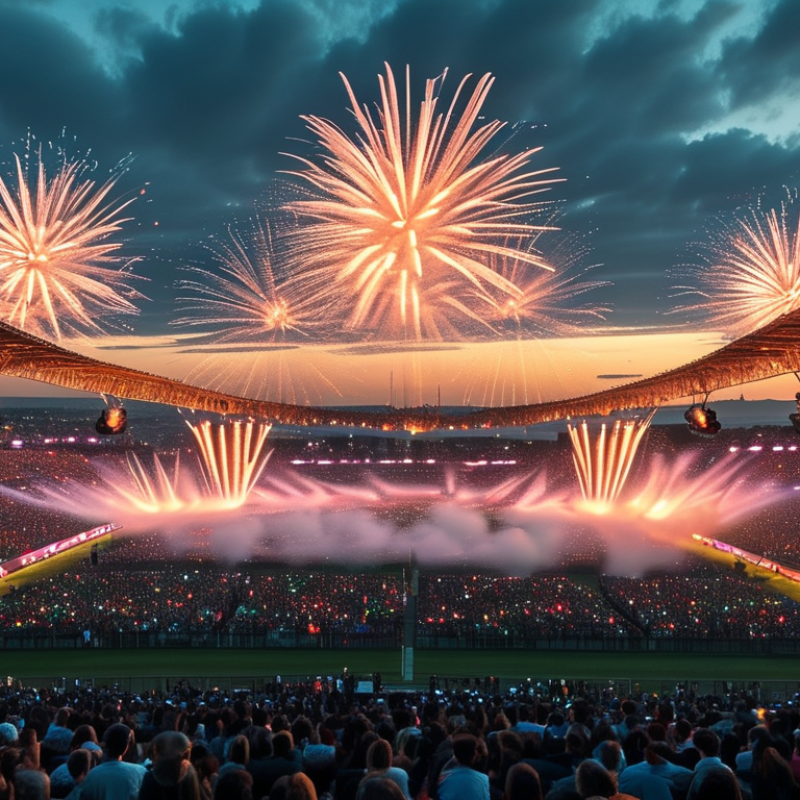
Light Show Drones for Events
Light show drones are small, unmanned aircraft equipped with bright, programmable LED lights. They fly in coordinated patterns to create moving images, words, and three-dimensional shapes above an event space. Unlike fireworks, they can repeat a designed sequence with precise timing and controlled brightness.
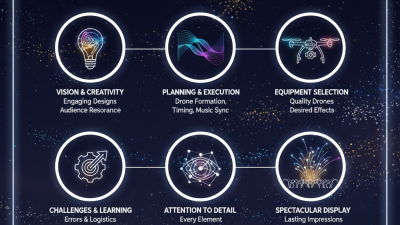
Each drone receives a flight plan created by specialized software. The system calculates position, speed, altitude, and spacing before takeoff. During the show, satellite positioning, onboard sensors, and real-time telemetry help maintain formation. A trained crew monitors the aircraft from a ground station. They can pause or end the performance if conditions change.
The preparation is more technical than it appears. Operators inspect batteries, propellers, communication links, and the planned flight zone. They also review local aviation requirements, venue boundaries, weather forecasts, and audience locations. Wind, rain, or signal interference can affect performance. That part is easy to underestimate. I have found that a beautiful animation may need fewer drones to remain stable in real conditions. Preflight testing also reveals awkward transitions that look smooth on a screen. Human supervision still matters, even when the choreography is highly automated. The final effect depends on careful planning, reliable equipment, and practical decisions made before the audience arrives.
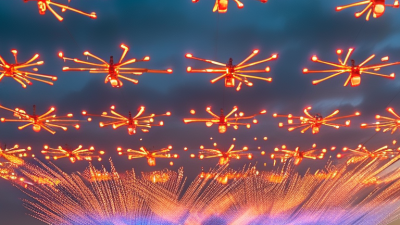
Drone light shows can adapt to many event formats because their stage is almost unlimited. They work above city squares, beaches, sports fields, and quiet hotel grounds. An operator can shape moving images, numbers, or local symbols in the night sky. This flexibility supports festivals, product launches, cultural celebrations, weddings, and public ceremonies. Grand View Research valued the global commercial drone market at about 30.6 billion U.S. dollars in 2022. Its 2023–2030 forecast also indicates strong annual growth. That expansion reflects improving flight control, positioning, and display technology.
The experience is highly visual. It can reach distant spectators without blocking views or building a large stage. A 2024 Eventbrite Social Study reported that many participants increasingly seek shared, in-person experiences. Drone shows can create that shared moment, especially when music and storytelling follow the flight sequence. They also produce less physical waste than traditional fireworks. However, the choice is not automatic. Weather, airspace restrictions, venue size, and audience sightlines require professional planning. A waterfront may create stunning reflections, but wind can quickly change the risk assessment. Some guests may still prefer fireworks. That feedback matters. Reliable teams use licensed pilots, approved procedures, rehearsals, and backup plans. The technology is impressive, but careful operations make the experience credible.
| Event Type | Typical Audience Size | Recommended Show Duration | Why It Is Suitable | Key Visual Opportunities | Venue Requirements | Planning Considerations | Suitability |
|---|---|---|---|---|---|---|---|
| City Festivals | 5,000–100,000+ attendees | 10–15 minutes | Drone formations can be viewed from a wide area and create a shared experience without large temporary structures. | City landmarks, civic symbols, event logos, seasonal imagery and synchronized color transitions. | Large open-air launch and viewing zones; controlled airspace; clear visibility above buildings and trees. | Coordinate with local authorities, public-safety teams, traffic management and crowd-control services. | ★★★★★ |
| Music Festivals and Concerts | 3,000–80,000+ attendees | 8–12 minutes | Animated aerial graphics can be synchronized with music, lighting cues and the event’s overall production design. | Artist-inspired patterns, moving waves, geometric forms, lyrics-related visuals and finale sequences. | Open sky above the audience; separation from stages, lighting rigs, pyrotechnics and other aircraft. | Require detailed coordination between the drone operator, show director, audio team and stage-production crew. | ★★★★★ |
| Sports Events | 5,000–70,000+ attendees | 6–10 minutes | Drone shows add a strong opening, halftime or closing moment while reinforcing team spirit and event identity. | Team colors, trophies, balls, player numbers, flags, mascots and championship messages. | Safe airspace around stadiums and training grounds; launch areas must be separated from spectators and players. | Check venue restrictions, broadcast-camera positions, floodlights, emergency procedures and match schedules. | ★★★★★ |
| Corporate Events | 100–10,000 attendees | 5–10 minutes | A coordinated aerial display can communicate milestones, values, product themes or a company message in a memorable way. | Abstract brand colors, numbers, timelines, product silhouettes and organizational messages. | Suitable outdoor space with a clear viewing direction and sufficient distance from buildings and guests. | Confirm message approval, confidentiality requirements, guest movement plans and the desired level of customization. | ★★★★☆ |
| Public Holidays and National Celebrations | 10,000–200,000+ attendees | 10–15 minutes | Drone formations can present flags, national colors and symbolic imagery with less smoke and noise than many traditional fireworks displays. | Flags, national symbols, historical scenes, greetings, stars and large-scale celebratory animations. | Large unobstructed airspace and carefully managed public viewing areas. | Obtain aviation permissions, public-event approvals, insurance documentation and emergency response coordination. | ★★★★★ |
| Weddings and Private Celebrations | 50–2,000 attendees | 4–8 minutes | Personalized aerial storytelling can create a distinctive emotional moment without requiring a permanent installation. | Names, initials, dates, hearts, rings, stars, floral shapes and personalized messages. | Private outdoor property or approved open space with safe separation from guests and nearby structures. | Consider weather, guest sightlines, photography positions, noise sensitivity and local flight restrictions. | ★★★★☆ |
| Product Launches | 200–10,000 attendees | 5–10 minutes | Aerial animation provides a dramatic reveal and can translate product features or concepts into large-scale visual storytelling. | Product outlines, rotating shapes, feature icons, countdowns and reveal animations. | Clear sky visibility, controlled audience areas and adequate distance from temporary structures. | Allow time for creative approvals, animation revisions, rehearsals and synchronization with the launch presentation. | ★★★★★ |
| Tourism and Destination Promotions | 1,000–50,000+ attendees | 8–12 minutes | Drone shows can highlight a destination’s landscape, culture and landmarks while encouraging visitors to share content online. | Local landmarks, natural scenery, cultural motifs, destination names and seasonal themes. | Open outdoor viewing area with a clear relationship between the audience, launch zone and featured location. | Protect sensitive wildlife areas, respect heritage-site rules and coordinate with local tourism and aviation authorities. | ★★★★★ |
| New Year and Seasonal Events | 10,000–150,000+ attendees | 8–15 minutes | Drone shows support countdowns and seasonal storytelling while offering reusable digital choreography and controlled visual effects. | Countdown numbers, clocks, fireworks-style patterns, snowflakes, greetings and seasonal characters. | Large open sky, strong crowd-management plans and clear separation from buildings and transport routes. | Demand is high during peak seasons, so permissions, venue booking and production planning should begin early. | ★★★★★ |
| Environmental and Educational Events | 500–20,000 attendees | 5–10 minutes | Animated formations can explain environmental themes and scientific concepts in a visual format accessible to large audiences. | Animals, ecosystems, planets, renewable-energy symbols, data-inspired graphics and conservation messages. | Open-air site with suitable viewing angles and restrictions that protect wildlife and sensitive habitats. | Use responsible flight planning, avoid sensitive ecological zones and coordinate with environmental authorities where required. | ★★★★☆ |
Audience sizes and show durations are typical planning ranges rather than fixed limits. Actual suitability depends on local aviation regulations, weather, venue layout, visibility, approved operating area, crowd-management procedures and the complexity of the animation.
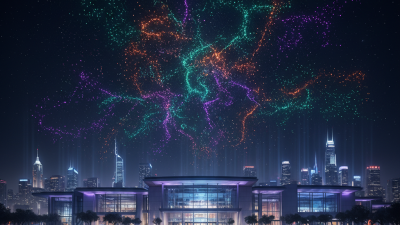
Event drones can turn open air into a moving canvas. Hundreds of aircraft may form a rising moon, a sailing ship, or a three-dimensional product shape. Each point of light changes position and color through programmed flight paths. The result feels larger than a screen because the image occupies real space above the audience. Research and Markets reported continued growth in the global drone services sector, driven partly by entertainment and visual production applications. Meanwhile, Freeman’s 2024 experiential marketing research found that many audiences value memorable, in-person brand experiences. These figures support a practical point: audiences increasingly expect moments they can feel, not simply watch.
Creative effects can also follow music, narration, or a live performance. Drones may create rippling waves, rotating spheres, falling stars, and coordinated color gradients. A scene can dissolve slowly, then rebuild above the venue. Short formations often work better than constant motion. Too much movement becomes visual noise. That is an easy mistake.
The strongest shows use clear storytelling. A constellation might become a compass, then a city skyline. Timing matters more than technical complexity. Event teams should test wind limits, brightness, viewing angles, and audience sightlines before production. Reports from the Federal Aviation Administration emphasize structured planning and operational safety for unmanned aircraft. Weather can still soften an image. A few formations may look imperfect. That imperfection deserves honest review, because impressive visuals need reliable execution.
Drone shows offer a programmable alternative to fireworks, projection systems, and large stage displays. Hundreds of illuminated aircraft can form logos, animals, moving patterns, or timed messages above an audience. The effect feels spacious because the performance uses the entire sky, not only one screen.
The difference is practical. Drones usually create less smoke, noise, and falling debris than fireworks. This can support events near hotels, museums, or residential areas, subject to local approval. They also allow repeated visual changes through software, while traditional displays may require new physical materials. However, drones need controlled airspace, trained operators, reliable launch zones, and careful crowd separation. Weather matters greatly. Strong wind, rain, or poor visibility can delay the performance.
Traditional displays still have advantages. Fireworks deliver physical impact, bright flashes, and familiar excitement. Projection mapping can transform a building without using open airspace. Stage lighting works in smaller venues and remains easier to adjust during a live program. Drone shows may also require a higher initial budget and significant planning time.
From event production experience, the strongest choice depends on the venue, audience, schedule, and message. A drone formation can look elegant above a quiet waterfront, but it may feel less powerful in bright city light. That limitation is easy to overlook. A responsible production plan includes technical rehearsals, emergency procedures, accessibility considerations, and permits from relevant authorities. The technology is impressive, but preparation creates the memorable moment.
Why Choose Light Show Drones for Events?
What Safety and Planning Factors Should Organizers Consider?
Light show drones can turn an open sky into a moving canvas, using coordinated lights instead of fireworks. They create memorable shapes while producing less smoke, noise, and ground debris. Yet visual appeal should never replace disciplined planning. A safe show begins with a qualified flight team, documented procedures, and a realistic site assessment.
Organizers should confirm local aviation permissions, insurance, weather limits, and emergency contacts before setting the schedule. The team should map launch zones, spectator areas, nearby buildings, trees, power lines, and alternative landing spaces. Keep spectators outside the approved safety boundary, with trained staff controlling access. Wind, rain, poor visibility, or weak communication should trigger postponement. It is tempting to continue. That decision can be costly. A rehearsal can expose GPS interference, timing errors, and unexpected sightline problems.
Tips: Choose a site with clear separation from people and obstacles. Request the operator’s safety plan, pilot qualifications, maintenance records, and experience with similar crowds. Assign one person as the final go/no-go decision-maker. Use clear radio channels and a written emergency response plan. Keep medical support informed. Afterward, record near misses and audience feedback. Small concerns often reveal larger planning gaps. Some plans look complete on paper. Field conditions disagree.
Key U.S. Part 107 operating thresholds that organizers should account for during site selection, airspace review, and safety planning.
The thresholds shown include the 400-foot maximum altitude for many small unmanned aircraft operations, at least 3 statute miles of visibility, remaining at least 500 feet below clouds, and maintaining 2,000 feet of horizontal cloud clearance. Event organizers should confirm local airspace restrictions, obtain required authorizations or waivers, establish crowd-exclusion zones, and prepare contingency plans before approving a drone show.