Leave Your Message
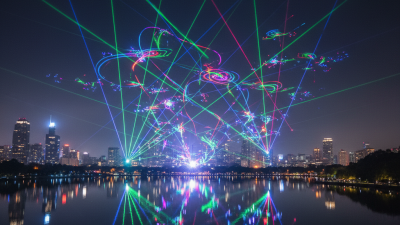
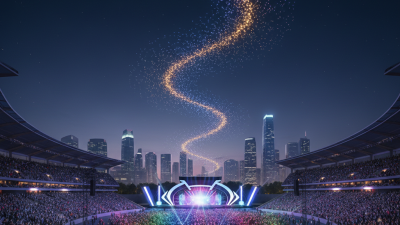
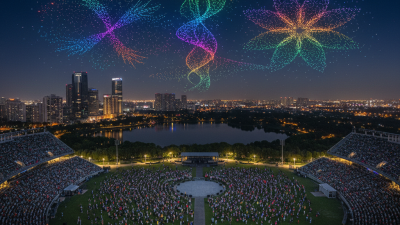
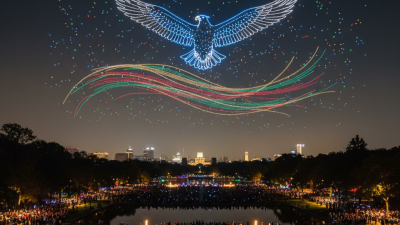
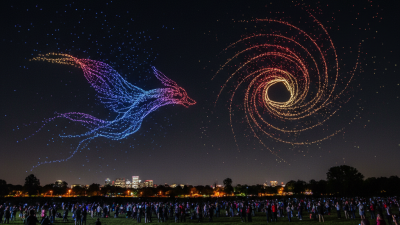
A Led Drone Light Show can turn an open sky into a moving stage. Hundreds of illuminated drones may form logos, animals, messages, or changing geometric patterns. Their coordinated movement creates a memorable experience without building large physical scenery. The effect often feels cinematic, yet it remains visible from wide viewing areas. The result feels alive.
Event planners choose this format for festivals, product launches, sporting ceremonies, weddings, and public celebrations. A carefully designed show can match music, brand colors, cultural themes, and key moments. Experienced production teams begin with the venue, audience size, airspace conditions, and local requirements. They also review weather forecasts and emergency procedures before approving the flight plan. These steps support safer and more reliable performances.
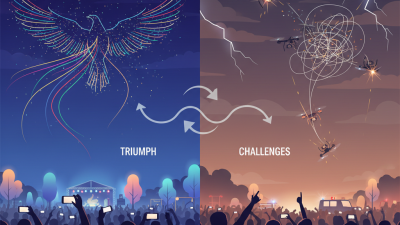
However, drone shows are not automatically the best choice. Strong wind, rain, restricted airspace, or limited viewing space can affect the result. Bright city lighting may also reduce visual contrast. Some audiences may prefer fireworks, projections, or live performers. That difference matters. A professional supplier should explain these limitations clearly, provide relevant operating credentials, and coordinate with venue officials and aviation authorities. Organizers should ask about rehearsal plans, insurance, equipment reliability, and cancellation policies. Those questions may feel inconvenient, but they protect the audience and the event budget. With realistic planning, technical expertise, and responsible operation, a Led Drone Light Show can deliver a precise, modern spectacle while respecting safety and local regulations.
Why Choose a LED Drone Light Show for Events?
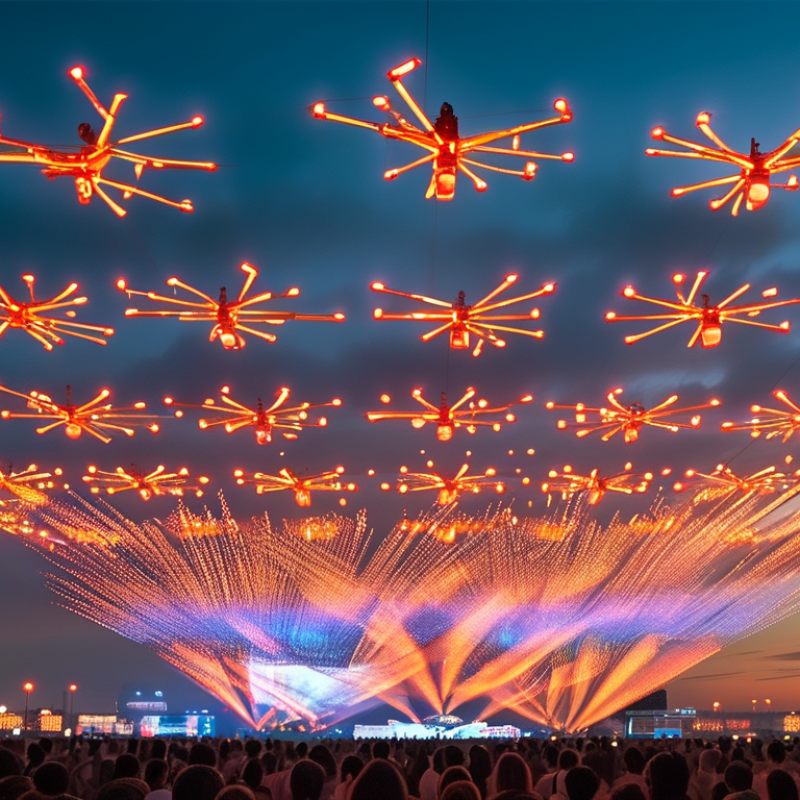
A LED drone light show uses a coordinated fleet of small unmanned aircraft carrying bright, programmable lights. Each drone follows a planned flight path, creating images, words, and moving patterns above an event space. The control system synchronizes position, color, speed, and timing through detailed three-dimensional choreography.
At night, hundreds of lights can form a rising sphere, a company message, or a moving wave. The shapes appear to float in the sky. They can change smoothly within seconds. Unlike traditional fireworks, the display produces no smoke, falling debris, or loud explosions. However, it still needs careful planning, trained operators, and approved flight conditions. Weather matters more than many organizers expect. Wind, rain, and poor visibility can affect performance.
Experienced production teams test every route before the event. They check launch zones, audience boundaries, emergency procedures, and local aviation requirements. A reliable show also includes battery checks, communication backups, and real-time monitoring. One small timing error can distort an image. That risk deserves honest attention. Drone shows are impressive, but they are not effortless. Their value comes from controlled technology, creative design, and disciplined preparation. The best results usually fit the venue, audience, and event message instead of simply filling the sky with random motion.
| Data Dimension | LED Drone Light Show | Traditional Fireworks | Event Value |
|---|---|---|---|
| What it is | A coordinated fleet of small unmanned aerial vehicles fitted with programmable LED lights. The drones fly pre-planned three-dimensional formations to create moving images, text, logos, and animations in the night sky. | Aerial pyrotechnic devices that produce light, color, sound, and visual effects through controlled combustion and explosions. | Provides a reusable, programmable, and digitally controlled alternative for visual storytelling. |
| Visual flexibility | Can display synchronized symbols, numbers, words, animated transitions, geometric patterns, and three-dimensional scenes. | Best suited to bursts, trails, shells, and short-lived abstract patterns. | Supports branded storytelling, product reveals, cultural themes, and scripted event narratives without displaying company-specific data in the comparison. |
| Programmability | Flight paths, colors, timing, spacing, and formations are designed in software and synchronized before the performance. | Effects are selected and sequenced, but the aerial shapes are less precisely controllable after ignition. | Allows precise synchronization with music, announcements, countdowns, and other show elements. |
| Typical show duration | Commonly planned in short programmed segments, often about 8–15 minutes, depending on battery capacity, fleet size, weather, and local operating requirements. | Often presented in shorter bursts or a continuous sequence lasting several minutes, depending on the event design and permit conditions. | A scripted duration helps organizers coordinate the finale, audience movement, music, and venue schedule. |
| Sound profile | The drones themselves generally create a low mechanical hum. Music and sound effects can be added separately through the event’s audio system. | Produces loud explosive reports, which may affect nearby residents, animals, and noise-sensitive audiences. | Offers greater control over the audience sound environment and can be suitable for events where reduced explosive noise is preferred. |
| Environmental considerations | Produces no combustion smoke during flight and does not create ash or spent pyrotechnic casings. Batteries, electronics, and damaged equipment still require responsible handling and recycling. | Creates smoke, particulate matter, noise, and physical debris. Chemical residues and litter may require post-event cleanup. | Can help reduce some event-related emissions and debris, although it is not impact-free. |
| Reusability | The aircraft and LED systems can generally be used for multiple performances when inspected, maintained, and operated within manufacturer and aviation requirements. | Pyrotechnic units are consumed during the performance and cannot be reused. | Reusable equipment may support recurring events and repeatable show formats. |
| Safety and regulation | Requires trained operators, an approved flight plan, safety zones, equipment checks, contingency procedures, and compliance with applicable aviation and event regulations. | Requires qualified pyrotechnic personnel, ignition controls, spectator separation distances, fire prevention measures, and relevant permits. | Professional planning and local approval are essential for both formats; requirements vary by location. |
| Weather sensitivity | Strong wind, heavy rain, lightning, poor visibility, and extreme temperatures can restrict or postpone operations. The permitted limits depend on the aircraft and local rules. | Wind, rain, lightning, visibility, and fire risk can also affect launch decisions and safety conditions. | A weather backup plan and a clearly communicated postponement policy should be included in the event schedule. |
| Audience experience | Creates a quiet, futuristic, animated sky display that can be viewed from a wide area when visibility and site conditions are suitable. | Creates bright flashes, rapid bursts, and strong sound effects that are familiar to many audiences. | The best choice depends on the desired mood, noise tolerance, venue setting, and event message. |
| Best suited for | Festivals, sports events, public celebrations, opening ceremonies, product launches, tourism events, weddings, and other occasions requiring programmable aerial storytelling. | Large outdoor celebrations where explosive sound, traditional spectacle, and established pyrotechnic formats are central to the program. | Choose according to the event’s creative goals, venue restrictions, audience needs, environmental priorities, budget, and local permissions. |
Note: Operating limits, flight permissions, fleet size, performance duration, and safety requirements vary by aircraft type, venue, weather conditions, and local regulations.