10 Tips for Sourcing a 3D Drone Light Show?
A 3D Drone Light Show can turn an open sky into a moving screen, but sourcing one requires more than colorful aircraft and a dramatic soundtrack. Each formation depends on flight hardware, animation software, trained operators, weather monitoring, and reliable local coordination. The FAA’s UAS by the Numbers report shows the expanding scale of commercial drone activity, while its safety guidance emphasizes airspace awareness, pilot responsibility, and operational planning. These details matter before any supplier promises a spectacular finale.
Market evidence also supports careful evaluation. Grand View Research’s Drone Market Size, Share & Trends Analysis Report identifies strong growth in commercial drone applications, driven by automation, imaging, and software integration. However, a light-show supplier is not automatically an entertainment specialist. Ask for verified flight records, system redundancy, battery-management procedures, insurance documentation, and recent client references. Demand a rehearsal plan. Watch the launch area.
A practical sourcing process should connect creative ambition with measurable performance. Review animation resolution, fleet size, brightness, viewing distance, music synchronization, setup time, and weather thresholds. Check whether the supplier owns the aircraft or subcontracts the operation. That distinction can affect accountability.
Some proposals may look perfect on paper.
They are not always perfect in the sky.
I have seen event concepts prioritize drone counts while overlooking audience sightlines, wind direction, and emergency access. That is a costly mistake. The following 10 tips for sourcing a 3D Drone Light Show focus on technical proof, supplier experience, safety discipline, transparent pricing, and the small operational details that protect the final experience.
Define the Purpose and Creative Scope of the 3D Drone Light Show
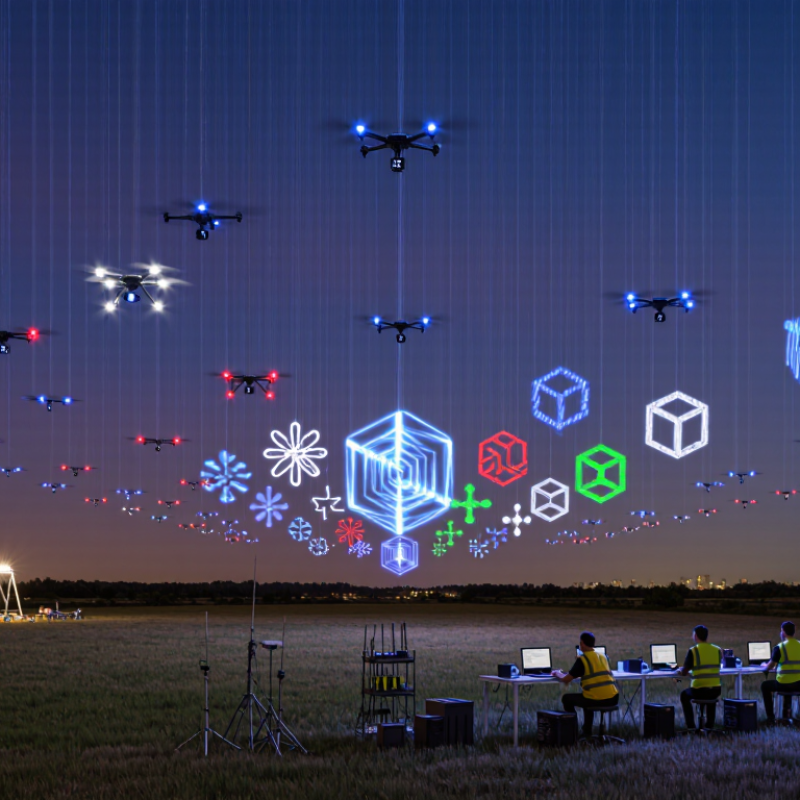
A 3D drone light show should begin with purpose, not software. Ask what the audience must feel, remember, or do afterward. Is the show celebrating a city, introducing a product, or marking a cultural event? Each goal changes the story, flight duration, music, and visual language. A launch may need clear symbols. A civic celebration may need slower transitions and stronger local meaning.
Venue details shape the creative scope. Record the performance area, viewing angles, nearby buildings, lighting conditions, and expected audience size. The United States Federal Aviation Administration reported more than 785,000 registered drones in 2024, including over 390,000 commercial drones. This growth makes airspace planning and operator qualifications essential. Treat the show as an aviation project with artistic output. Confirm permissions, weather limits, emergency procedures, and audience separation before approving visuals.
Keep the first concept achievable. A small fleet cannot convincingly perform dense, fast-moving 3D scenes. A simpler formation may look more powerful from the audience’s actual viewpoint. Test the opening image at full distance, not only on a laptop. It may fail. That is useful evidence. Industry forecasts also show expanding commercial drone activity through the next decade, according to the FAA Aerospace Forecast 2024–2044. Greater availability does not remove creative limits. Define the purpose, scale, emotional rhythm, and measurable outcome before requesting supplier proposals.
Assess Drone Show Providers, Technology, and Safety Credentials
Choosing a drone light show provider requires more than watching a bright rehearsal video. Ask who operates the aircraft, how often the team performs, and what happens when conditions change. Experienced crews should explain their planning process clearly, not hide behind impressive visuals.
Examine the technology in practical terms. Reliable systems usually include accurate positioning, geofencing, live fleet monitoring, and automatic return or landing functions. Ask about battery checks, signal loss, software updates, and weather limits. Request a sample flight plan with launch zones, audience boundaries, emergency routes, and recovery procedures. Small details matter.
Safety credentials deserve careful verification. Look for qualified remote pilots, documented training, public liability insurance, maintenance records, and approval from the relevant aviation authority. A provider should complete a site-specific risk assessment and coordinate with local emergency services when required. Ask for recent references and evidence of incident reporting. No provider is flawless. That matters. A defensive answer can reveal more than a polished sales pitch. I would also ask how the team handles a postponed show, because pressure often exposes weak procedures. One overlooked issue is audience movement. Good planning includes crowd changes, nearby structures, lighting interference, and clear communication between the flight director and ground crew. Judge the process, not only the spectacle.
Review Pricing, Logistics, Permits, and Venue Requirements
A credible quote should separate drone count, flight duration, crew, transport, insurance, and taxes. Ask whether rehearsals, programming, music synchronization, and standby weather dates are included. Request a written change-order policy before approving artwork. Compare total operating cost, not the lowest headline price. Very cheap bids often omit safety staffing or permit support. That omission matters. Confirm payment milestones and cancellation terms tied to weather.
Logistics begin with a site survey, not a sales call. Verify launch and recovery areas, charging power, road access, and secure equipment storage. Ask the operator to map spectator boundaries and emergency landing zones. Permits may involve aviation, municipal, fire, environmental, or event authorities. Requirements differ by location. Require evidence of applicable approvals, pilot qualifications, insurance, and documented risk assessments. Allow time for authority review. Last-minute applications can disrupt an otherwise ready event.
Your venue must provide accurate coordinates, obstacle heights, lighting details, and nearby airport information. Check whether buildings, trees, cables, water, or radio equipment affect the flight plan. Keep audiences outside the approved safety perimeter, with clear entrances and evacuation routes. Weather limits should be written, including wind, rain, visibility, and rescheduling decisions. One practical lesson: beautiful animations cannot fix a poor site plan. I would also budget for a second survey. It feels excessive, but overlooked details cost more later. Get every assumption in writing.
Finalize the Contract, Timeline, Rehearsals, and Performance Plan
A successful 3D drone light show begins with a precise contract, not a dazzling concept. Define the number of aircraft, flight duration, creative deliverables, weather limits, and approval responsibilities. Include payment stages, cancellation terms, insurance evidence, and a clear process for technical changes. Ask who controls the final safety decision. That question matters.
Build the timeline backward from the performance date. Allow time for script approval, animation, local aviation permissions, site surveys, and equipment checks. A responsible provider should explain operational limits in plain language. Request dated milestones, named contacts, and written acceptance criteria for every deliverable. I have seen schedules fail when revisions were treated as minor. They rarely are. Reserve buffer days for wind, rain, software issues, or delayed venue access.
Rehearsals should mirror the real site as closely as possible. Test launch zones, audience boundaries, emergency communication, music synchronization, brightness, and landing procedures. Run a small technical rehearsal before a full-scale practice. Record gaps and assign an owner to each correction. The performance plan should show timings, crew roles, contingency actions, and stop criteria. Do not rely on verbal promises. A signed plan protects both sides, although it may still need revision after the first rehearsal. That is not failure. It is useful evidence.
3D Drone Light Show Planning Timeline
This planning baseline shows estimated working days for the key stages of a typical 3D drone light show, from contract finalization through rehearsals and live performance. Actual timing depends on flight permissions, venue conditions, creative complexity, and weather.