Leave Your Message

Top 10 Drone Display Show Companies for Global Buyers

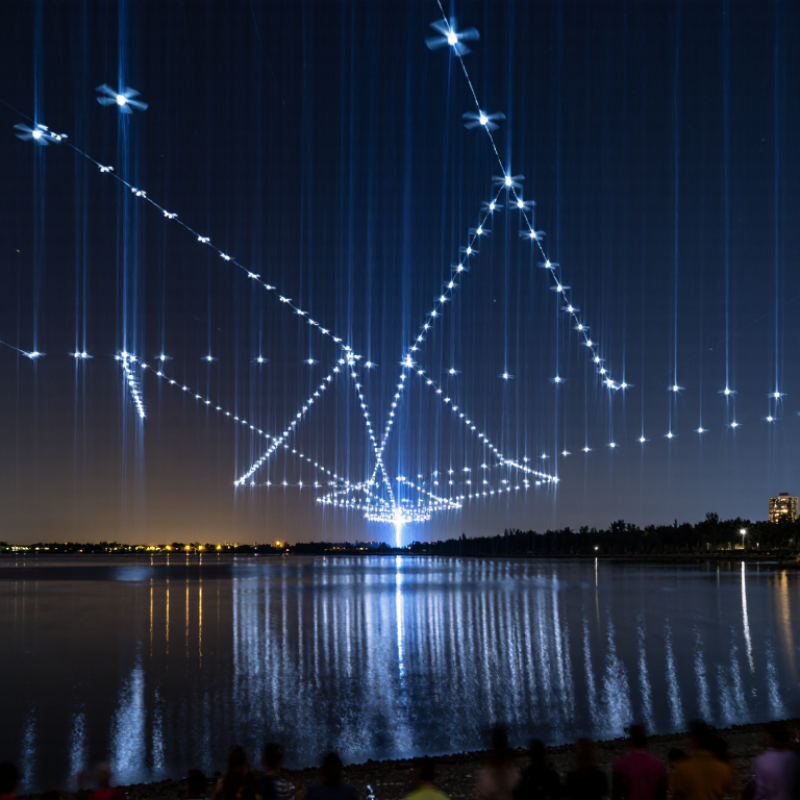
A Drone Display Show can turn a dark waterfront into a moving canvas: hundreds of lights forming crisp lettering above the water. Yet the spectacle depends on careful planning. Buyers need to assess more than striking videos. Fleet size, choreography, animation quality, technical support, weather planning, and experience with similar venues all matter. The strongest provider is not always the one with the largest fleet.

Anil Nanduri, an Intel executive associated with the company’s drone-light-show program, has discussed the technology’s potential. A concise editorial paraphrase—not a verified verbatim quotation—of that perspective is: “Technology earns its place when it serves the story.” That idea offers a useful lens for comparing global suppliers. Ask how each company turns a creative brief into a safe, reliable performance, and how it plans for site conditions, rehearsals, and audience sightlines.

This Top 10 guide is designed to help buyers make that comparison. It considers capabilities, service scope, international experience, and the details behind a polished show. A portfolio can look impressive. The production plan matters, too. No ranking is perfect; project needs differ, and public information can be incomplete. Use the list as a starting point, then confirm each provider’s current capabilities directly. A short call may reveal more than a highlight reel.
Top 10 Drone Display Show Companies for Global Buyers

Understanding Drone Display Shows and Their Global Applications

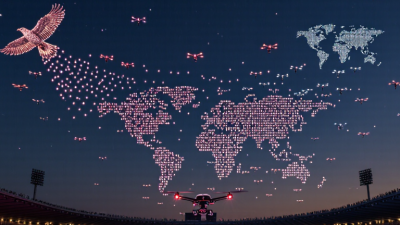
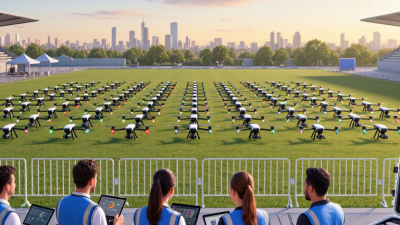
A drone display show uses multiple small aircraft carrying lights, flying coordinated routes to form moving images above a viewing area. Each aircraft follows programmed timing and position data, while operators monitor the performance and surrounding conditions. A scene might shift from a glowing wave to a map outline, with each point of light changing color in sequence. The result depends on careful choreography, not just the number of drones.

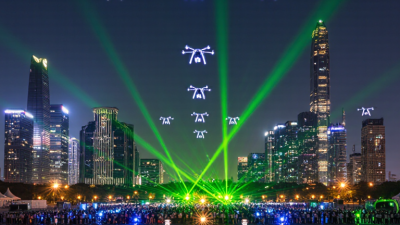
These shows can serve festivals, tourism campaigns, sporting events, and public celebrations in many regions. They offer a flexible visual format: a coastal venue can frame patterns against the dark sea, while an urban event may use a wide open plaza. Organizers should consider sightlines, audience size, cultural context, and whether the imagery is clear from different viewing angles. A design that looks impressive from one camera may appear less readable to people on the ground.

Reliable planning includes a site survey, rehearsal, weather checks, and coordination with trained operators and relevant local authorities. Wind, battery limits, signal conditions, and nearby obstacles can affect a performance, so contingency plans matter. Weather still wins. Drone displays may also produce less sound than fireworks, though they are not silent. Their environmental impact depends on transport, equipment use, and event practices; claims of being entirely impact-free deserve scrutiny. A precise show can still feel emotionally distant if its story is hard to understand.


How Drone Show Companies Plan and Deliver Performances

A drone display begins with the venue, not the animation. Planners measure the launch area, audience distance, nearby obstacles, and sightlines from key viewing points. They also review local aviation requirements and coordinate with relevant authorities before confirming a flight plan. Small details matter: a tree can hide part of a formation, while bright background lighting can weaken the effect.

Design teams turn a brief into a timed sequence of shapes, colors, and transitions. Each drone follows programmed coordinates, and simulation software helps reveal spacing problems before the aircraft reach the field. The team then checks battery capacity, communication links, backup procedures, and weather limits. Wind matters. A rehearsal can expose awkward transitions that look smooth on a screen.

On show day, trained crew inspect the aircraft, confirm the launch zone is clear, and monitor conditions before takeoff. A show may be delayed or changed if weather moves beyond the agreed limits. That can disappoint an audience, but forcing a flight is not sound planning. Even careful simulations cannot capture every real-world variable; that gap deserves honest attention in schedules, contracts, and client briefings.

Top 10 Drone Display Show Companies for Global Buyers - How Drone Show Companies Plan and Deliver Performances

No. Evaluation Dimension What Buyers Should Check How It Affects Planning and Delivery
1 Aviation approvals Ask who identifies applicable aviation rules, submits applications, and coordinates with the relevant authorities. Requirements vary by country, location, aircraft, and operation. Approval timelines and responsibilities should be confirmed early.
2 Site and airspace assessment Check for a documented site survey covering launch and recovery areas, obstacles, nearby airspace, and public access. The flight area, audience position, and ground layout inform the show design and operational safety plan.
3 Fleet scale and configuration Request the proposed aircraft count, spare capacity, aircraft specifications, and evidence that the fleet suits the site and show concept. Fleet size influences the visual design, staging footprint, launch sequence, and recovery logistics.
4 Show design and animation Review the process for converting a creative brief into formations, transitions, timing, and audience-facing visuals. The animation must be checked against the available aircraft, flight volume, viewing angles, and operational constraints.
5 Positioning and communications Ask how the system manages aircraft positioning, command links, interference risks, and loss-of-signal contingencies. A site-specific technical assessment helps establish suitable equipment placement and operating procedures.
6 Safety management Request the risk assessment, emergency procedures, crew roles, audience controls, and aircraft recovery plan. Safety measures should be tailored to the venue and integrated with event, venue, and local emergency plans.
7 Weather limits and go/no-go process Confirm the operating limits for wind, precipitation, visibility, and temperature, along with who makes the final decision. Limits depend on the aircraft and applicable procedures. A clear decision process supports safe postponement or cancellation.
8 Testing and rehearsal Check whether the provider conducts software validation, equipment checks, site rehearsals, or other tests appropriate to the operation. Testing helps identify timing, layout, and technical issues before the public performance.
9 Power, batteries, and logistics Review charging arrangements, battery handling, transport, customs planning where relevant, and the required ground-support area. Equipment movement and battery operations need to fit the venue schedule and applicable safety rules.
10 Insurance, documentation, and contingency Verify insurance requirements, permits, operating documents, cancellation terms, and backup plans in the contract. Responsibilities and contingencies should be agreed among the provider, buyer, venue, and relevant local parties before event day.

Top 10 Drone Display Show Companies for Global Buyers

Global buyers comparing the top ten drone display show companies should examine proven delivery, not fleet size alone. Ask for recent flight logs, rehearsal plans, weather limits, backup aircraft, and clear responsibility for permits and local coordination. Request references for events similar in scale and venue. A waterfront show, for example, needs different safety buffers from a performance over an open field. Small details matter.

Grand View Research estimated the global drone services market at about US$18.2 billion in 2024, with growth expected through 2030. This figure covers many services, not drone displays alone, so it is useful context rather than a show-market forecast. For buyers, the practical comparison is operational: aircraft count, launch time, animation capability, crew size, and contingency planning. Ask providers how they handle a failed unit mid-show. Get the answer in writing.

Price comparisons can mislead. A lower quote may exclude travel, rehearsals, or spare aircraft. Check whether the proposal states flight duration, audience capacity, and what happens if weather forces a delay. I would also look for independent safety documentation, though paperwork alone cannot prove a flawless performance. The least glamorous questions often reveal the most.

Comparing Company Capabilities, Safety, and Service Coverage

Top 10 Drone Display Show Companies for Global Buyers

Comparing providers takes more than counting aircraft. Ask how they design formations, control spacing, and adapt to wind or site limits. A capable team can explain its planning process in plain language and share relevant show experience. Request a site assessment, not just a highlight reel. A polished demo can hide practical gaps.

Safety needs specific answers. Ask about preflight checks, battery tracking, weather thresholds, backup procedures, and crew training. Confirm who coordinates with local authorities and what insurance applies. For international events, check service coverage carefully: Can the team provide local technicians, replacement parts, and support across your time zone? A large fleet matters less if equipment or expertise cannot reach the venue. Small details count.

Tips: Compare written safety plans and service commitments, not promises alone. Ask for a sample run sheet showing setup times, crew roles, and contingency steps. Check references from events with similar site conditions. One honest limitation is useful: no provider can remove every weather risk, and schedules may need adjustment. I would still want clearer evidence when answers sound too confident.

How Global Buyers Can Evaluate and Select a Provider

When comparing drone display providers, judge the operating plan as closely as the animation. Ask for a site-specific risk assessment showing launch and recovery zones, audience setbacks, emergency procedures, and weather limits. Request evidence of current pilot qualifications, suitable insurance, equipment maintenance records, and experience with venues of similar scale. A large fleet number alone says little about reliability.

Review the proposed show in practical detail. How many rehearsals are included? Who coordinates with venue staff and local authorities? What happens if wind, rain, radio interference, or a failed unit changes the plan? Ask for written go/no-go thresholds and a clear cancellation or rescheduling policy. Check that the quoted price covers transport, batteries, permits where required, rehearsals, and cleanup. Small omissions matter.

Look beyond the preview video. Request references from recent events, then ask about punctuality, communication, and how problems were handled. Confirm the provider can adapt flight paths to local rules, site geometry, and audience sightlines rather than reuse a standard layout. Review data handling if attendee images or tracking tools are involved. No checklist catches everything. Even an experienced team can misjudge gusts or crowd flow, so insist on a named decision-maker on show day and a realistic backup plan. A polished render is not the show.