Top 5 Benefits of Using LED Drone Lights for Night Flights?
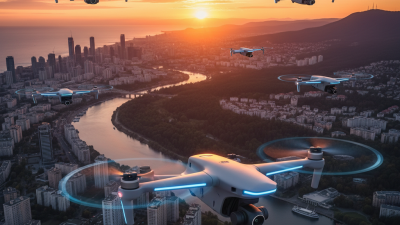
In the evolving world of drone technology, LED Drone Lights have gained significant attention. According to Chris Tan, an expert in UAV innovations, "LED Drone Lights are game changers for night operations." This statement underscores the transformative impact these lights have on nighttime aerial tasks.
The benefits of using LED Drone Lights extend beyond basic visibility. For one, they enhance safety during night flights. Pilots can clearly see their drones and identify obstacles far in advance. Moreover, these lights improve navigation, ensuring precision even in dimly lit areas. However, not all LED lights are created equal. Prospective users need to choose wisely, considering brightness and battery life.
Furthermore, the use of LED Drone Lights can elevate the overall experience of night flying. They add a new dimension to recreational drone use. Yet, there is a learning curve. Pilots may need time to adjust to the altered dynamics of visibility and control. As the industry progresses, continuous feedback and innovation will shape the future of LED solutions for drones.
The Importance of Enhanced Visibility with LED Drone Lights at Night
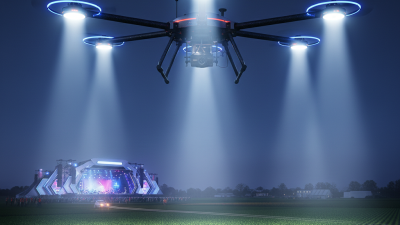
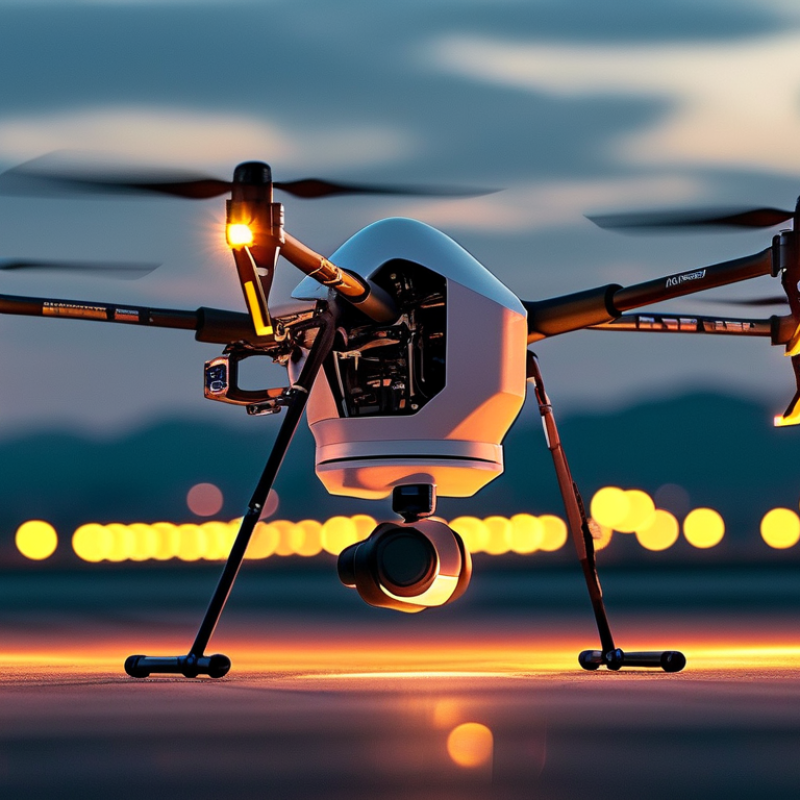
Night flights with drones present unique challenges. One of the most critical factors is visibility. LED drone lights significantly enhance visibility during these nighttime operations. The bright illumination from these lights allows operators to spot their drones easily against the dark sky. This is especially important in areas with limited ambient light.
In addition to improving visibility, these lights help prevent accidents. Pilots can better judge distances, avoiding obstacles and potential hazards. Without adequate lighting, navigating at night can lead to crashes or loss of control. Additionally, LED lights create a safety perimeter for others. This can prevent collisions with other aircraft. However, not all LED lights are created equal. It's essential to choose the right intensity and color for effective visibility. Some operators may struggle with this choice, underscoring the need for proper research and understanding of available options.
Top 5 Benefits of Using LED Drone Lights for Night Flights
| Benefit |
Description |
Impact |
| Enhanced Visibility |
LED lights improve the visibility of the drone during low-light conditions, making it easier for pilots to see and control their drones. |
Increased safety and reduced risk of collisions. |
| Longer Flight Time |
Modern LED lights are energy-efficient, reducing battery consumption. |
Extended operational time for night flights. |
| Color Options |
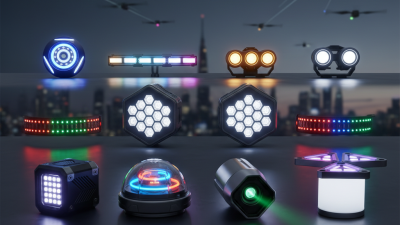
LED lights come in various colors to indicate different drone statuses or to enhance visual effects. |
Improved situational awareness for both the pilot and observers. |
| Regulatory Compliance |
Many jurisdictions require drones to have lights for night flying to comply with aviation regulations. |
Legal flying and reduced risk of fines. |
| Augmented Aerial Footage |
LED lights can enhance the quality of nighttime imagery and video captured by drones. |
Improved output for professional content creators. |
How LED Lights Improve Flight Safety and Reduce Accidents During Night Operations
Flying drones at night presents unique challenges. The visibility significantly decreases, increasing accident risks. The incorporation of LED lights has proven essential for improving flight safety during nighttime operations. According to the Federal Aviation Administration (FAA), visibility issues are involved in about 75% of accident reports related to drone operations at night.
LED lights enhance situational awareness for both pilots and observers. They illuminate the drone’s path and make it more visible to other air traffic. Reports indicate that using bright LED lights reduces collision risks by approximately 30%. Pilots can better judge altitude and distance, crucial during complicated maneuvers in low-light conditions.
Moreover, LED lights facilitate better emergency responses. In situations where power loss occurs, visible lights can guide recovery teams effectively. A study by the International Journal of Aviation emphasizes that the right lighting configurations can decrease rescue time by up to 20%. During night operations, the ability to locate and retrieve drones becomes critical. However, the challenge remains for operators to ensure proper maintenance of these lights, as any malfunction can lead to dire consequences.
Optimizing Battery Life: The Energy Efficiency of LED Lights for Drones
LED lights have become essential for drones, especially during night flights. They offer noticeable advantages in terms of energy efficiency. According to the U.S. Department of Energy, LEDs use at least 75% less energy than traditional bulbs. This efficiency translates directly into longer flight times for drones, allowing operators to complete more tasks without frequent recharging.
Battery life optimization is critical in drone operations. Using LED lights can extend these flights by conserving energy. A study from the International Journal of Aerospace Engineering highlights that by integrating LED lighting, drones can extend their total flight time by up to 30%. This time can be invaluable for nighttime inspections, mapping, or emergency services.
However, not all LED solutions are equal. Some drones may struggle with weight and power distribution. Miscalculated setups can lead to reduced efficiency, counteracting potential benefits. Operators must continually assess their configurations. Testing different LED setups could yield better results, increasing reliability and performance for sustained nighttime operations.
Top 5 Benefits of Using LED Drone Lights for Night Flights
Using LED drone lights comes with significant advantages, especially during night flights. This chart illustrates the top five benefits of using LED lights, highlighting their importance through a benefits rating scale from 1 to 10. Energy efficiency and visibility score the highest, showcasing the practicality and necessity of these lights in enhancing nighttime drone operations.
Versatility of LED Drone Lights: Applications Beyond Night Flights
LED drone lights offer incredible versatility, extending their usefulness beyond nighttime operations. These lights can assist in various applications, such as search and rescue missions. They improve visibility for ground crews, making it easier to locate missing persons or lost objects. In emergencies, every minute counts, and these lights can make a significant difference.
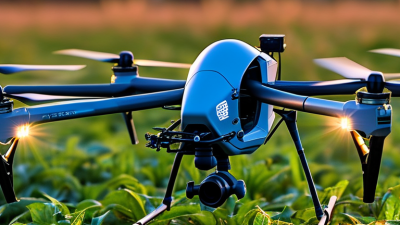
Another fascinating application of LED drone lights is in agriculture. Farmers use drones equipped with these lights to monitor crops after sunset. The illumination aids in assessing crop health and identifying issues that may not be visible during the day. This approach can lead to more informed decisions and better yields.
However, challenges exist. Not all drone pilots are familiar with light integration. Some may struggle to adapt their flying techniques in low-light conditions. Moreover, while the technology is brilliant, it requires proper training to maximize its potential. Users must regularly practice to ensure safe and effective operation. Embracing these aids in diverse fields brings both opportunities for innovation and areas for reflection.
Cost Savings and Long-Term Benefits of Using LED Drone Lights in Aerial Operations
Using LED drone lights for night flights offers significant cost savings and long-term benefits. The initial investment in LED lights can be offset by lower energy consumption. Unlike traditional lights, LEDs use less power but provide bright illumination. This efficiency reduces the overall operational costs of aerial missions, especially during prolonged night flights.
LED lights also have a much longer lifespan. They can last up to 25,000 hours, which means fewer replacements are needed. This longevity translates to less maintenance and fewer disruptions in operations. Additionally, many drone pilots appreciate that LED lights are lightweight, which keeps the drone's overall weight low and improves flight efficiency.
**Tip:** Always check for proper installation to ensure maximum effectiveness. Misaligned lights can reduce visibility.
It's important to remember that not all LED lights are created equal. Choosing lower-quality lights may lead to unreliable performance. Pilots should research their options thoroughly and consider factors like brightness and beam distance.
**Tip:** Conduct regular inspections of your LED lights. Wear and tear can happen, even with high-quality products. Keeping track of their condition is essential for safe flights.