Top Led Drone Light Trends for 2026 What You Need to Know?
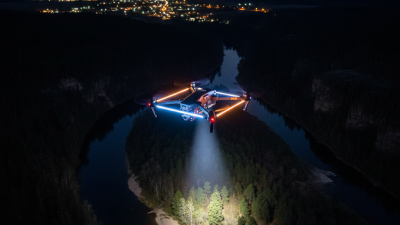
As we look ahead to 2026, the landscape of LED drone lights is set to undergo significant transformation. Market research reveals that the global drone light market is expected to grow at a CAGR of over 15% from 2023 to 2026. This surge highlights the increasing demand for efficient and innovative lighting solutions in drone technology. LED drone lights are at the forefront of this evolution, offering improved visibility and energy efficiency.
In various sectors, including agriculture and surveillance, LED drone lights provide more than just illumination. They enhance operational capabilities, enabling drones to perform critical tasks with precision. Data from industry reports indicates that nearly 70% of commercial drone users prioritize advanced lighting options for night operations. However, not all LED drone lights are created equal. The choice of lighting solutions can impact battery life and operational efficiency.
Adopting LED drone lights presents its challenges. Users often need to balance brightness with power consumption. Finding the right technology can be daunting, especially with rapidly changing trends. It's crucial for stakeholders to stay informed and adjust their strategies accordingly. Understanding these trends is essential for harnessing the benefits of LED drone lights in upcoming years.
The Evolution of LED Drone Lighting: A Look Ahead to 2026
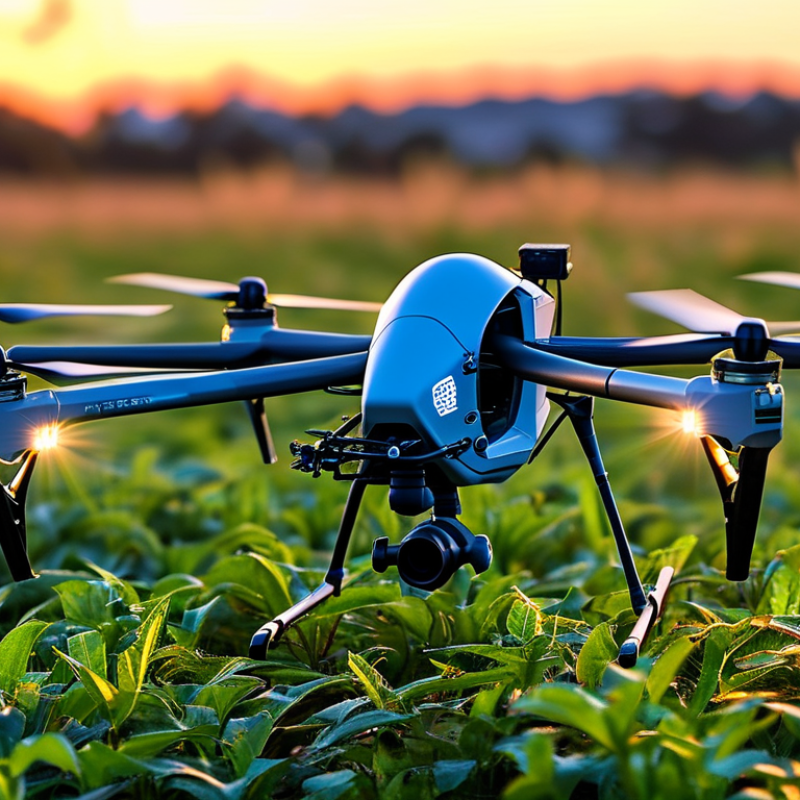
The evolution of LED drone lighting has significantly changed how we utilize drones. By 2026, we can expect innovations that enhance functionality and safety. The integration of lightweight materials and energy-efficient designs will dominate the market. These advancements promise better durability and longer flight times. New LED technology will also improve visibility in varying weather conditions. Expect brighter, yet more energy-efficient lights.
Tips: Look for drones with adjustable LED settings. Customizable lighting options will allow users to adapt to different environments. Always consider the power consumption versus brightness. This balance is essential for lengthy aerial tasks.
As we reflect on current limitations, many drones still face challenges with heat management. In 2026, better thermal solutions could be vital. Real progress will involve ensuring that these lights do not overheat during extended operations. Enhanced cooling systems paired with LED designs may become standard. The future of LED drone lighting looks promising, with continued improvements expected for aerial photography and safety.
Key Technologies Driving Drone Light Innovations
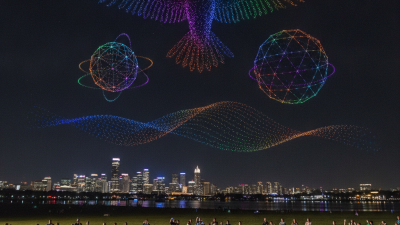
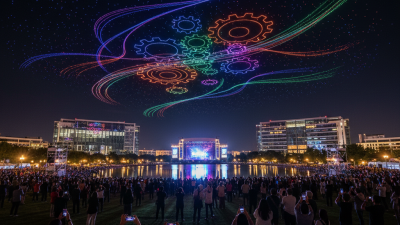
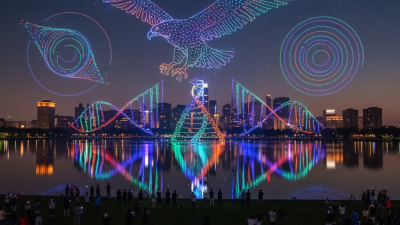
As we move into 2026, the integration of advanced technologies in drone lighting is notable. A recent report from the Drone Light Technology Association indicates that LED advancements account for over 75% of market innovations. These innovations enhance visibility, energy efficiency, and adaptability across various applications, from aerial shows to search and rescue operations.
Light-weight materials enhance drone stability while lowering power consumption. This is critical, particularly for long-duration flights. Advanced light distribution techniques, including lens optimization, improve illumination across a broader area. Data from the Global Drone Market Report shows that consumers value drones with longer battery life and stronger light output. Yet, as we explore new design paradigms, challenges therefore persist—balancing weight and performance remains a critical focus.
Moreover, regulatory standards require compliance with safety guidelines. Data suggests that about 30% of drone users encounter compliance issues, underscoring the ongoing need for education in the industry. Emerging technologies like smart light systems allow operators to customize light patterns. This adaptability is promising, yet it requires careful consideration of public safety and privacy concerns.
Popular Applications of LED Drones in Various Industries
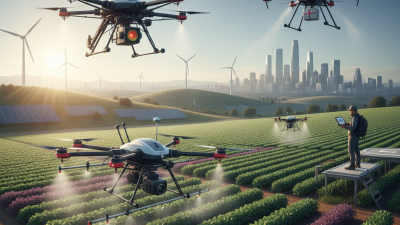
The use of LED drones is expanding rapidly across multiple industries. These drones, equipped with advanced lighting technology, are becoming more popular for various applications including agriculture, surveillance, and event management. In agriculture, LED drones enhance precision farming by providing real-time data on crop health through light spectrum analysis. According to a report by Markets and Markets, the agricultural drone market is projected to reach $6.5 billion by 2026.
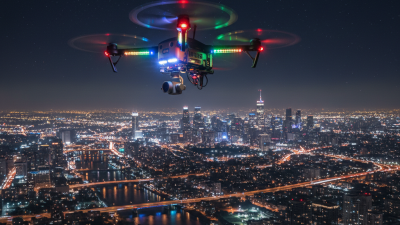
Surveillance is another key application. LED drones can illuminate large areas for security analysis, making them invaluable for law enforcement. Their ability to operate at night, combined with specialized lights, allows for better visibility and coverage. A study indicated that the demand for drone-assisted surveillance is set to grow significantly, creating new opportunities across urban safety and infrastructure inspection sectors.
Tips: When using LED drones, consider the weather conditions. Bright lights can be affected by fog or heavy rain. Ensure your drone meets local regulations, especially for nighttime operations. Be mindful of battery life; high-intensity lights can drain power quickly. Always test your equipment before flights to avoid surprises.
Environmental Considerations in LED Drone Light Design
Designing LED drones with environmental considerations is becoming essential. Sustainable materials and energy-efficient designs are critical aspects. These innovations reduce the ecological footprint of drone technology. Furthermore, proper disposal methods for used components enhance sustainability. Renewable energy sources are also gaining traction. Solar panels could power drones, ensuring minimal environmental impact.
Tips: When considering new drone designs, focus on materials that are recyclable. Think about the full lifecycle of your product. Aim for energy efficiency to minimize resource use.
Regulatory compliance plays a major role in the design process. Many regions enforce strict guidelines on electronic waste disposal. Non-compliant products can lead to significant penalties. Therefore, understanding these regulations is vital before initiating design projects. Adopting an environmentally-friendly approach can not only meet regulations but also attract environmentally-conscious consumers.
Tips: Stay updated on local regulations regarding drone manufacturing. Collaborate with environmental experts to enhance your design process. Reflect on how your design impacts nature.
Top LED Drone Light Trends for 2026
This chart illustrates the projected growth in various LED drone light features from 2023 to 2026. The data highlights trends focusing on energy efficiency, brightness levels, and environmental sustainability factors.
Future Trends: Enhancements in Efficiency and Functionality
As we look towards 2026, LED drone lights are expected to undergo significant enhancements. The focus will be on energy efficiency and functionality. Drones will utilize advanced LED technology to reduce power consumption. This shift will lead to longer flight times, making them more reliable for various applications.
Tips: Consider how these advancements can impact your projects. Choose lights with adjustable brightness and customizable patterns. Such features will enhance visibility without compromising battery life.
Functionality is crucial. Future drone lights will integrate smart technology. This means lights will communicate with drones for optimal performance. Imagine drones responding to weather conditions, adjusting brightness automatically. This innovation can improve safety and usability in various environments.
Remember, while these trends are promising, challenges remain. Ensuring reliability and affordability will be key. Keeping an eye on developments in materials and technology can provide insights into future capabilities. As these trends evolve, staying informed will be essential for anyone involved in drone operations.