What Are the Benefits of a Drone Led Light Show?
The rise of the Drone Led Light Show industry is reshaping entertainment landscapes globally. Market research indicates the industry's value could reach $2 billion by 2025. This growth is propelled by the demand for innovative experiences. Event planners increasingly embrace this technology for a stunning visual appeal.
Expert Simon Brooks, a leading figure in drone technology, states, "A well-crafted Drone Led Light Show can leave audiences breathless." His insight highlights the profound impact such shows have on spectators. They're capable of creating intricate patterns that traditional fireworks cannot achieve. The possibility of customization in design enhances engagement.
Despite these advantages, challenges exist. Safety regulations and technical malfunctions are critical concerns. A Drone Led Light Show requires meticulous planning to ensure safe operations. As the industry evolves, these elements will need ongoing attention to maintain trust and reliability. Future success lies in addressing these issues while delivering jaw-dropping performances.
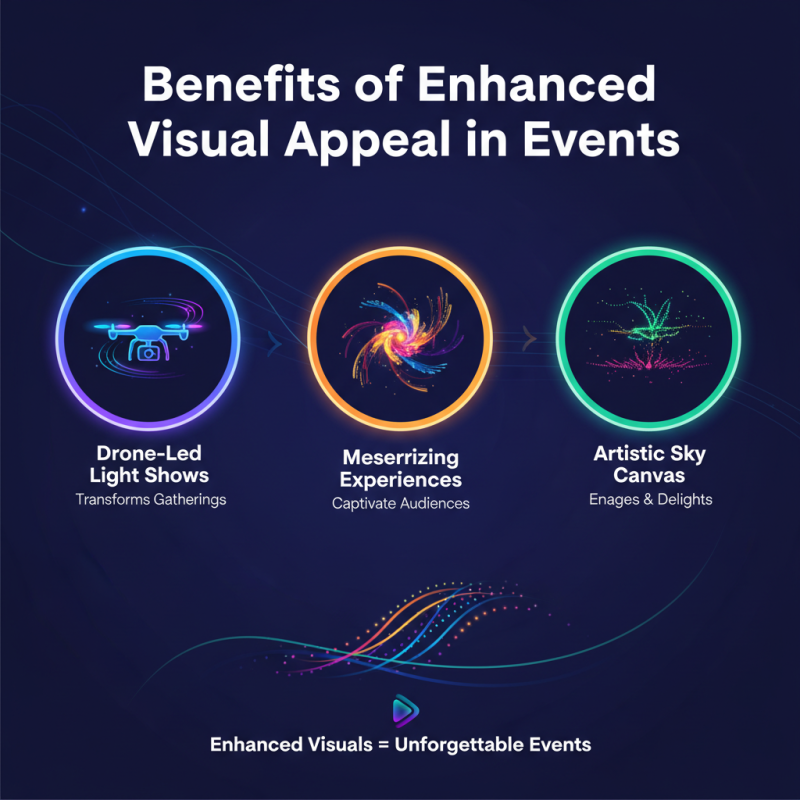
Benefits of Enhanced Visual Appeal in Events
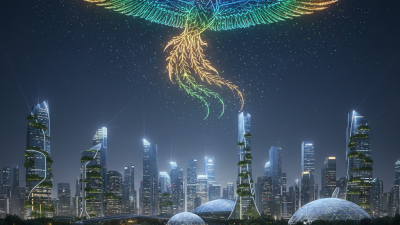
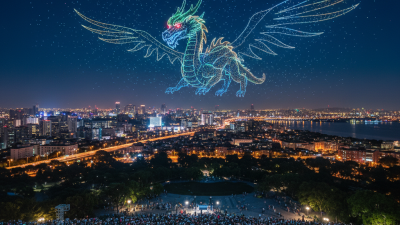
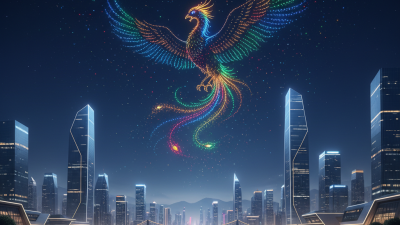
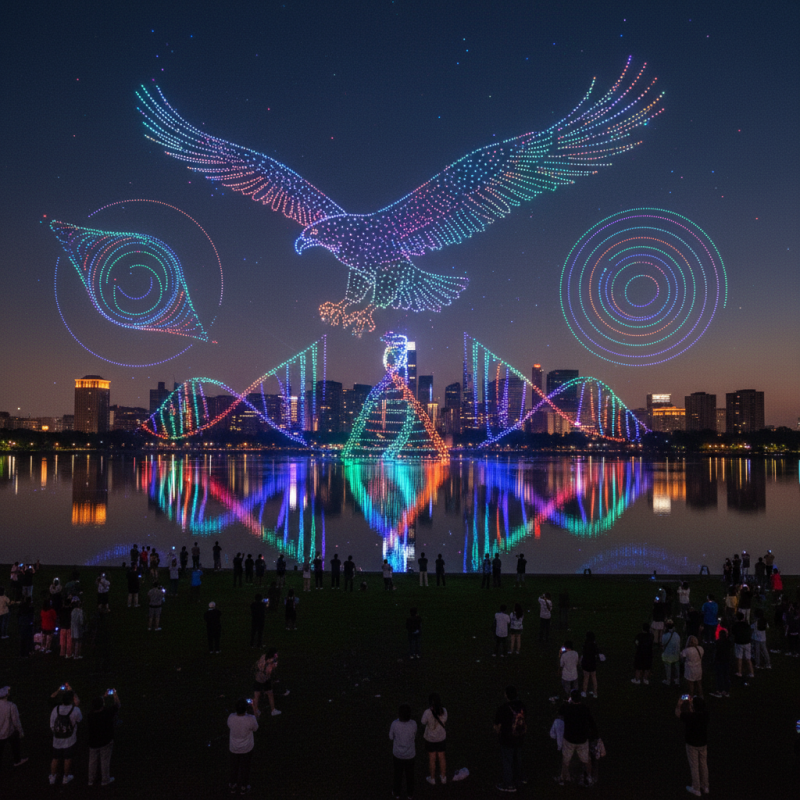
The visual appeal of events is crucial. A drone-led light show transforms ordinary gatherings into mesmerizing experiences. With colorful displays and synchronized movements, drones capture attention. The skies turn into a canvas, displaying art that engages audiences.
Such shows create lasting memories. Imagine guests gazing upward, awestruck by dynamic patterns and shapes. This captivating effect fosters connection among attendees. They share the wonder and excitement, enhancing the overall atmosphere. Yet, there’s a downside. Not every location is suitable for drone shows. Local regulations and weather conditions can hinder planning.
Another aspect is the cost. While impressive, drone shows might stretch budgets. Event planners need to balance expenses with the desired impact. A spectacular display might be worth it, but it's essential to reflect on the investment. Ultimately, the enhanced visual appeal of drone shows can elevate an event, but careful consideration is necessary.
Environmental Advantages Over Traditional Fireworks
Drones are revolutionizing light shows, offering significant environmental benefits compared to traditional fireworks. Fireworks produce air pollution and contribute to noise pollution, impacting both wildlife and human health. A notable report by the American Lung Association highlights that fireworks release harmful chemicals into the air, causing respiratory issues. In contrast, drone light shows utilize LED technology, which is energy-efficient and minimizes emissions. Research indicates that a drone performance uses up to 80% less energy than a typical fireworks display.
Though drone shows present clear advantages, issues like battery disposal must be addressed. The technology relies on lithium batteries, which can be harmful if not recycled properly. The industry needs to prioritize sustainable practices to mitigate these concerns. While drones reduce environmental impact, we must also consider airspace regulations. Compliance with safety standards is vital to ensure safe and effective performances.
For those interested in hosting a drone light show, here are a couple of tips: consider the location to minimize environmental disruption, and collaborate with drone operators skilled in sustainable practices. Engaging local communities can foster support for this innovative alternative. As the technology evolves, it is crucial to remain vigilant about its ecological footprint.
What Are the Benefits of a Drone Led Light Show? - Environmental Advantages Over Traditional Fireworks
| Dimension |
Drone Light Show |
Traditional Fireworks |
| Environmental Impact |
Low emissions, no pollution |
High emissions, contributes to air and noise pollution |
| Safety |
No risk of fire hazards |
Potential for accidents, fires, and injuries |
| Duration of Display |
Flexible durations; can be tailored to events |
Typically lasts a few minutes |
| Customization |
Highly customizable light patterns and colors |
Limited by types of fireworks used |
| Cost |
Varies depending on the show size and duration |
Generally more expensive due to material and labor costs |
| Community Engagement |
Promotes technology appreciation and innovation |
Traditionally viewed as community celebration but limited interaction |
Improved Safety Features of Drone Light Displays
Drone light displays are transforming entertainment with improved safety features. Unlike traditional fireworks, these shows utilize coordinated fleets of drones, significantly reducing fire hazards. The National Fire Protection Association reports that fireworks caused over 19,500 fires in a single year. Drones, however, operate at a safe altitude and are less likely to cause property damage.
With the implementation of advanced navigation systems, drones can avoid obstacles with precision. A study from the Federal Aviation Administration indicates that drone accidents have decreased by 30% due to enhanced situational awareness. The drones used in light shows are equipped with GPS and sensors, ensuring they maintain safe distances from people and structures. This technology grants organizers peace of mind while they focus on creating stunning visuals.
However, challenges remain. Potential interference from weather conditions can affect drone navigation. Organizers must remain vigilant and adapt quickly to changing conditions. Furthermore, while drone light shows improve safety, the learning curve for operators can pose risks if not managed properly. The integration of trained personnel is crucial for mitigating these concerns, ensuring that the spectacular displays are both mesmerizing and secure.
Customization and Flexibility in Performance Design
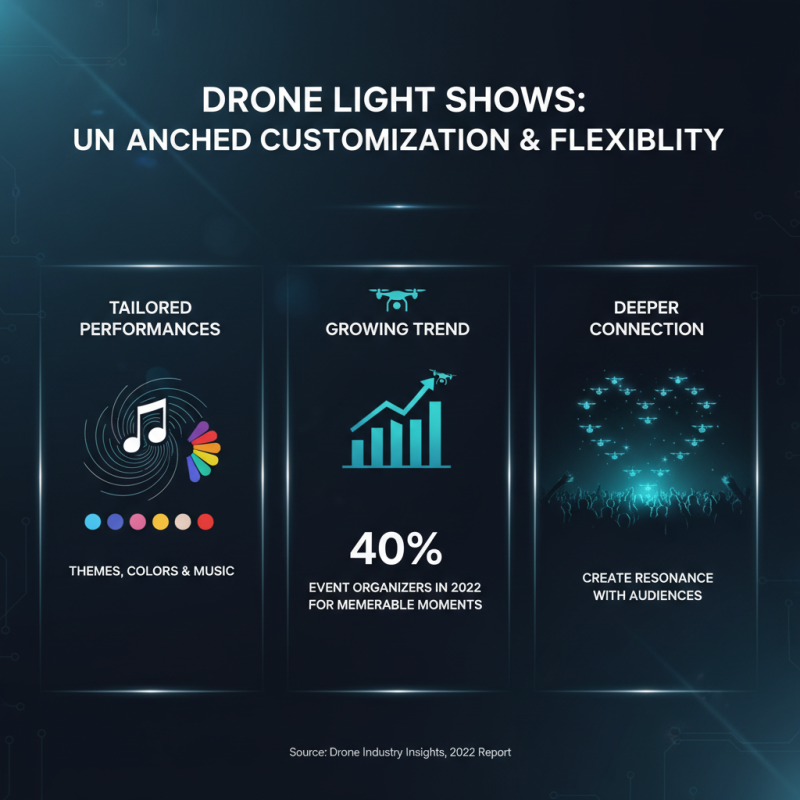
Drone-led light shows have gained immense popularity due to their unique customization options. Event planners can tailor these performances to fit specific themes, colors, and music. According to a report from the Drone Industry Insights, 40% of event organizers opted for drone shows in 2022 to create memorable moments. This flexibility allows for designs that resonate deeply with audiences.
Moreover, the dynamic nature of drone light shows enables seamless integration with various media. For instance, drones can be programmed to align with live performances, enhancing visual storytelling. A recent study by the International Association of Amusement Parks and Attractions highlighted that immersive experiences increase audience engagement by nearly 70%. This shows that creativity in performance design can significantly impact audience satisfaction.
However, challenges remain in achieving the desired synchronization and technical reliability. Weather conditions and drone battery life may affect performance quality. Event organizers have reported that these factors can lead to uncertainties. Balancing creativity with practicality is crucial for success. Drones offer limitless possibilities, but they require precise planning and execution.
Cost-Effectiveness and Logistical Efficiency of Drone Shows
The cost-effectiveness of drone-led light shows makes them an attractive option for various events. A report from the Drone Industry Association indicates that drone shows can be 30-50% cheaper than traditional fireworks displays. Fireworks often require extensive permits and safety protocols, while drone shows streamline many of these logistical aspects. They can be coordinated remotely, allowing for quick setup and deployment.
Logistical efficiency stands out as a significant benefit. Drone shows can be tailored to various venues, including urban areas where traditional fireworks may be prohibited. According to a study by the International Event Industry, drone displays can also minimize environmental impact. They produce no harmful residues, making them a greener alternative. This aspect is increasingly important, as 70% of event organizers now prioritize sustainability in their planning.
Despite these advantages, there are challenges to consider. A reliance on technology means that any malfunctions can disrupt a carefully curated show. Additionally, adverse weather can impact drone performance. Reflecting on these factors is crucial for organizers who want to ensure a flawless presentation. Balancing innovation with these logistical realities is key to the success of drone-led light shows.
Benefits of a Drone Led Light Show