Why Choose Led Drone Light for Your Next Aerial Project?
In recent years, the use of LED Drone Lights has revolutionized aerial projects, enhancing visibility and safety. According to a report by Grand View Research, the global drone lighting market is projected to grow by over 15% annually. This trend underscores the rising adoption of advanced lighting solutions in various industries, including surveillance, agriculture, and entertainment.
LED Drone Lights provide unparalleled illumination that can adapt to diverse environments. Whether for nighttime photography or search and rescue missions, the brightness and clarity of LED lights are critical. Additionally, they consume less power and have a longer lifespan compared to traditional lighting options, making them a smart choice for aerial applications. The efficiency of LED technology translates to longer flight times, allowing operators to maximize their operational capabilities.
However, the implementation of LED Drone Lights is not without its challenges. Users must consider factors like weight, power requirements, and compatibility with existing drone models. Each project is unique, and careful planning is essential to ensure successful outcomes. By addressing these considerations, stakeholders can leverage LED Drone Lights to achieve remarkable results in their aerial ventures.
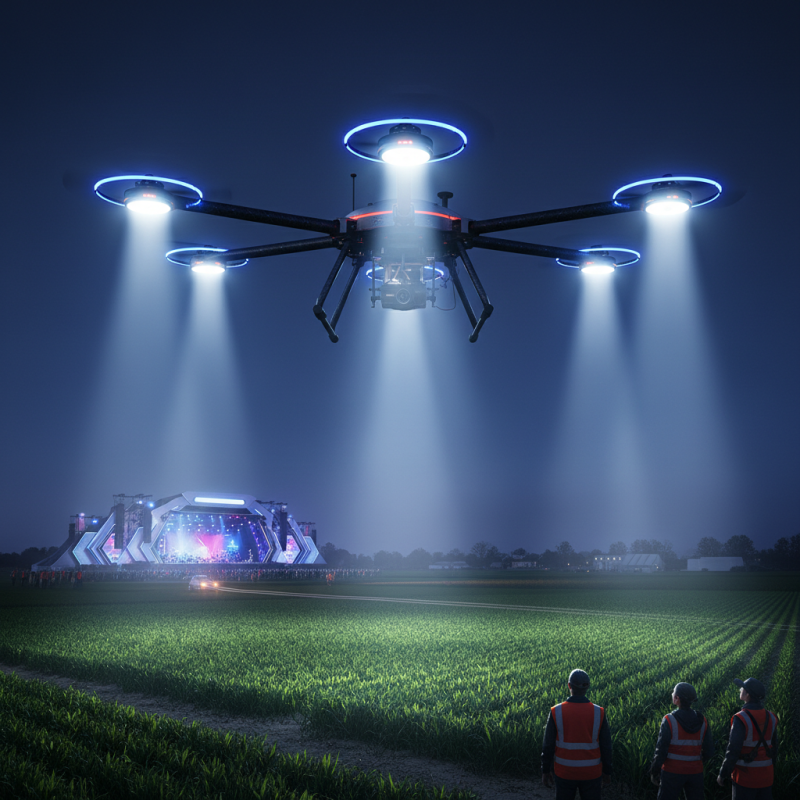
Benefits of Using LED Lights in Drone Technology
In recent years, LED lights have transformed drone technology, offering a range of benefits for aerial projects. First, their energy efficiency is a game-changer. Drones equipped with LED lights can operate longer, extending flight time significantly. This durability allows for more ambitious projects and greater coverage for aerial photography.
Moreover, LED lights provide superior brightness and clarity during low-light conditions. This is crucial for nighttime operations or when visibility is compromised. Enhanced visibility not only improves safety but also allows for precise maneuvering and better footage. Additionally, the low heat emission of LEDs minimizes the risk of overheating, promoting the longevity of drone components.
While there are many advantages, it's important to acknowledge some challenges. Not all LED configurations are suitable for every task. Sometimes the brightness may be too harsh for certain filming environments, leading to unwanted glare. Users must also evaluate the weight added by LED systems, as this can impact overall drone performance. Being mindful of these factors can lead to better outcomes in aerial projects.
Comparison of LED Lights Versus Traditional Lighting Options
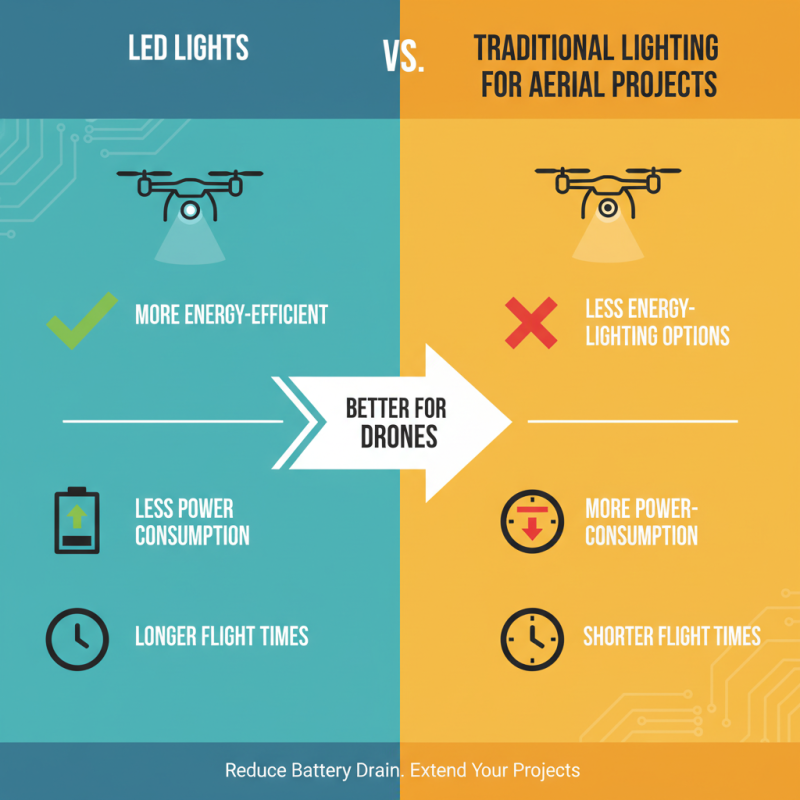
When evaluating lighting options for your aerial projects, LED lights stand out for several reasons. Unlike traditional lights, LED technology is more energy-efficient. It consumes less power, which can significantly reduce battery drain in drones. This efficiency translates to longer flight times. Many users appreciate this benefit when working on extended projects.
Traditional lighting often uses halogen or incandescent bulbs. These types can generate excessive heat, making them less suitable for aerial use. In contrast, LED lights remain cool even after prolonged use. This feature not only enhances safety but also extends the life of the lighting solution. However, the initial cost of LED lights may be higher. Yet, considering longevity and efficiency, they often prove to be a better investment over time.
Despite their advantages, some may find it challenging to find high-quality LED lights that suit their needs. Not all products deliver the promised brightness or clarity. It's essential to research and choose wisely. User reviews can be a valuable resource. Evaluating feedback helps in making informed decisions. This research process may take time, but it ultimately leads to better results in your aerial projects.
Applications of LED Drone Lights in Aerial Photography and Videography
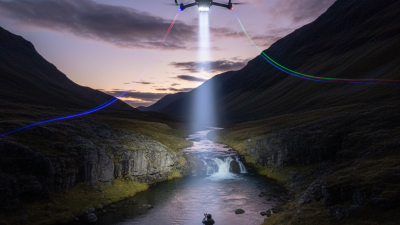
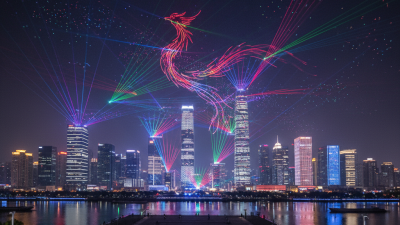
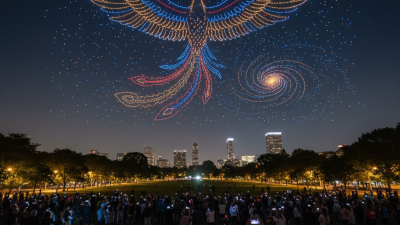
LED drone lights have transformed aerial photography and videography. They enhance visibility, allowing for stunning shots in low-light conditions. By illuminating landscapes, subjects come alive, creating vivid imagery that captivates viewers. Drones with software-controlled LED lights can adjust brightness and color, providing versatility for different settings.
These lights are ideal for various applications. Filmmakers use them during sunset and night scenes, ensuring every detail is captured. Event coverage, such as weddings and concerts, benefits from LED lights as they add a professional touch. However, incorrect use can lead to overexposed images. Practicing with different settings is crucial for achieving the desired effect.
Moreover, LED drone lights help in search and rescue missions. They guide teams to locate missing individuals in dark areas. Though effective, operators must ensure lights do not distract from the mission. Balancing visibility and focus is a challenge that requires skill. The evolving use of LED drone lights continues to inspire creativity while demanding careful consideration.
Applications of LED Drone Lights in Aerial Photography and Videography
Environmental Impact of LED Lights in Aerial Projects
LED lights are revolutionizing aerial projects. Their lower energy consumption significantly reduces the carbon footprint associated with such activities. A traditional lighting setup often consumes a large amount of electricity, contributing to greenhouse gas emissions. In contrast, LED lights use up to 80% less energy, making them an environmentally friendly choice for aerial enthusiasts.
Moreover, LED lights have a longer lifespan. They last longer than conventional bulbs, which means less waste in terms of manufacturing and disposal. This longevity minimizes the need for frequent replacements, reducing the environmental impact of production and, ultimately, landfill waste. However, the manufacturing process of LEDs shouldn't be overlooked. It involves minerals and materials that may have environmental consequences if not sourced responsibly.
Incorporating LED technology into aerial projects shows a commitment to sustainability. Many project planners recognize this impact as part of their responsibility. However, the initial investment in LED technology can be daunting. Organizations must weigh the benefits against costs. The question remains: are we doing enough to promote sustainable solutions in the skies? There’s room for reflection and growth in our approach to aerial lighting.
Why Choose Led Drone Light for Your Next Aerial Project? - Environmental Impact of LED Lights in Aerial Projects
| Feature |
LED Lights |
Traditional Lights |
| Energy Efficiency |
Up to 80% less energy consumption |
Higher energy consumption |
| Lifespan |
Lasts 25,000 to 50,000 hours |
Lasts 1,000 to 2,000 hours |
| Environmental Impact |
Free of toxic materials, recyclable |
Contains harmful substances, less recyclable |
| Light Quality |
Better color rendering index (CRI) |
Lower CRI, less vibrant colors |
| Cost |
Higher initial cost but lower long-term costs |
Lower initial cost, higher long-term costs |
Cost-Effectiveness of LED Drone Lighting Solutions
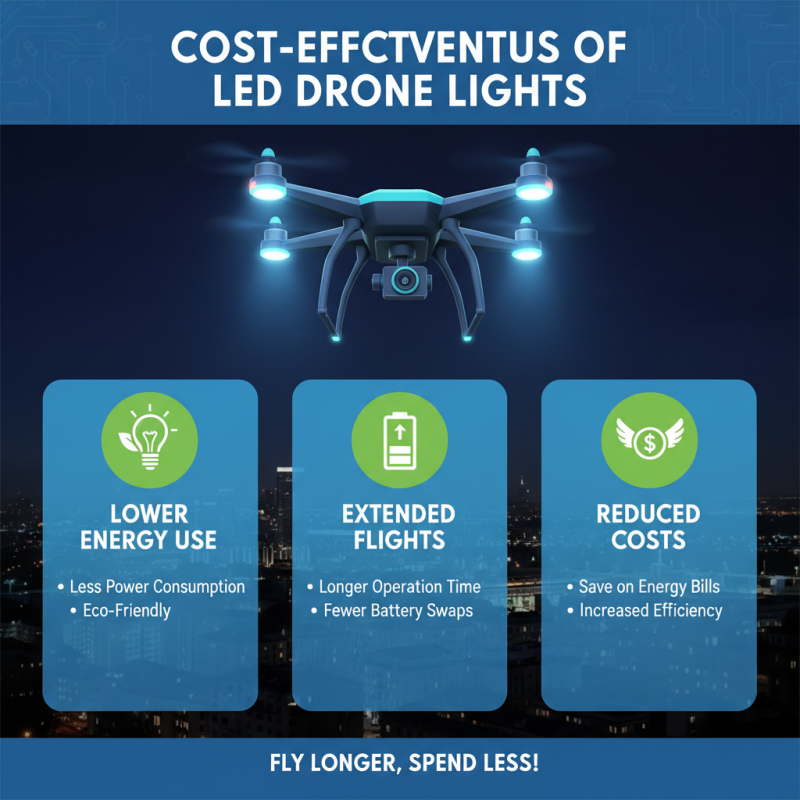
When considering lighting for aerial projects, LED drone lights stand out for their cost-effectiveness. They consume less energy compared to traditional lights. This makes them a great choice for long-duration flights. The reduced power consumption translates to longer operation times. This saves pilots the hassle of frequent battery changes.
LED lights are also known for their durability and long lifespan. Unlike incandescent bulbs, they can withstand tough environments. This reliability is crucial for outdoor projects. The initial investment in LED technology might seem high, but the savings in energy and replacement costs make it worthwhile. However, the upfront cost is sometimes a barrier for smaller operations.
Despite the advantages, not all LED lights are created equal. It’s essential to choose well-reviewed products. Users may find that cheaper options do not perform well at night or in adverse conditions. There’s an ongoing need for research and trial to find the best fit, which could lead to unforeseen expenses. Overall, navigating the landscape of LED drone lighting requires careful consideration and reflection on previous experiences.