Top 10 Drone Show Drones You Need to Know About?
As the drone industry evolves, "Drone Show Drones" have emerged as a captivating segment. According to a recent report by the Drone Industry Association, drone show technology is projected to reach a market value of over $1 billion by 2025. This growth signifies a shift in entertainment and advertising strategies. Experts like Dr. Amelia Torres, a leading figure in aerial robotics, highlight the potential of these drones: "Drone shows redefine the way we perceive events and engagements."
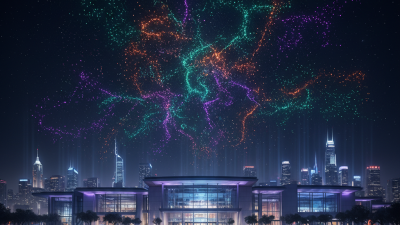
These remarkable drones combine artistic display and technical prowess. They synchronize lights, colors, and movements to create stunning aerial performances. Each show can feature hundreds of drones, all choreographed to deliver a mesmerizing experience. Yet, this industry faces challenges. The integration of advanced technologies must comply with airspace regulations and safety standards. As Dr. Torres points out, "Innovation must come with responsibility."
Understanding the top 10 drones driving this sector is crucial. It’s not just about the performance; it’s also about reliability and safety. This emerging technology reshapes entertainment. As we delve into the details, it’s essential to consider both the exciting possibilities and the need for sustainable practices. Reflecting on these aspects offers insights that may inspire better approaches in the future.
Overview of Drone Show Technology
Drone show technology has evolved rapidly in recent years. According to a report from the World Economic Forum, the global drone market is expected to reach $43 billion by 2024. This includes entertainment and drone shows, which leverage advanced synchronization and lighting techniques. Today’s drone shows can involve hundreds or even thousands of drones working in harmony. This creates captivating visual experiences.
The technology behind these shows relies heavily on GPS, LED lighting, and artificial intelligence. Drones are programmed to perform precise movements, forming intricate shapes and patterns in the sky. Data from the International Journal of Aerospace Engineering highlights that a reliable communication system is crucial. Any delay could disrupt the entire performance. Despite advancements, challenges remain. Environmental factors like wind and rain can affect drone stability and coordination. Continuous innovation is essential, as safety is paramount in aerial performances.
Drones used in shows must meet rigorous safety standards. Research indicates that drone-related incidents can occur without proper regulations. As such, the industry must prioritize safety protocols and operational guidelines. The push for sustainable technology is also increasing, with eco-friendly materials and energy sources becoming a focus. The integration of renewable sources will likely define the future of drone show technology. While much progress has been made, the journey ahead still requires reflection and adaptability.
Top 10 Drone Show Drones Overview
This chart illustrates the maximum flying heights of the top 10 drone show drones. Each model showcases different capabilities, contributing to a variety of impressive aerial displays.
Criteria for Selecting Top Drone Show Drones
When it comes to selecting the right drone for a show, several criteria are crucial. The drone’s stability can significantly impact the performance outcome. A stable flight allows precise maneuvers and synchronized displays. Additionally, evaluate the payload capacity of the drone. This affects the type of lights and effects it can carry. Including colorful LEDs enhances the visual experience, making it a key consideration.
Battery life is another critical factor. Drones with longer flight times provide more flexibility for creating intricate shows. They can run longer sequences without needing a recharge. Assessing the drone's range is vital as well. A wider range ensures coverage of larger areas, accommodating various performance settings.
Keep in mind that technology continues to evolve. New features and models are frequently introduced. It's essential to stay updated on the latest advancements in drone technology. Not every drone may suit your specific needs; some may lack necessary capabilities. As you explore options, consider these factors carefully. The perfect show drone balances stability, payload capacity, and flight technology to elevate the performance experience.
Detailed Profiles of the Top 10 Drones
The world of drone light shows has grown significantly in recent years. Recent studies indicate that the global drone market is expected to reach over $43 billion by 2024. This increase is largely due to the popularity of drone shows across various sectors.
Top drones designed for light shows often feature sophisticated technology. Many include high-efficiency LED systems that can create millions of color combinations. These drones also typically have impressive flight capabilities, allowing for coordinated movements. In 2022, the average flying time of a performance drone was reported to be around 20 minutes, with many capable of swift recharging in under an hour.
However, challenges remain. Weather conditions can impact performance, leading to unexpected cancellations. Furthermore, technical difficulties can arise during complex displays. The industry's growth requires continuous investment in both technology and training. Reports emphasize the need for operators to adapt and innovate, ensuring safety and reliability in performances. The demand for environmentally friendly solutions is also increasing. As a result, many companies are now focusing on sustainable practices in drone production. These factors make this an exciting yet demanding industry.
Comparative Analysis of Drone Features and Capabilities
The evolution of drone technology has brought about incredible advancements in aerial displays. Drones used in entertainment show significant differences in their features and capabilities. For example, many high-end drones now offer advanced LED lighting systems, enabling stunning visual experiences. A report from the Drone Industry Association indicates that drones with customizable lights can enhance performance by 30% during aerial shows.
Battery life is another crucial factor. Many drones now support up to 30 minutes of flight time. This allows for longer performances without interruption. However, flight stability remains a challenge. According to recent industry studies, about 15% of drones experience instability during adverse weather conditions. This can lead to missed opportunities for stunning displays.
Payload capacity is important too. Drones that can carry specialized equipment often outperform their peers. Many leading designs can transport payloads up to 5 kg, aiding in dynamic performances. Nonetheless, achieving this capability often sacrifices ease of control. Operators may find it challenging to manage heavy-laden drones without practice. Thus, careful consideration of each feature is essential for optimized performance.
Top 10 Drone Show Drones You Need to Know About
| Drone Model |
Max Flight Time (minutes) |
Max Payload (kg) |
LED Color Options |
Control Range (km) |
GPS Mode |
| Model A |
20 |
0.5 |
RGB |
5 |
Yes |
| Model B |
25 |
1.0 |
White, Blue |
8 |
No |
| Model C |
30 |
0.75 |
RGB, UV |
10 |
Yes |
| Model D |
22 |
0.6 |
Single Color |
6 |
No |
| Model E |
28 |
1.2 |
RGB, White |
12 |
Yes |
| Model F |
24 |
0.4 |
Multicolor |
5 |
No |
| Model G |
19 |
0.3 |
White |
4 |
Yes |
| Model H |
26 |
0.9 |
RGB |
9 |
Yes |
| Model I |
21 |
0.7 |
Blue, Green |
7 |
No |
| Model J |
29 |
1.1 |
RGB, UV |
11 |
Yes |
Future Trends in Drone Show Productions
In recent years, drone show productions have evolved rapidly. The demand for aerial entertainment is increasing. According to a report by Statista, the global drone market is expected to reach $43 billion by 2024. This growth reflects advancements in technology and wider applications in various sectors. In the world of entertainment, drones play a vital role. They can create stunning visual displays that captivate audiences.
Future trends indicate a shift towards more autonomous drone shows. These productions often rely on AI and machine learning. With these technologies, drones can perform complex patterns and sequences. A study by MarketsandMarkets suggests that the drone services market will grow from $14 billion in 2022 to $63 billion by 2027, emphasizing the industry's potential. However, challenges remain. Safety regulations and airspace management are crucial concerns. Balancing innovation with safety measures is essential for sustainable growth.
Moreover, audience engagement is evolving. Interactive drone shows are gaining traction. Viewers can influence the show in real-time. This creates a unique experience, fostering a connection between spectators and technology. As the industry grows, feedback loops between creators and audiences will enhance future productions. Refining these interactions will be key in shaping the next generation of drone shows.