Top Drone Show Tips for an Unforgettable Experience?
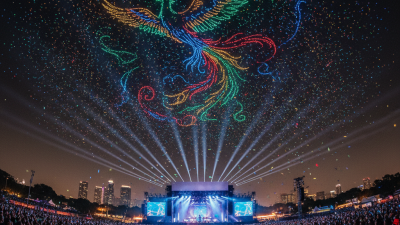
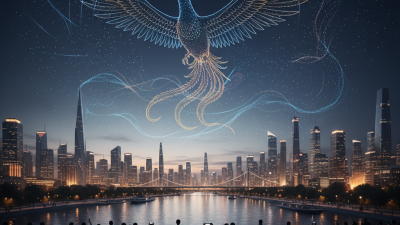
Drone shows have revolutionized the entertainment industry, offering breathtaking aerial displays that captivate audiences worldwide. According to a recent report by Drone Industry Insights, the drone show market is projected to exceed $2.5 billion by 2025. This growth reflects the increasing popularity of drones in various sectors, especially in live entertainment.
Experts like Dr. Emily Larson, a leading figure in drone technology, emphasize the importance of creativity in drone shows. She states, "The integration of technology and art in drone shows can create unforgettable experiences for viewers." Her insights highlight how the right combination of choreography, music, and technology elevates the spectacle.
However, organizing successful drone shows comes with its challenges. Safety regulations must be prioritized, and weather conditions can hinder performances. These factors call for meticulous planning and flexibility. Addressing these considerations ensures that audiences walk away with lasting memories. The potential for innovation in this field remains immense, and there's always room for improvement.
Selecting the Right Location for Your Drone Show Experience
Choosing the right location for your drone show is crucial for an unforgettable experience. Look for open spaces with minimal obstructions. Parks and large fields are often ideal, but consider safety and accessibility. Nearby buildings or trees can disrupt the show, so plan carefully. Urban areas can be exciting but may also bring challenges, like air traffic restrictions.
Natural settings enhance the visual impact of drones against stunning backdrops. Mountains or lakes provide beautiful visuals, but check for regulations, too. Make sure the audience has a clear view. Conflicts with wildlife or local communities should be assessed as well. It’s vital to respect both nature and locals when choosing a spot, ensuring a harmonious experience for everyone involved.
In some cases, I’ve seen shows struggle due to poor location choices. Consider factors like noise restrictions and weather conditions. High winds can affect drone stability, so check forecasts before confirming your site. A compromised location can lead to a less-than-stellar performance, highlighting the importance of thorough research. Always stay open to new venues and be ready to pivot if necessary.
Choosing the Optimal Time and Weather Conditions for Drone Displays
When planning a drone display, timing and weather are crucial. The right conditions can make or break the experience. Consider a clear sky, ideally during twilight. This is when the colors come alive. Cloud cover can dull the lights and lessen the impact. Choose a day with minimal wind to ensure stability. Windy conditions can cause drones to drift, affecting the choreography.
Tips for optimal display include checking local forecasts in advance. Sudden weather changes can catch organizers off guard. It's wise to have a backup plan for inclement weather. Even slight rain can interfere with the technology. Additionally, scheduling around major local events can also enhance attendance and buzz. Timing the show with a sunset or significant local festivities can create a magical atmosphere.
However, not every display will go perfectly. Technical glitches and miscommunication can happen. The key is to remain flexible and adapt to unforeseen circumstances. Even in the face of setbacks, captivating displays can emerge. With careful planning and consideration, you can create a stunning drone show that leaves lasting memories.
Understanding the Technology Behind Drones in Performances
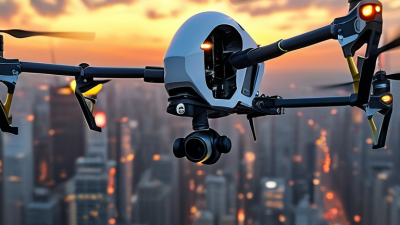
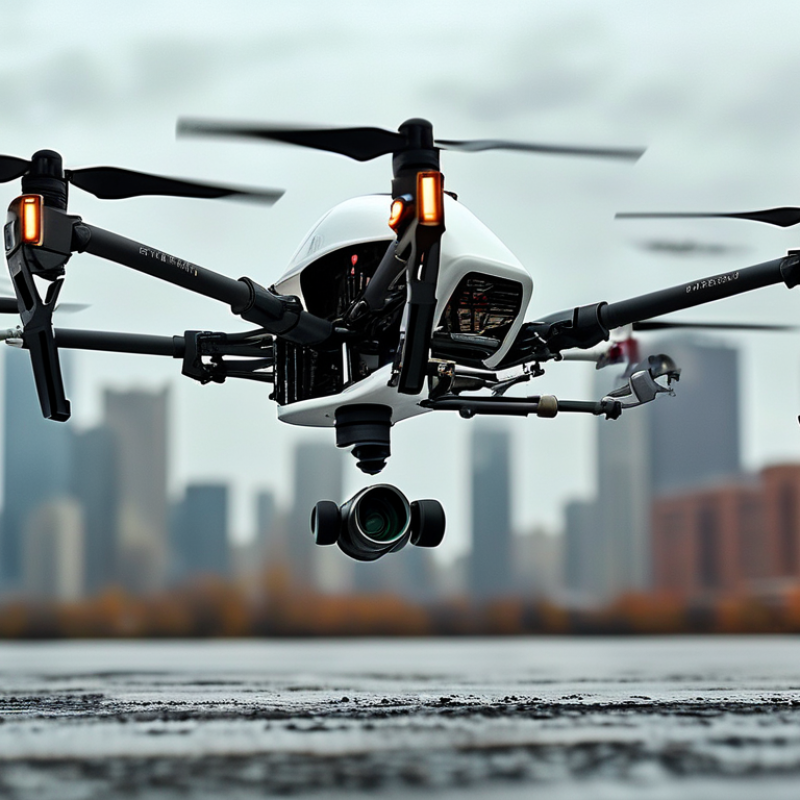
Drones have transformed entertainment with their advanced technology. Their ability to fly in precise formations creates stunning visuals. Programmers work hard to synchronize movements, ensuring a seamless display. Each drone is equipped with LEDs, producing vibrant colors that change in real-time. This technology allows for creativity beyond traditional performances.
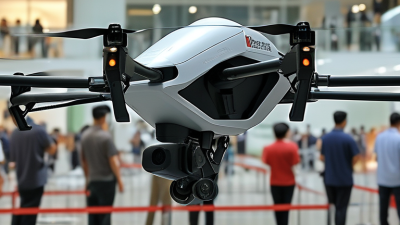
While the drone show industry is exciting, it has its challenges. Weather conditions can greatly affect performances. Wind and rain may limit drone flight capabilities. Operators must constantly adapt to these variables. Moreover, audience safety is paramount. Ensuring drones stay within designated areas requires careful planning and coordination.
The integration of 3D mapping technology has opened new possibilities. Shows now feature intricate patterns synced with music. Yet, implementing this technology is not without its difficulties. Errors in mapping can lead to disjointed displays. Continuous improvement is essential for creating unforgettable experiences.
Engaging the Audience: Tips for Maximizing Viewer Experience
When planning a drone show, engaging the audience is key. Start by setting the right atmosphere. Use vibrant lights and music that resonates with your theme. Create an immersive experience. Consider incorporating interactive elements. Allow spectators to influence the show through live votes or mobile apps. This can make them feel like part of the event.
Attention to detail matters. Ensure that the drones are synchronized perfectly to the musical beats. A slight misalignment can disrupt the experience. Pay attention to the crowd’s reactions and adapt. If an audience seems disengaged, be prepared to change the flow of the performance. Small adjustments can make a big difference.
Invite local artists or performers to join the show. This can enhance the experience and build community ties. Balance between technology and human connection is important. People appreciate seeing familiar faces alongside innovative displays. Reflect on previous shows and ask for feedback. You can learn what worked well and what needs improvement. Each event is a chance to enhance audience engagement further.
Top Drone Show Tips for an Unforgettable Experience
| Tip Category |
Specific Tip |
Impact on Experience |
| Preparation |
Select a scenic location |
Enhances visual appeal |
| Audience Engagement |
Interactive pre-show activities |
Increases excitement and anticipation |
| Performance |
Incorporate music and storytelling |
Creates emotional connection |
| Timing |
Schedule during twilight |
Maximizes visibility of lights |
| Feedback |
Collect audience feedback post-show |
Guides improvement for future events |
Safety Protocols and Regulations for Hosting a Drone Show
When planning a drone show, safety protocols cannot be overlooked. According to the Federal Aviation Administration (FAA), a robust safety framework can significantly reduce risks. In recent studies, events that adhere to specified guidelines experience up to 30% fewer incidents. It is crucial to ensure that operators are certified and knowledgeable about both the drones and the event area.
Preparation is key. Establish a designated no-fly zone around the audience to minimize safety risks. Using geofencing technology helps ensure drones remain within safe limits. Keep a contingency plan ready in case of unexpected weather changes or technical issues. Having quick access to emergency procedures is essential for any event organizer.
Practice is more important than you might think. Run through simulation flights before the big day. This allows you to identify potential problems early. Gather feedback from your team to refine your protocols. A drone show not only showcases technology but also emphasizes how responsible planning can turn a great idea into a seamless event.