What is a Drone Led Light Show and How to Use It?
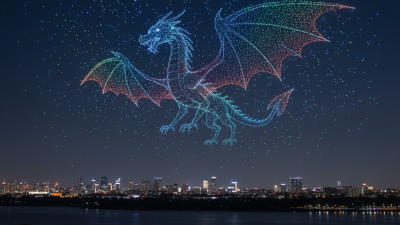
In recent years, the Drone Led Light Show has emerged as a captivating spectacle, mesmerizing audiences worldwide. Expert John Anderson, a pioneer in drone technology, once remarked, “A well-executed drone light show transforms the night sky into an artistry of flight.” This statement reflects the blend of creativity and technology inherent in these performances.
Drone Led Light Shows utilize fleets of drones equipped with programmable LED lights. These shows create stunning visuals, synchronized to music in real-time. Notably, they are eco-friendly, offering a soundless alternative to traditional fireworks. However, executing a successful Drone Led Light Show requires precision. Operators must be skilled in both drone technology and visual art.
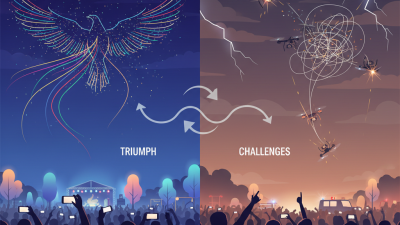
Despite their impressive appeal, challenges exist. Technical glitches can occur, affecting the overall performance. In some cases, weather conditions may deem a show unsafe, leading to cancellations. Preparing and practicing for these events is essential to mitigate risks and ensure spectacular displays. The potential for creativity is vast but needs careful consideration and planning.
What is a Drone Led Light Show?
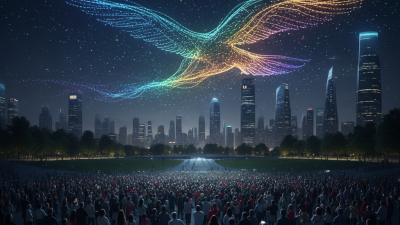
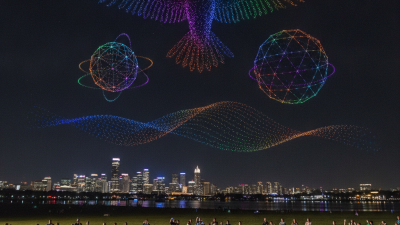
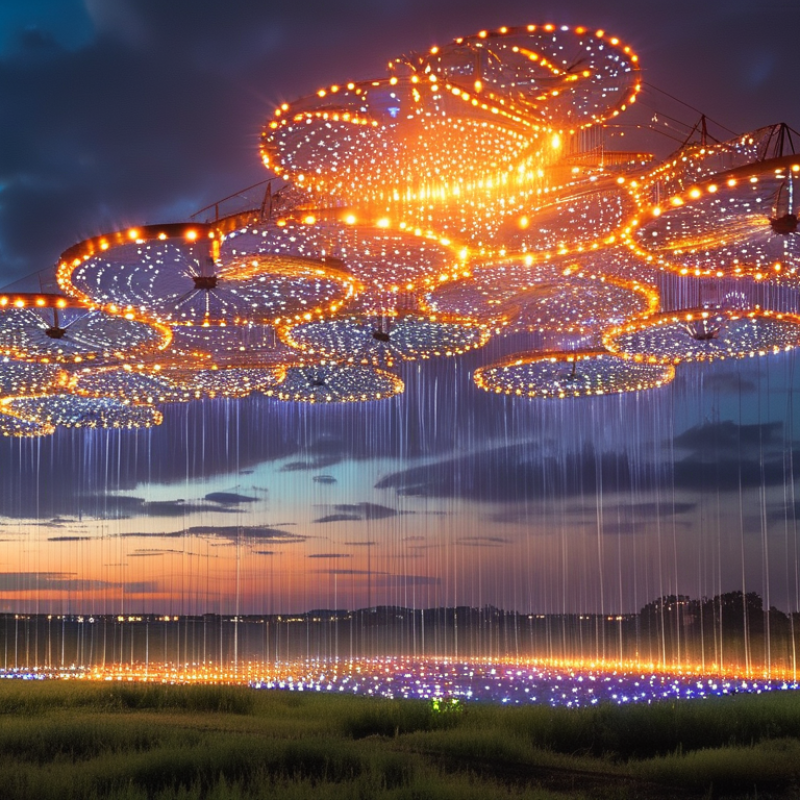
A drone LED light show is a captivating display of coordinated drones equipped with colorful LED lights. These shows have gained popularity for their stunning visual effects and innovative technology. Instead of traditional fireworks, drones create intricate patterns and shapes in the night sky. Each drone works in harmony, producing a mesmerizing spectacle. The synchronization is remarkable and can leave audiences in awe.
The concept behind a drone light show is relatively straightforward. Each drone is programmed to follow a specific path, flashing lights in different colors at precise intervals. The event requires meticulous planning and choreography. A team of skilled operators oversees the drone fleet. They ensure everything runs smoothly and safely. However, it’s crucial to understand that outdoor conditions can impact the performance. Wind and weather may introduce unexpected challenges that can affect the show’s quality.
While a drone light show can elevate any event, it is essential to reflect on its environmental impact. Drones generally have a smaller ecological footprint compared to traditional displays. Nonetheless, any large-scale use of technology can lead to concerns. Balancing entertainment with environmental responsibility should be a priority for organizers. Attention to detail and innovation can lead to truly breathtaking experiences, but the responsibility of minimizing impact remains.
Key Components of a Drone Light Show System
When discussing the key components of a drone light show system, understanding the technology involved is crucial. A typical drone light show integrates multiple drones, 3D animation software, and communication networks. The drones are equipped with LED lights capable of producing millions of color combinations. According to a recent industry report, the global market for light shows is projected to reach $200 million by 2025, reflecting a growing interest in drone technology.
Drones in these shows often utilize GPS and precise positioning systems. This technology ensures that each drone follows a meticulous flight path, synchronized with the show’s design. The software used to choreograph these displays must handle complex calculations in real-time. It is not uncommon for these light shows to involve hundreds of drones operating simultaneously. However, challenges arise in ensuring seamless communication between drones, especially in crowded environments.
Moreover, safety remains a critical concern. Operators must consider airspace regulations and potential hazards. Reports highlight that nearly 10% of drone shows faced technical issues that disrupted performances. Enhancements in drone technology are essential to mitigate such risks. The future of drone light shows hinges on refining these key components while maintaining safety and reliability in dynamic environments.
Planning and Designing Your Drone Light Show
When planning a drone light show, you need to focus on multiple aspects. Start by defining your theme. Whether it's a celebration, festival, or corporate event, a clear theme helps in design consistency. Think about the colors, patterns, and motions that will reflect this theme.
Technology is important, but so is creativity. Seek inspiration from nature, art, or even cultural symbols. This can guide the choreography of the drones. The visual narrative will be integral to engaging your audience. Don’t forget to map out the flight paths carefully. This requires precision to avoid collisions and to create seamless transitions.
Tips: Test your design in simulations. Make adjustments if needed, as not everything will work perfectly on the first try. Gather feedback from team members. Their fresh perspectives can highlight areas for improvement. Always consider weather conditions. Wind can impact performance; have a contingency plan ready.
Safety Considerations for Drone Light Shows
Drones have become a popular choice for entertainment. However, safety is critical when using them for light shows. Proper planning is essential. Not only do you need to ensure a clear flight path, but you also need to consider the presence of people and animals in the area. Drones can be unpredictable. If a drone loses control, the consequences can be serious.
It is crucial to conduct a thorough risk assessment. Identify potential hazards, including nearby buildings and trees. You must establish a safe perimeter to keep spectators at a distance. All operators should be well-trained and understand emergency procedures. Checking weather conditions is vital too. High winds or rain can pose significant risks.
Also, backup plans are often overlooked. What happens if a drone malfunctions? Having spare drones on hand can save a show. Additionally, ensure all equipment is regularly maintained. Accidents can happen despite the best preparations. Reflecting on past events can help improve future performances. Always prioritize safety; it’s the backbone of a successful drone light show.
Best Uses and Applications for Drone Light Shows
Drone light shows have emerged as a captivating form of entertainment. They offer a unique blend of art and technology. Events like weddings, festivals, and concerts benefit from these dazzling displays. The vibrant patterns created by drones leave audiences mesmerized. Many people attend events just for the light shows.
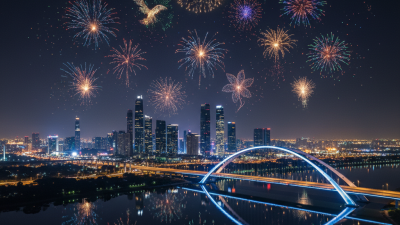
Cities use drone light shows to promote tourism. These aerial spectacles highlight the city’s culture and landmarks. Special occasions, such as national holidays, often feature stunning drone displays. They capture the spirit of celebrations while providing a modern twist on traditional fireworks. However, not all drone shows receive positive feedback. Some local regulations complicate planning. This can hinder the creativity of the displays.
Another application is for corporate events. Companies can use drone light shows for brand promotions. A well-choreographed performance can communicate a product’s message effectively. However, logistical challenges exist. Coordinating drones requires skill and experience. Weather conditions can also impact the outcome. Event organizers must plan meticulously and remain adaptable to achieve success.
Drone Light Show Applications
This chart illustrates various applications of drone light shows, highlighting the number of uses in thousands across different sectors. From entertainment to military applications, drone light shows are becoming increasingly popular for their versatility and visual impact.