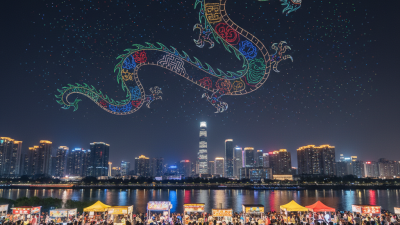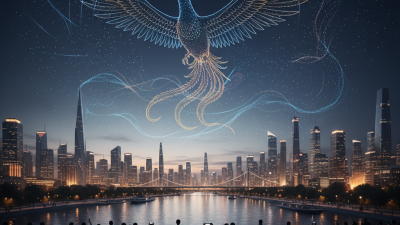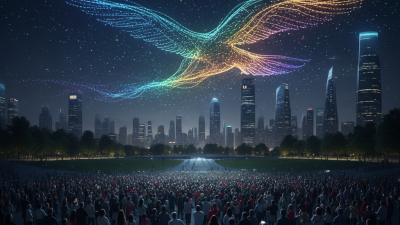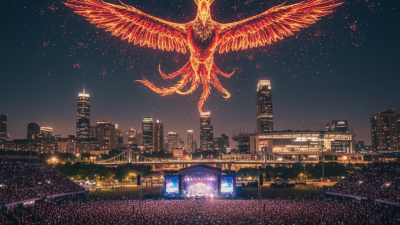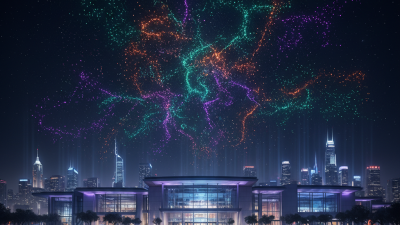
In recent years, Drone Sky Shows have transformed entertainment landscapes. These spectacular aerial displays utilize synchronized drones to create stunning visuals in the night sky. According to a recent report by Drone Industry Insights, the global market for drone show technology is expected to surpass $2 billion by 2025. This growth highlights the increasing popularity of aerial displays in events such as festivals, concerts, and corporate gatherings.
Drone Sky Shows are not only visually captivating but also technologically complex. The choreography of hundreds or even thousands of drones takes careful planning and execution. With advancements in automation and LED technology, these shows push artistic boundaries while also ensuring safety and precision. However, challenges remain, such as regulatory hurdles and the need for highly skilled professionals.
As the industry matures, understanding the key features of a Drone Sky Show becomes essential. From creative design elements to technical specifications, there is much to explore. The audience engagement and environmental impact of these displays are also worth considering. As we dive into the top 10 Drone Sky Show features, reflect on the journey and the ongoing evolution of this mesmerizing form of entertainment.
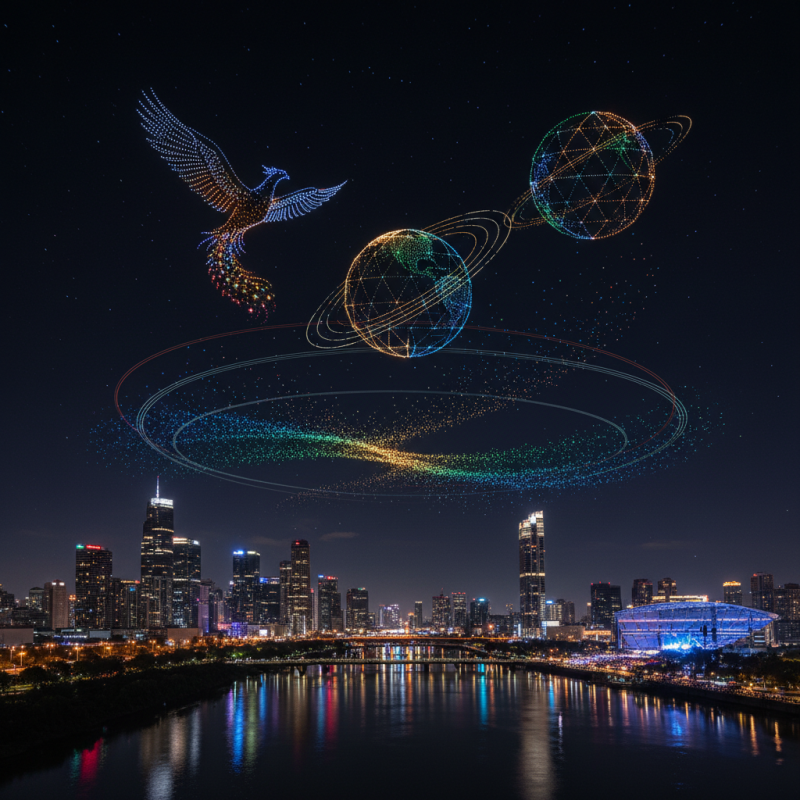
Drone sky shows have become a captivating spectacle, merging art and technology. The essential technology behind these displays includes real-time GPS, advanced algorithms, and synchronized programming. Estimates suggest that the global drone light show market will reach $4 billion by 2026, reflecting a growing interest and investment in this medium.
At the heart of these shows is the drone itself. Many use LED lights to create vivid displays in the night sky. However, achieving synchronization among hundreds of drones remains a significant challenge. According to a 2021 industry report, 35% of shows faced issues with coordination. This underlines the importance of cutting-edge software and precise timing to ensure a seamless experience.
Moreover, safety regulations are vital in this fast-evolving industry. A recent survey indicated that nearly 50% of drone operators worry about compliance issues. The use of geo-fencing and automated flight paths can minimize risks, allowing for creative freedom. Balancing innovation with safety ensures that drone sky shows continue to dazzle audiences safely and responsibly.

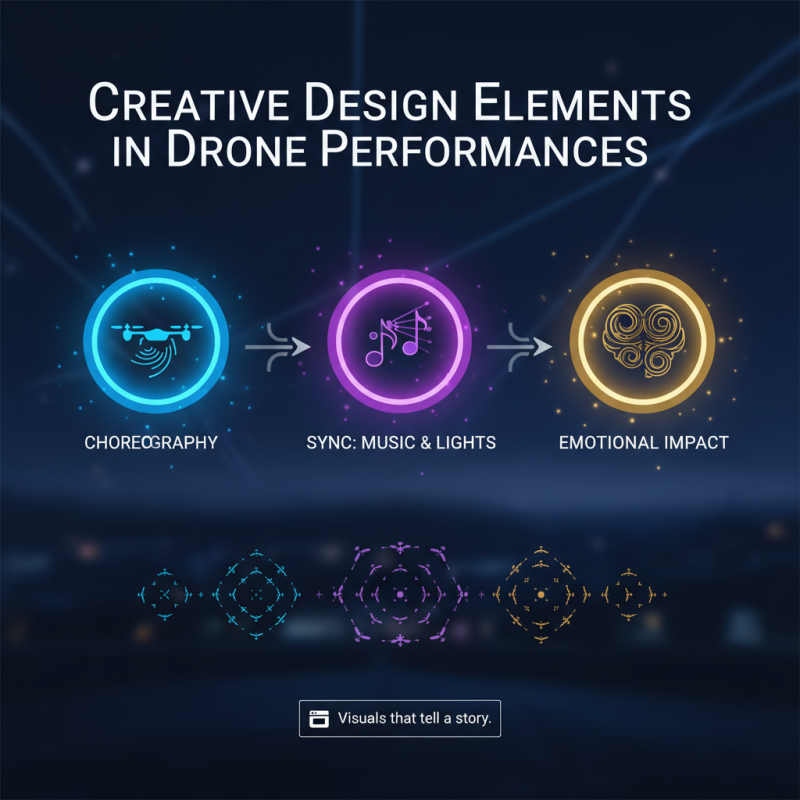
Drone shows are captivating displays that combine technology, art, and creativity. The design elements in these performances greatly enhance their visual impact. One vital aspect is the choreography of the drones. Well-timed movements create patterns that mesmerize audiences. Syncing lights and movements to music adds an emotional layer, making these shows unforgettable.
When planning a drone show, consider incorporating unique shapes and formations. Drones can form intricate designs that reflect themes or stories. Experiment with colors and light intensity for dynamic visual effects. Keep in mind, though, that too many colors can overwhelm viewers. Simplicity often speaks louder than complexity.
Tips for enhancing drone performances include conducting test flights before the actual show. This helps identify potential flaws in choreography. Also, consider the viewing angle. Audience locations can greatly influence the experience. Lastly, engage with your audience’s feedback. Their insights can guide future improvements.
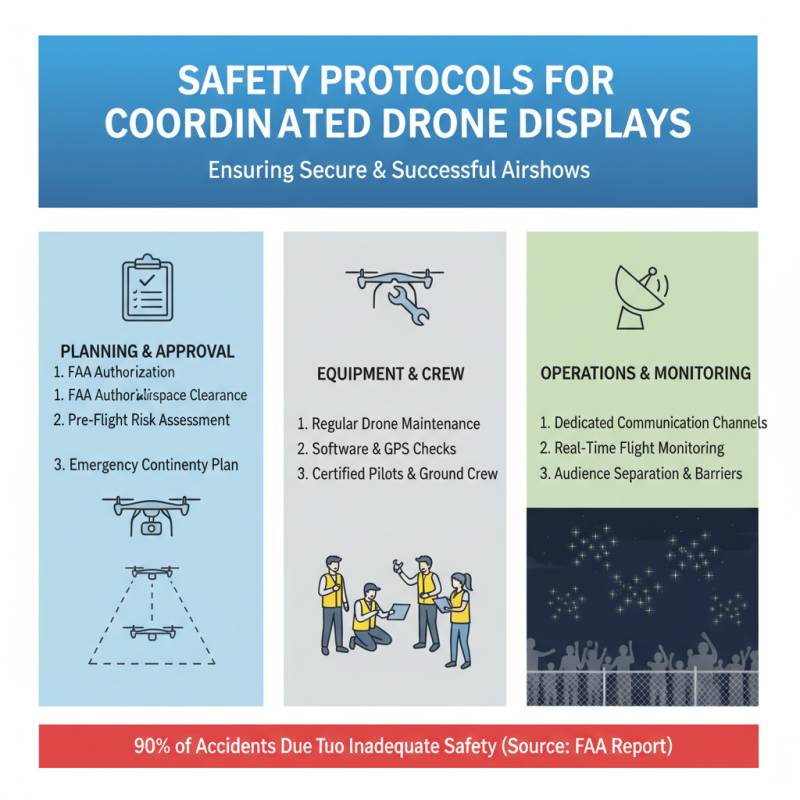
Coordinated drone displays have become a spectacle in entertainment. However, safety protocols are crucial for their success. A report from the Federal Aviation Administration (FAA) indicates that nearly 90% of drone accidents occur due to inadequate safety measures. Hence, establishing a robust set of protocols is essential for organizers and participants.
One vital aspect is the establishment of no-fly zones. According to industry experts, drone shows should avoid areas with heavy air traffic. Proper communication with air traffic control can mitigate risks. Coordinated flight paths must be pre-approved and rehearsed. This ensures that drones remain within designated areas throughout the display. The International Civil Aviation Organization (ICAO) suggests a minimum distance of 1,500 feet from populated areas for any drone activity.
Another consideration is the weather. Data shows that around 25% of drone shows face cancellations due to adverse weather conditions. It's important to monitor wind speeds and precipitation in real-time. Having a contingency plan allows for safe postponements. These measures may seem exhaustive but are necessary for public safety and event success. Without them, even the most magnificent light displays can turn hazardous.
Drone shows captivate audiences, but environmental aspects deserve attention. Drones consume energy, which contributes to carbon footprints. Understanding this impact is crucial for responsible use. Implementing energy-efficient technologies can significantly reduce emissions.
Noise pollution is another factor to consider. While drones are generally quieter than traditional fireworks, they can still disrupt local wildlife. Planning shows in remote areas or during off-peak times can help minimize disturbances. It's vital to assess the surrounding ecosystem before hosting an event.
Additionally, waste management plays a role. Drones require batteries and materials that need proper disposal. Recycling programs and sustainable practices should be established. Communities can push for standards that encourage eco-friendly alternatives. Engaging with local residents about their concerns fosters goodwill and elevates the event's sustainability.
| Feature | Description | Environmental Impact | Mitigation Strategies |
|---|---|---|---|
| Light Displays | Intense LED lights synchronized with music. | High energy consumption. | Use renewable energy sources. |
| Design Complexity | Intricate formations and patterns in the sky. | Potential air traffic disruptions. | Coordinate with local aviation authorities. |
| Safety Protocols | Strict rules for flight paths to ensure safety. | Risk of accidents during shows. | Implement comprehensive risk assessments. |
| Environmental Regulations | Compliance with local and national laws. | Impact on wildlife and habitat. | Conduct environmental impact assessments. |
| Noise Levels | Sound generated during drone operation. | Disruption to local wildlife. | Schedule performances during off-peak hours. |
| Waste Management | Responsible disposal of equipment and waste. | Contributing to landfills and pollution. | Implement recycling programs. |
| Community Engagement | Involving locals in event planning. | Potential negative perceptions. | Hold informational sessions and forums. |
| Weather Considerations | Impact of inclement weather on shows. | Safety risks during adverse conditions. | Have contingency plans for bad weather. |
| Innovative Technology | Use of advanced drones and software. | Resource intensive development. | Invest in sustainable technology. |
| Sustainability Efforts | Focus on reducing the carbon footprint. | Long-term environmental consequences. | Adopt green practices. |
As drone light shows evolve, new trends are reshaping the industry. Advanced technologies, like AI and automation, enhance choreography and precision. Drones can now perform complex maneuvers previously thought impossible. This evolution brings a new level of creativity to light displays.
Sustainability is becoming a significant focus. Developers are exploring eco-friendly materials and energy sources. This shift aligns drone shows with global efforts toward greener solutions. However, challenges remain in balancing innovation with environmental impact. The framework of regulations also needs to adapt to continually advancing technologies.
Audience engagement is key in the future of drone shows. Creating interactive experiences can transform how viewers perceive these displays. Using apps to allow personalized interactions could elevate the excitement. Yet, not every concept works seamlessly. Some ideas may require fine-tuning to meet audience expectations better. Adapting to feedback is crucial for success.