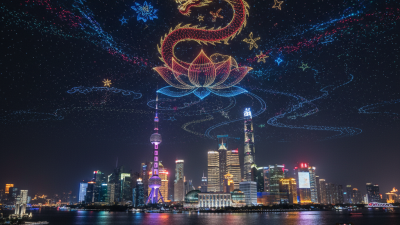
The world of Drone Display Shows is rapidly evolving, showcasing extraordinary innovations that captivate audiences. Renowned expert Dr. Emily Harris, a leading figure in drone technology, states, "The future of entertainment lies in the skies." Her insights resonate deeply as we explore the top ten innovations that define this industry.
Drone Display Shows are not just performances; they are technological marvels. Complex choreographies featuring hundreds of drones create spellbinding visuals. These shows have transformed how we perceive entertainment, blending art and technology seamlessly. From stunning light patterns to synchronized movements, the advancements are truly remarkable. However, challenges still exist, such as regulatory hurdles and safety concerns.
The landscape of Drone Display Shows continues to change. Innovations may dazzle, but learning from past errors is crucial. Some shows have faced technical glitches, reminding us of the need for precision. As this industry matures, it beckons a balance between creativity and responsibility. Stay tuned as we unveil the most exciting innovations, inviting reflection on what the future holds.
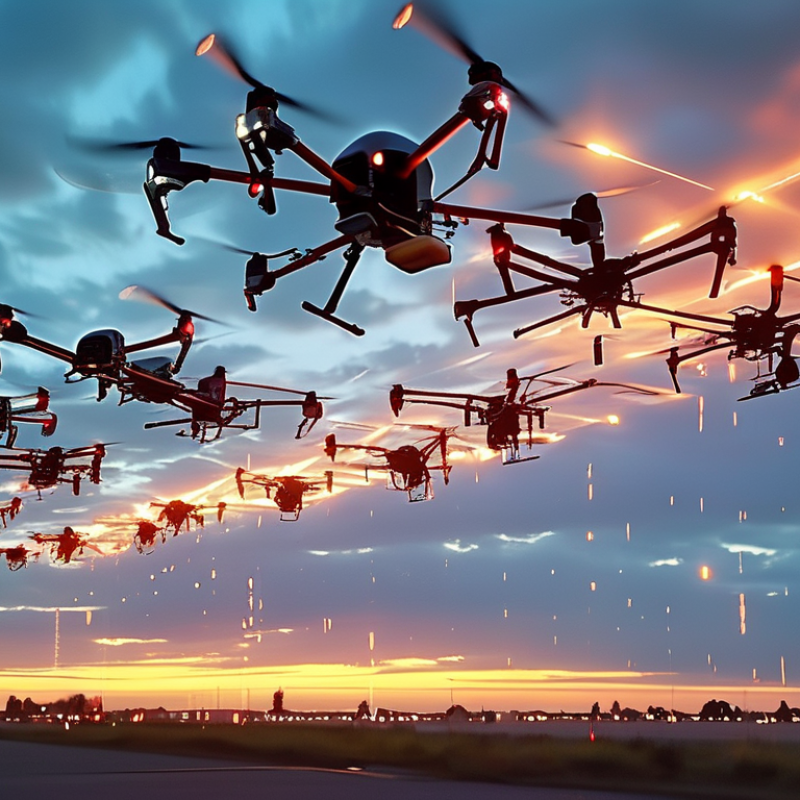
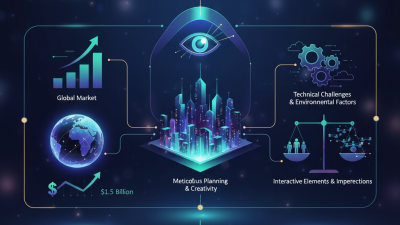
Drone display shows are rapidly evolving due to innovative technologies. According to a recent report from Drone Industry Insights, the global drone display market is set to reach USD 1.8 billion by 2025. This growth is driven by advancements in swarm technologies and real-time data processing. Drones can now perform synchronized light shows with impressive precision.
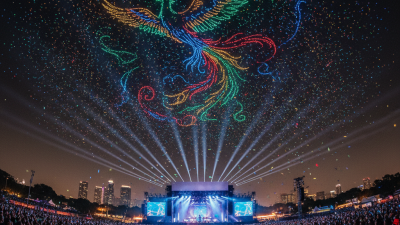
One significant development is the improved battery life of drones. Modern drones can now fly longer, enabling extended displays. In a well-known display, over 1,000 drones coordinated to create a stunning light pattern, showcasing aerial artistry. However, challenges remain in managing drone communication in crowded environments.
Safety remains a concern. Reports indicate that 30% of drone displays have faced technical issues. These issues can affect performance and audience experience. Future innovations focus on enhancing reliability. More robust software systems are being developed to prevent mishaps. As the field continues to progress, maintaining safety without compromising creativity is vital.

Drones have transformed the world of entertainment with their stunning displays. The integration of light and visual effects has made drone performances extraordinary. These shows combine music, choreography, and technology to create breathtaking experiences. The vibrant colors and synchronized movements captivate audiences, leaving them in awe.
Innovations in drone technology are making these displays even more remarkable. Some performances utilize intricate patterns that change in real-time. This adds an element of unpredictability that keeps viewers engaged. The use of 3D mapping enhances the visual experience, creating a narrative that unfolds in the sky. However, the reliance on technology poses challenges. Technical failures can disrupt the show, emphasizing the need for redundancy in design.
Moreover, the environmental impact of drone shows is an ever-present concern. While they are mesmerizing, the effects on wildlife and ecosystems require consideration. Striking a balance between spectacular displays and ecological responsibility is essential. As creative minds continue to explore these innovations, the future of drone performances holds even more potential for growth and introspection.
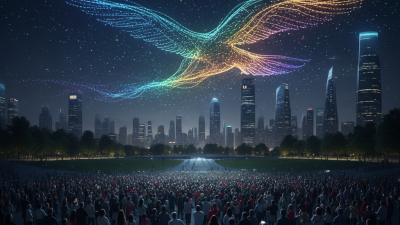
The rapid advancements in swarm technology have transformed drone display shows into breathtaking spectacles. Coordinated drone movements create stunning visuals in the night sky, mesmerizing audiences worldwide. With hundreds of drones working together, these performances highlight creative artistry and cutting-edge technology.
Each drone operates autonomously, communicating with others in real-time. This synchronization is vital. A slight lag can disrupt the entire display. Designers must continually test their algorithms, ensuring seamless coordination. Experimentation is crucial. Sometimes, failures occur during practice sessions, providing learning opportunities for improvement.
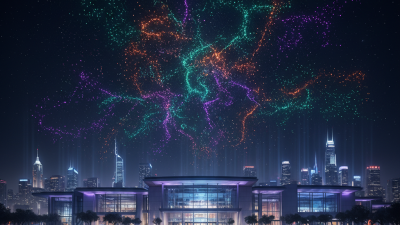
Visuals created by these drone swarms can replicate intricate patterns and scenes. Color changes and formation shifts add depth to performances. However, environmental factors, like wind, pose challenges. Shows may need adjustments due to unforeseen conditions. These unpredictabilities remind coordinators of the ever-evolving nature of technology and art. Embracing these challenges can lead to extraordinary creativity.
Drone shows are rapidly evolving, and the integration of AI for real-time choreography is a game-changer. With AI, choreographers can unleash unprecedented creativity. Drones can now react dynamically to music and audience reactions. This creates a fluid, captivating experience that feels alive. Imagine hundreds of drones moving in harmony with a live orchestra, each movement precisely timed.
Real-time data analysis enables drones to adapt on the fly. This adaptability can enhance storytelling in drone displays. It allows for spontaneous changes in formations and designs. However, this innovation is not without its challenges. Technical glitches and AI misjudgments can disrupt the flow of a show. Organizers must be prepared to manage these uncertainties.
As drone technology advances, the potential for more intricate displays grows. Audiences are treated to stunning visuals that push the limits of what aerial performances can achieve. Yet, questions about reliability and safety remain. How do we ensure that a fully automated show remains secure? This ongoing dialogue is essential as we embrace this new frontier in entertainment.
| Innovation | Description | Use of AI | Impact on Performance |
|---|---|---|---|
| Dynamic Shape Formation | Drones create fluid shapes in real-time | AI algorithms predict and adjust formations | Enhanced viewer engagement and visual impact |
| Interactive Audience Participation | Spectators can influence the show via mobile apps | Real-time data processing through AI | Creates a unique and personalized experience |
| Music Synchronization | Lights and movements synced with music beats | AI analyzes audio for optimal choreography | Improves aesthetic harmony and entertainment value |
| Advanced Collision Avoidance | Drones autonomously avoid mid-air collisions | Machine learning for real-time obstacle detection | Increases safety, allowing for more complex shows |
| Environmental Adaptability | Drones adjust to weather conditions in real-time | AI forecasts weather impact on performance | Ensures show continuity and quality |
| Thematic Storytelling | Drones narrate a story through synchronized movements | AI enables narrative-based choreography | Deepens audience connection through storytelling |
| High-Resolution LED Displays | Drones equipped with advanced LED screens | AI enhances visual clarity and color accuracy | Increases overall visual impact |
| Real-time Data Visualization | Drones display data in visually appealing formats | AI captures and transforms data dynamically | Engages audiences with informative visualizations |
| Automatic Flight Path Optimization | Drones autonomously determine the best flight paths | AI calculates efficiency in real-time | Improves precision and minimizes flight time |
| Social Media Integration | Live shows broadcasted on social media platforms | AI manages content for maximum engagement | Expands audience reach and interactivity |
Sustainable practices in drone show production are gaining momentum. According to a recent industry report by the Drone Innovation Group, over 70% of companies have adopted eco-friendly solutions in their operations. This approach not only reduces environmental impact but also enhances the visual spectacle of the shows. Utilizing electric drones minimizes noise pollution, creating a more immersive experience for audiences.
Another aspect to consider is energy efficiency. Studies indicate that using renewable energy sources can decrease carbon footprints by up to 40%. Implementing solar-powered charging stations for drones can significantly contribute to this goal. However, it's essential to reflect on the challenges of scaling such initiatives. Not all regions have access to sustainable energy infrastructure, which limits the potential for widespread adoption.
Lastly, the entire supply chain should embrace sustainability. Transporting drones and materials has a considerable environmental toll. According to the World Economic Forum, logistics contribute to over 14% of global greenhouse gas emissions. This reinforces the need for a comprehensive approach. Collaboration between manufacturers, local businesses, and event organizers can drive innovation and sustainability forward. While progress is being made, the industry must continue to refine its practices to achieve true sustainability.
This chart illustrates the innovations in drone display shows, focusing on sustainable practices in production and operation, including energy efficiency, biodegradable materials, and automated programming. These advancements represent a significant shift towards more eco-friendly drone shows.