10 Tips for Captivating Drone Air Show Performances?
Drone air shows have become a spectacular fusion of technology and artistry. These performances captivate audiences across the globe, showcasing intricate choreography and impressive maneuvers. However, creating a mesmerizing drone air show is not without its challenges.
As drone technology evolves, so do the techniques used to put on a breathtaking performance. Pilots must balance creativity with safety measures. Without careful planning, a well-intended show could falter. Consideration of factors like weather and audience safety is paramount. The thrill must not come at the cost of caution.
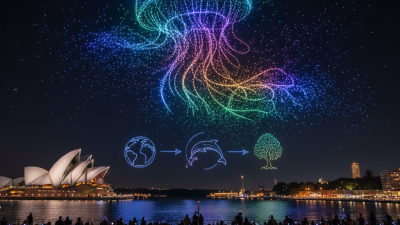
To truly engage viewers, unique themes and storytelling elements are essential. A drone air show should evoke emotions and spark imaginations. While innovation drives the industry, reflection on past performances can lead to improvement. Learning from mistakes and audience feedback is crucial for success. Embrace the journey of creating unforgettable drone air shows, where every flight tells a story.
Understanding the Basics of Drone Air Show Performances
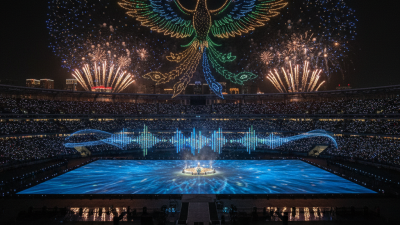
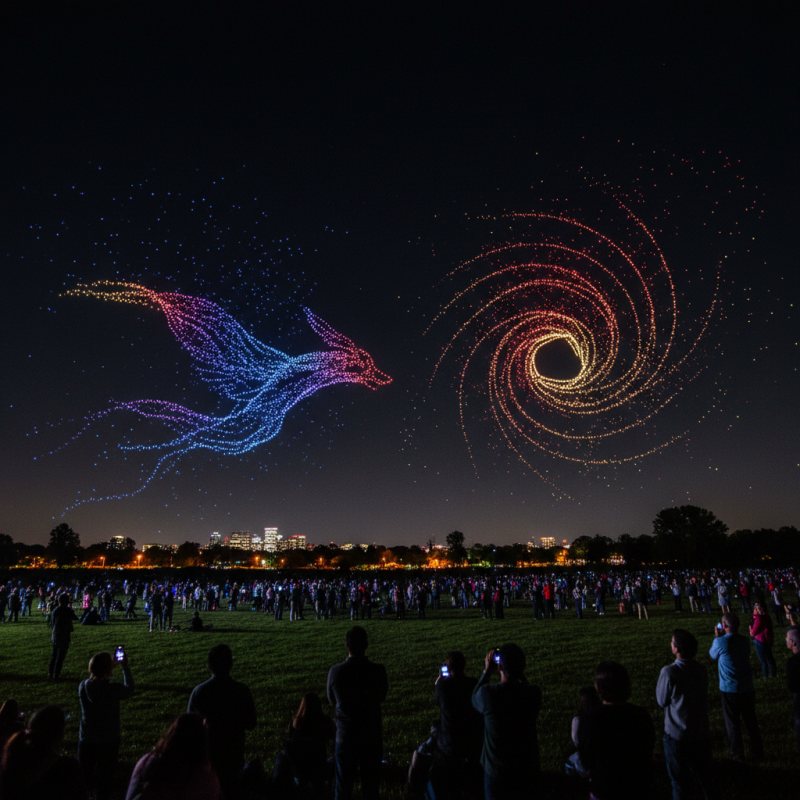
Drone air shows are an exciting blend of technology and artistry. Understanding the basics is crucial for creating captivating performances. Drones can fly in intricate formations and execute precise maneuvers. It's important to know the capabilities and limitations of each drone. Not all drones are created equal in terms of agility and speed.
The audience loves seeing stunning visuals. Consider incorporating bright lights and vibrant colors. These elements can enhance the spectacle. However, it's essential to practice maneuvers repeatedly. Mistakes can occur, and they often do. By evaluating past performances, you can learn and improve. Remember, timing and synchronization matter. Disparate movements can disrupt the flow.
Safety is paramount during any performance. Be aware of the environment and weather conditions. Drones can malfunction unexpectedly, leading to potential hazards. Regular maintenance checks are vital for reliability. Performances should always prioritize safety over spectacle. A captivating show should not come at the cost of safety. It’s all about finding a balance that resonates with the audience.
10 Tips for Captivating Drone Air Show Performances
| Tip Number |
Tip Description |
Key Considerations |
Performance Duration |
| 1 |
Choose a Theme |
Align drones' actions to a cohesive story |
5-10 minutes |
| 2 |
Synchronize Lights and Movement |
Use dynamic lighting for impact |
10-15 minutes |
| 3 |
Keep the Audience Engaged |
Incorporate audience interaction |
Variable |
| 4 |
Utilize Innovative Technology |
Adopt the latest drone tech for stunts |
15-20 minutes |
| 5 |
Plan Flight Paths |
Create smooth and exciting trajectories |
5-10 minutes |
| 6 |
Timing is Crucial |
Ensure synchronization with music or narration |
10-15 minutes |
| 7 |
Safety First |
Follow regulations and safety precautions |
Ongoing |
| 8 |
Provide Commentary |
Enhance understanding of performance |
Throughout the show |
| 9 |
Incorporate Special Effects |
Use smoke, fireworks, or lasers |
10-20 minutes |
| 10 |
Consider Weather Conditions |
Plan for potential weather disruptions |
Variable |
Key Safety Considerations for Drone Air Show Participants
Drone air shows are thrilling events that captivate audiences. However, ensuring safety is crucial for both participants and spectators. Before any performance, it’s vital to check all equipment. This includes battery levels, propeller condition, and software updates. A simple oversight could lead to accidents.
Communication among participants is key. Everyone should know their roles and follow a specified plan. Clear signals help maintain order during intricate maneuvers. If someone feels uncertain, they should speak up. Don’t let fear of embarrassment lead to mistakes.
When it comes to the venue, space matters. It’s essential to select an area free from obstacles and people. Even small distractions can lead to crashes. Always maintain a safe distance from spectators. Remember, safety is not just a guideline; it’s a responsibility.
Finally, have a first aid kit on hand. Accidents happen, and it’s better to be prepared. Throughout the preparations and performances, constantly reflect on safety practices. This helps foster a safe environment where everyone can enjoy the spectacle.
Innovative Lighting Techniques to Enhance Drone Visuals
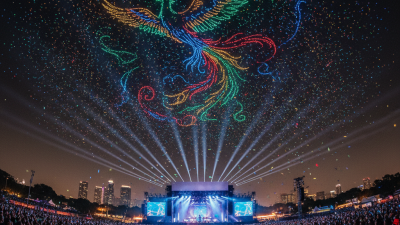
Innovative lighting techniques can transform a drone air show. By using vibrant colors and dynamic patterns, creators can enhance visual impact. LED lights are often the go-to choice. They are energy-efficient and can create stunning visuals. Different colors can evoke various emotions in viewers. For example, red can signify excitement, while blue can create calmness.
Incorporating synchronized light shows is vital. Timing is critical for a cohesive performance. However, achieving perfect synchronization can be challenging. Sometimes, drones might not align as intended. Testing and rehearsing is essential to minimize such issues. Also, layering light effects can add depth. Imagine drones weaving through beams of light, creating an ethereal atmosphere. That visual complexity captures audience attention.
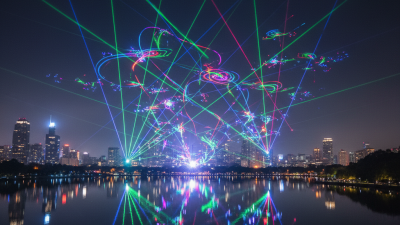
Consider experimenting with unconventional light sources. Lasers, for instance, can create sharp, eye-catching visuals. They can pierce through the night sky, leaving trails behind. However, using lasers responsibly is crucial. Safety should always come first. The creative possibilities are endless, but there’s always room for improvement. Reflecting on past performances can guide future enhancements. Innovation demands constant evaluation and adaptation.
Leveraging Data Analytics for Audience Engagement in Drone Shows
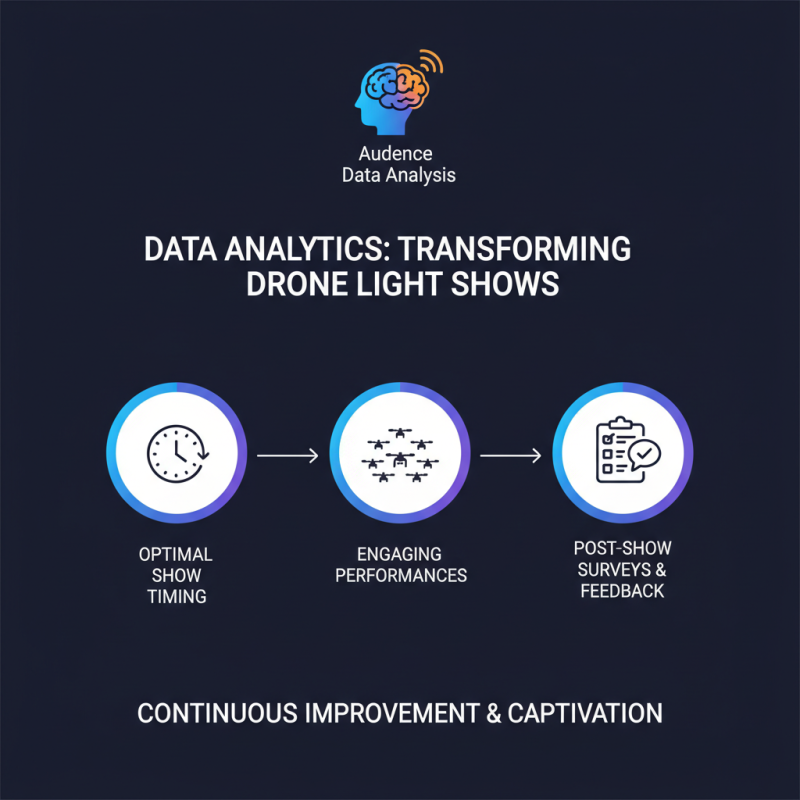
Data analytics can transform drone air shows into captivating experiences. By analyzing audience data, organizers can gain insights into spectator preferences. Knowing the best time to perform ensures that pilots maximize attention. Using surveys after shows can reveal which performances resonate most. This feedback loop is essential for improvement.
Engaging the audience requires more than just flight patterns. Mood analysis based on social media activity can inform the choreography. Real-time data can adjust performances based on crowd reactions. If the audience seems more excited with certain visuals, adapting in real time can elevate the show. However, relying heavily on data may lead to overthinking. Sometimes, spontaneity is what makes a show memorable.
Another aspect to consider is accessibility of data. Not all event organizers have resources for deep analysis. Tracking high-level statistics is a start, but deeper insights could be elusive. Focusing on the audience’s immediate reactions during shows might be a challenge without sophisticated tools. Still, trying different data collection methods can yield valuable insights. Balancing analytics with creativity will ultimately lead to an unforgettable experience for everyone.
Best Practices for Coordinating Large-Scale Drone Performances
Coordinating large-scale drone performances requires meticulous planning and attention to detail. According to a report from the Drone Industry Association, the drone show market is expected to grow to $1.5 billion by 2025. This growth emphasizes the need for effective coordination among teams. Organizers must be aware of airspace regulations, weather conditions, and technical requirements. Missing even one detail can lead to disastrous results.
Effective communication is crucial. All team members should be on the same page. Regular briefings keep everyone informed, reducing the risk of misunderstandings. A common mistake is assuming everyone understands their roles. In a recent analysis, 30% of drone show failures were linked to poor coordination.
Additionally, having a solid backup plan is essential. Technical glitches can occur at any time. It’s vital to prepare for the unexpected. For instance, one high-profile show had to be canceled due to unexpected weather changes. Drone performance must be adaptable. Flexibility can save the day, allowing for last-minute adjustments. Balancing ambition with practicality is key.