How to Organize a Stunning Drone Formation Show?
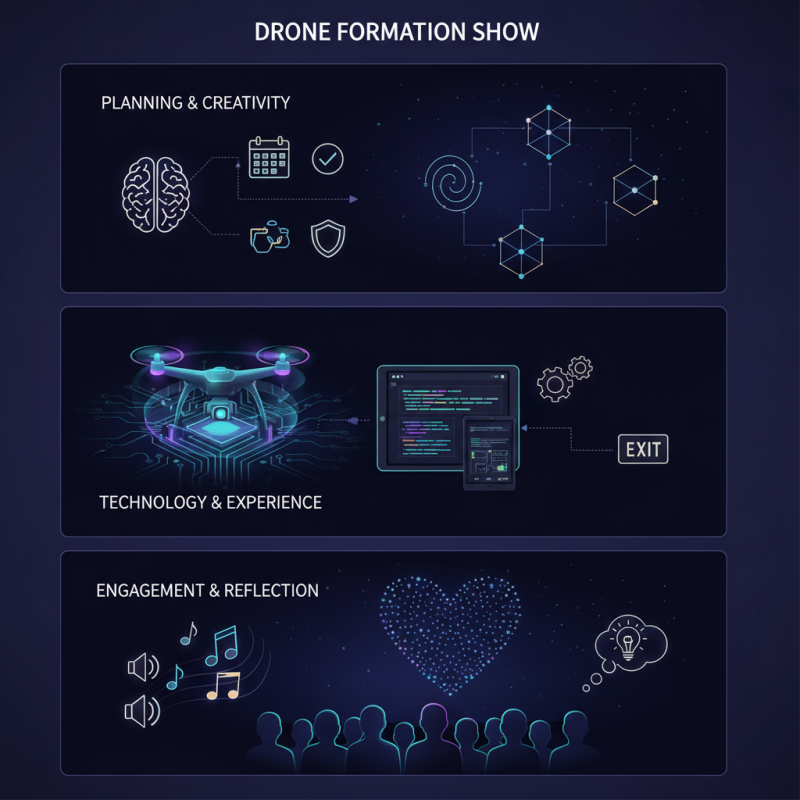
Organizing a stunning Drone Formation Show requires meticulous planning and creativity. It’s not just about flying drones; it's about crafting an artistic experience. Each drone must synchronize perfectly with others to create mesmerizing shapes and patterns in the night sky. Planning is essential, as the show must be both captivating and safe.
Experience is critical when organizing a Drone Formation Show. Understanding the capabilities of the drones is key. They can be programmed for complex movements, but software glitches can occur. Having a backup plan mitigates risks and ensures a smooth performance. Additionally, choosing the right location highlighs the visual impact of the show.
Engaging the audience matters as well. The story behind the show can enhance its emotional connection. Music selection adds another layer of depth, creating a memorable experience. Reflecting on past shows reveals areas for improvement. Continuous learning from each event fosters growth in drone performance. A successful Drone Formation Show combines art, technology, and human connection, leaving the audience in awe.
Understanding the Basics of Drone Formation Shows
Drone formation shows are becoming increasingly popular. Understanding the basics is essential for anyone interested in this captivating display. According to a report by the Association for Unmanned Vehicle Systems International (AUVSI), the drone show industry is projected to reach $1.3 billion by 2025. This growth illustrates the rising interest in combining technology with artistry.
The key to an impressive drone formation show lies in mastering the technology. Individual drones must communicate seamlessly. A study published in the Journal of Field Robotics highlights that drones operating in synchronized formations require robust data links and precise GPS systems. Implementing these technologies introduces complexities that must be managed efficiently. Inaccurate positioning can lead to collisions or poorly executed patterns.
Moreover, planning the choreography is crucial. Design teams must carefully map out movements and shape transitions. Challenges arise as the number of drones increases. Simulations can help, but they can never replace real-world trials. An effective show often demands compromises. Sometimes, what looks good in theory fails in execution. Continuous testing and refinement are vital to overcome these pitfalls. Understanding these foundational aspects empowers teams to create breathtaking displays that captivate audiences.
Drone Formation Show Data Analysis
Choosing the Right Drones for Your Show
When organizing a stunning drone formation show, choosing the right drones is crucial. According to a report by Drone Industry Insights, the commercial drone market is expected to reach $43 billion by 2024. This growth highlights the importance of selecting drones that can deliver high performance and reliability during dynamic shows.
Consider the weight and payload capacity of the drones. Drones designed for light shows often weigh less and possess advanced LED technology. This allows for vivid colors and intricate patterns. For large-scale events, high endurance and robust communication systems are essential. Reports indicate that drones with enhanced battery life can operate for over 30 minutes, providing flexibility in choreography.
However, not all drones are created equal. Some may struggle with stability in windy conditions. Testing various models in different environments is vital. Also, consider regulatory compliance. Local laws may affect the choice of drones for public displays. Ensuring that your show meets these requirements is the foundation of reliability and safety.
Planning the Choreography and Patterns
Planning a stunning drone formation show requires careful choreography and precise patterns. Each drone must move in sync to create a visual masterpiece. Start by defining the theme of your show. Consider light displays, storytelling, or abstract designs. A clear vision will guide your choreography.
Next, break the performance into sections. Each segment should build on the previous one. Use different formations to keep the audience engaged. For example, triangles can signify unity, while spirals might represent transformation. Visualize how drones will position themselves in relation to one another. Sketching these patterns on paper can help clarify your vision.
Testing is crucial. Practice sessions often reveal challenges that need addressing. Drones may not respond as expected. Adjustments may be necessary, even if they seem minor. Reflecting on each rehearsal can improve the overall choreography. Collaboration is also essential; seek input from your team. Embracing these imperfections is part of the creative process, allowing you to refine your performance into something truly stunning.
Setting Up Safety Protocols and Regulations
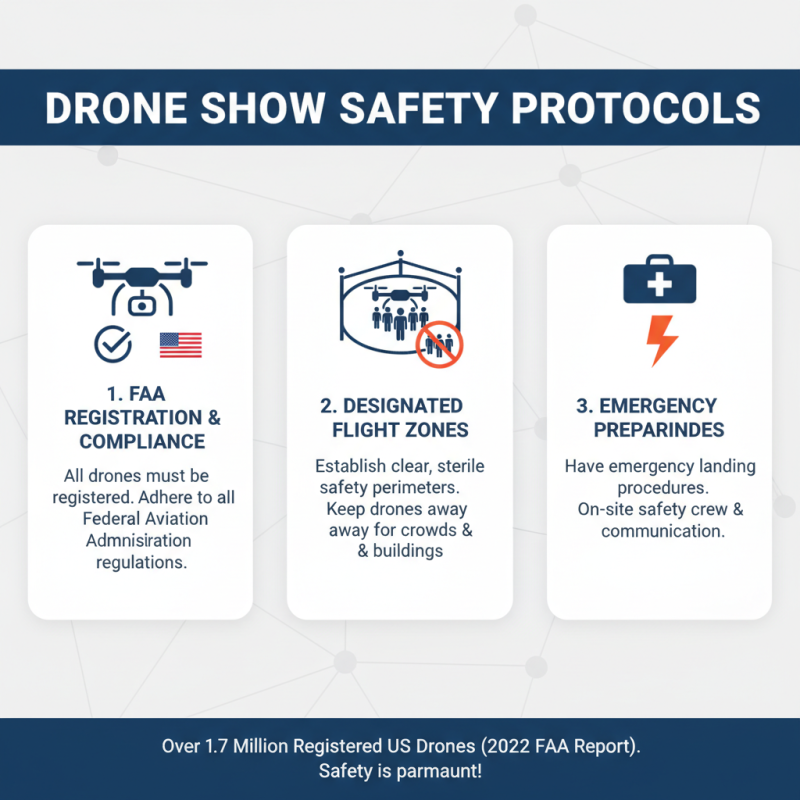
Organizing a stunning drone formation show requires careful consideration of safety protocols. According to a 2022 report by the Federal Aviation Administration (FAA), over 1.7 million registered drones exist in the United States. With this rise in popularity and usage, safety regulations become paramount. Events must lay out clear safety zones, ensuring that drones operate away from crowded areas.
Effective communication is crucial. Each operator should be equipped with headsets to receive real-time updates. This minimizes the risks of collisions. A report from the Association for Unmanned Vehicle Systems International indicates that nearly 45% of drone incidents occur due to miscommunication among pilots. This highlights the need for organizing a well-planned communication strategy before the show begins.
Moreover, establishing a risk assessment plan is essential. Organizers often overlook potential hazards, such as weather conditions and malfunctioning equipment. Regular maintenance checks help mitigate these risks. With an estimated 55% of drone accidents resulting from technical failures, proactive measures are necessary. Identifying and addressing these aspects not only enhances safety but also boosts the overall quality of the drone show.
Technological Considerations for a Flawless Performance
When organizing a stunning drone formation show, technological considerations play a vital role. The coordination between drones must be impeccable. Research shows that using advanced GPS technology can enhance accuracy. A 2022 report indicated that drone shows can achieve 98% synchronization when proper navigation systems are utilized. This precision leads to smoother transitions and stunning visual effects.
The choice of drone type is equally crucial. Selecting lightweight models can improve performance during the show. According to industry experts, drones weighing less than 1.5 kg are ideal for mass formations. They maneuver easily and reduce energy consumption. However, the reliance on battery power poses challenges. A typical drone can fly for only 20-30 minutes. Planning shows that last longer requires meticulous battery management.
Environmental factors cannot be ignored. Weather conditions can drastically affect performance. Strong winds can disrupt a formation, leading to an uncoordinated display. A significant number of drone shows are canceled due to adverse weather. Organizers should always have backup plans. Despite advancements, there’s still room for improvement in reliability. Continuous testing and adjustments are essential for flawless execution.