How to Organize a Sky Drone Show in 2026?
Organizing a Sky Drone Show in 2026 presents unique challenges and exciting opportunities. Renowned industry expert Dr. Emily Carter emphasizes, "The key to a successful Sky Drone Show lies in meticulous planning and innovative storytelling." Her insights resonate deeply within this evolving field.
As drone technology advances, organizers must embrace cutting-edge techniques and creativity. The integration of lighting and synchronized choreography can transform a simple show into an unforgettable experience. However, many organizers struggle with balancing technical details and artistic vision. This often leads to oversights that can undermine the entire event.
Attendees crave captivating narratives that resonate emotionally. Focusing solely on drone performance may overlook this essential aspect. Continuous reflection on audience engagement is crucial for enhancement. In the end, a successful Sky Drone Show is not just about drones; it's about the magic they create in the sky.

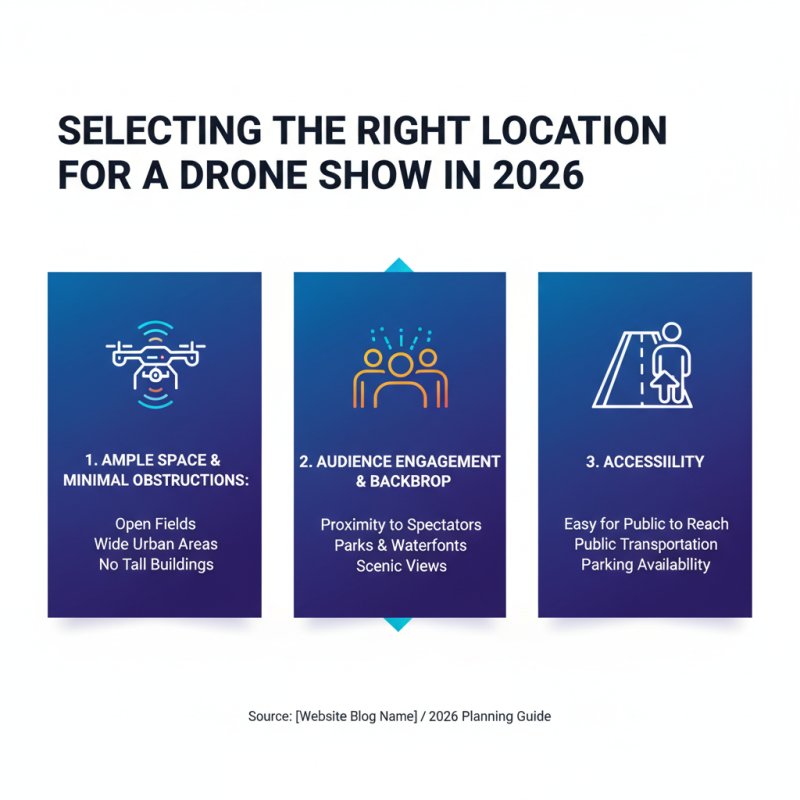
Selecting the Right Location for a Drone Show in 2026
Selecting the right location for a drone show in 2026 is crucial for its success. The chosen site should have ample space for drones to fly safely. Look for open fields or wide urban areas with minimal obstructions. Proximity to the audience enhances engagement. A location near parks or waterfronts can create a stunning visual backdrop. However, accessibility matters too. Ensure the site is easy for spectators to reach.
Consider zoning regulations and permits. Local guidelines can affect your choice. Some areas may have strict rules about drone usage. Research these regulations thoroughly. Take into account the weather patterns for your chosen timeframe. Rain or strong winds can disrupt shows. Opt for locations with a history of favorable weather during late spring or summer.
Safety must be a priority. Always have emergency measures in place. Think about crowd control and traffic flow. Evaluate the layout of the venue to ensure everyone has a good view. Lighting is also essential for evening shows. Natural light can enhance the display, but proper artificial lighting can ensure visibility. Conduct a test run if possible. It can highlight any flaws in your preparation.
Understanding Permits and Regulations for Drone Events
Organizing a sky drone show requires careful attention to permits and regulations. The first step is to research local laws about drone usage. Each area may have unique requirements. It's essential to understand airspace restrictions and safety protocols. Compliance with these regulations ensures not only safety but also the success of the event.
Local authorities often require specific permits for drone shows. Application processes can vary significantly. Start early to avoid delays. Be prepared to provide detailed plans, including flight paths and safety measures. Engaging with aviation officials can streamline this process. Their expertise can guide you in addressing potential challenges that may arise.
In addition to permits, consider environmental factors. Weather can greatly influence drone operations. Develop contingency plans for various scenarios, especially inclement weather conditions. A well-thought-out approach can enhance the reliability of your show. Engaging with teams experienced in drone events can provide insights. They can help anticipate issues and refine your planning process.
How to Organize a Sky Drone Show in 2026? - Understanding Permits and Regulations for Drone Events
| Aspect |
Details |
| Event Location |
City Park, New York |
| Date |
July 15, 2026 |
| Expected Attendance |
5,000 people |
| Drone Type |
Multi-rotor drones |
| Required Permits |
FAA Remote Pilot License, Local Event Permit |
| Insurance |
Public Liability Insurance Coverage |
| Rehearsal Time |
July 14, 2026 |
| Local Regulations |
Compliance with NYC Drone Regulations |
Choosing the Appropriate Technology and Equipment for Drones
Organizing a sky drone show requires the right technology and equipment. Choosing drones with strong flight capabilities is vital. Look for drones that can perform well in various weather conditions. Flight duration is crucial; select models that can stay airborne for at least 20 minutes.
Control systems are equally important. A reliable GPS for navigation ensures that formations are precise. The software used for programming the show should be user-friendly. Some systems offer complex animations, which can enhance the show’s appeal. However, ensure that your team has expertise in using this technology.
Lighting is a key element. LED lights can create stunning visuals in the night sky. Opt for drones that can carry high-quality lights. Experiment with different color combinations for impactful displays. Remember, testing is key. Don’t hesitate to run trials before the actual event. This helps identify potential flaws and improve overall performance.
Drone Technology Utilization in Sky Shows (2026)
Building a Safety and Emergency Response Plan for Drone Operations
Organizing a sky drone show involves meticulous planning, especially regarding safety. Developing a comprehensive safety and emergency response plan is crucial. Start by identifying potential risks associated with drone operations. Weather conditions, technical malfunctions, and audience safety must be considered. Each drone operation should have guidelines in place to address these challenges effectively.
Training personnel is vital for implementing the safety plan. Ensure all operators are well-versed in emergency protocols. Hold regular drills to prepare for different scenarios, such as equipment failures or severe weather changes. Additionally, establish clear communication channels among staff during the show. This ensures rapid response and minimizes chaos during emergencies.
Engaging with local authorities enhances your plan's credibility. Collaborate with first responders and local law enforcement. Their expertise can inform your safety measures. However, it’s important to recognize that no plan is perfect. Continuous evaluation and adjustment are necessary. Gathering feedback after each event helps refine processes and improves future shows. This iterative approach demonstrates commitment to safety and builds community trust.