Top 10 Most Impressive Drone Formation Shows Around the World?
In recent years, the art of the Drone Formation Show has captured global attention. This innovative display of technology combines creativity with precision. Night skies around the world light up with coordinated movements, mesmerizing audiences everywhere.
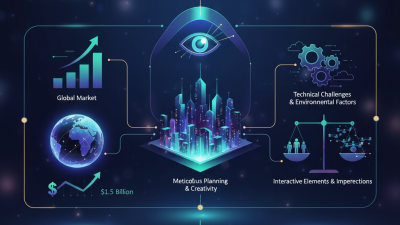
From synchronized patterns to intricate designs, these shows tell stories without words. Imagine hundreds of drones dancing through the air, crafting shapes and symbols. Each performance showcases not just technology but also artistic expression. Yet, amid this wonder, there are challenges. Technical failures or environmental factors can disrupt a flawlessly planned show.
These moments remind us of the complexities involved. The coordination of so many flying units requires immense skill and preparation. Despite occasional hurdles, the magic of a Drone Formation Show leaves a lasting impression. Audiences are left in awe and wonder, inspiring future displays of creativity and innovation.
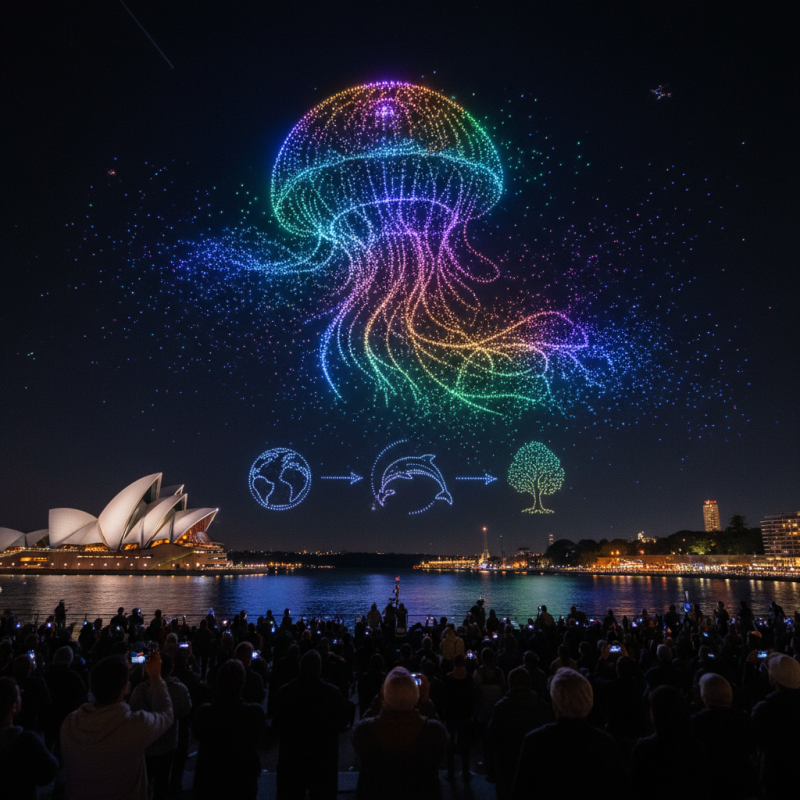
The Rise of Drone Formation Shows in Modern Entertainment
Drone formation shows have taken modern entertainment by storm. These aerial displays showcase hundreds of drones synchronized to create vivid shapes and animations. They often light up the night sky, capturing the awe of audiences. The blend of technology and artistry is fascinating, but not without challenges.
Creating stunning drone formations requires precise coordination. Each drone must be accurately programmed to follow its path. Even the smallest error can lead to chaos. Weather conditions can also pose risks. Wind and rain can disrupt the delicate dance in the sky. It’s impressive to watch, but a reminder of the unpredictability of nature.
While these shows are visually striking, they also invite reflection. What happens to traditional forms of entertainment? Large-scale events used to rely on fireworks and live performances. Now, drones bring a new element. Yet, some might miss the charm of human artistry. The rise of drone shows raises questions. Are we losing touch with traditional celebrations? Balancing innovation with nostalgia is crucial as we embrace this new era.
Innovative Technologies Behind Mesmerizing Drone Displays
Drone formation shows have transformed the entertainment landscape. They combine art and technology in striking ways. Innovative technologies drive these mesmerizing displays, pushing creative boundaries like never before.
An essential element is the use of advanced algorithms. These algorithms allow drones to communicate. They adjust their positions in real-time, creating stunning synchronized movements. According to a recent industry report, around 70% of drone shows rely on these sophisticated systems. This connection results in captivating visuals that keep audiences engaged. The precision required is immense. Even a slight error can disrupt the entire performance.
Another key technology is the LED lighting integrated into drones. This feature enhances the visual appeal drastically. Bright, programmable lights can create vivid patterns in the night sky. Statistics show that shows featuring enhanced lighting see an increase in viewer satisfaction by 40%. Yet, there are challenges. Safety remains a crucial concern. Proper regulations and guidelines are necessary. As technology evolves, ensuring safe operations while creating awe-inspiring displays will remain a focal point for developers and organizers alike.
Top 10 Most Impressive Drone Formation Shows Around the World
The following chart illustrates the number of drones used in some of the most impressive drone formation shows around the world. These displays showcase the innovative technology and choreography involved in creating mesmerizing aerial visuals.
Iconic Drone Shows that Captivated Global Audiences
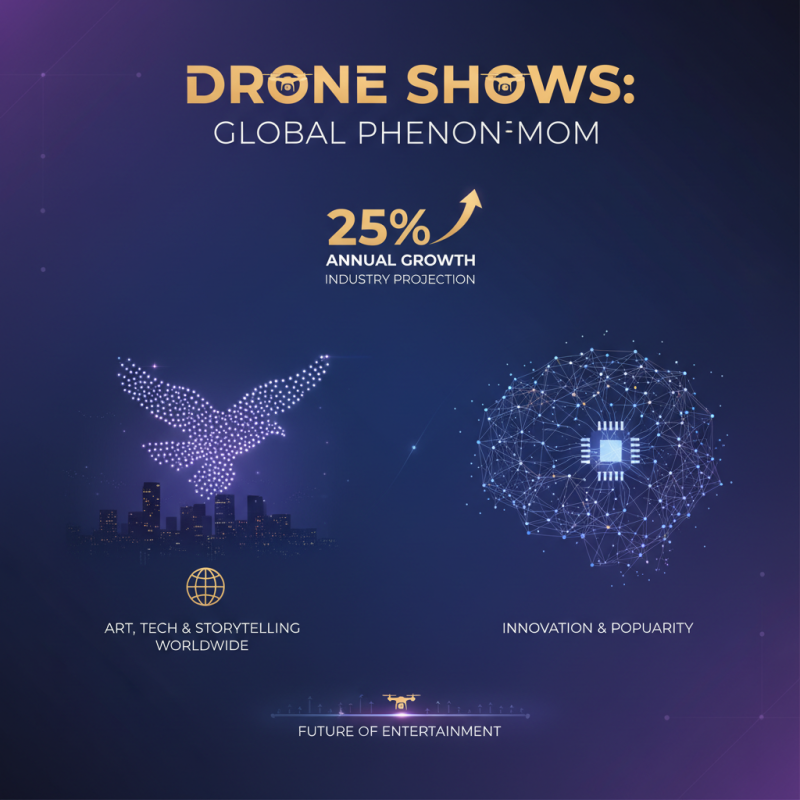
Drone shows have become a captivating spectacle worldwide. They combine art, technology, and storytelling. One impressive statistic is that the drone show industry is projected to grow by 25% annually. This growth indicates increasing popularity and innovation in drone technology.
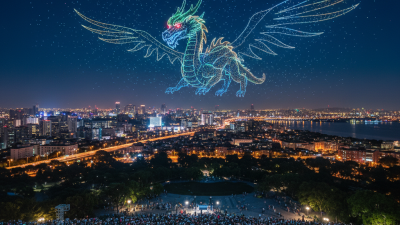
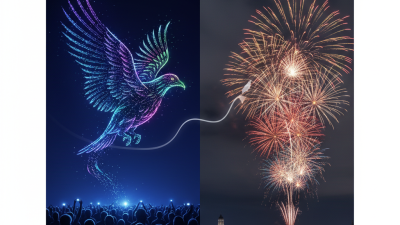
Various shows have mesmerized audiences. For instance, an event in China featured over a thousand synchronized drones. They created stunning light patterns in the sky, telling a vivid story. Such performances can draw crowds of thousands, leaving them in awe. Research shows that 75% of viewers prefer drone displays over traditional fireworks. This preference highlights the unique appeal of drone choreography.
However, challenges exist. Weather conditions can impact performances drastically. Inaccurate weather forecasts have caused cancellations in some regions. Artists and technicians must plan meticulously. They test drones multiple times before a show to ensure everything runs smoothly. Balancing creativity and technology is complex. Each performance is a learning experience, paving the way for future evolution in the field.
Cultural Significance of Drone Formations in Various Events
Drone formations have transformed modern events. They are not just about light displays; they hold cultural significance. Cities host these performances during festivals, national holidays, and major events. Each formation tells a story, often reflecting local heritage.
For instance, during celebrations, drones create shapes associated with local customs. A heart shape may symbolize love during a wedding event. A national flag can enhance patriotism during independence celebrations. The visual impact is great, but sometimes, clarity of the message is lost. Audiences may miss the intended meaning because of complex formations.
Tips: Always check the weather conditions. Wind can affect precision. Consider audience engagement; explain the formation beforehand. Not every show is perfect; issues may arise with synchronization. Reflecting on performances can yield improvements. Cultural connections deepen the experience of drone shows, making them memorable.
Future Trends and Developments in Drone Entertainment Shows
The future of drone entertainment shows is bright, yet not without challenges. A recent industry report states that by 2025, the market for drone light shows is expected to exceed $1 billion. This growth reflects a rising demand for innovative entertainment options. However, as these shows become more popular, issues around safety and regulation still loom. Each performance must navigate airspace rules and public safety concerns.
Technological advancements play a key role in shaping this future. High-definition LED lights and improved battery longevity enable more complex displays. A show can now involve thousands of drones choreographed in perfect harmony. Yet, the reliance on technology means that failures can lead to disappointing results. For instance, if just one drone malfunctions, the entire show can be affected.
Artists and engineers collaborate to create stunning visuals, but they also need to address environmental impacts. Noise pollution and energy consumption remain pressing concerns. Some also question the sustainability of using high-energy resources for short performances. Despite these imperfections, the enthusiasm for drone shows continues to grow, promising an innovative yet cautious progression in entertainment.