What is a Light Drone Show and How Does it Work?
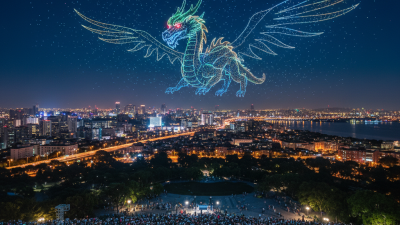
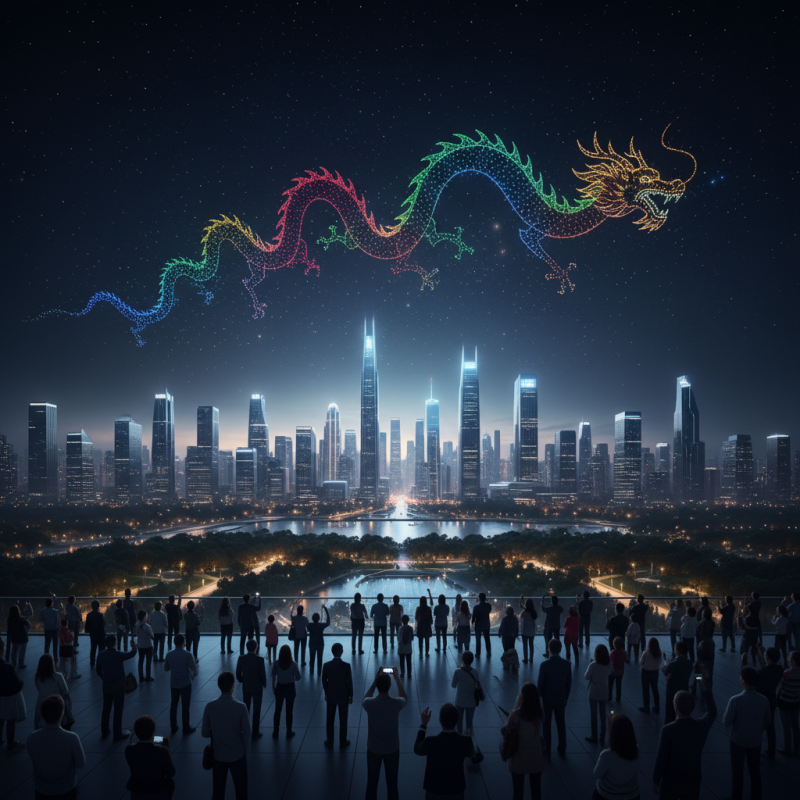
A Light Drone Show is an exciting blend of technology and artistry. It uses swarms of drones equipped with LED lights to create stunning aerial displays. James Martin, a leading expert in drone technology, once stated, "Light Drone Shows can ignite our imagination and redefine entertainment." This innovative spectacle captivates audiences, transforming the night sky into a canvas of vibrant colors and intricate patterns.
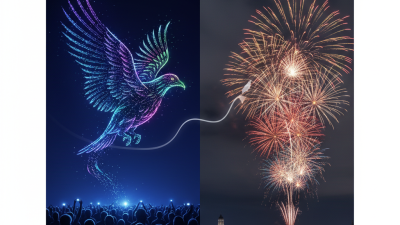
As technology advances, Light Drone Shows are becoming more popular. They replace traditional fireworks, offering a safer and more environmentally friendly alternative. The drones are programmed to coordinate movements with precision. However, challenges arise in ensuring synchronization among a large number of drones. Despite these challenges, the magical effects they create are undeniable.
The entertainment landscape is evolving with Light Drone Shows. Yet, there are moments of unpredictability. Weather conditions can impact performance and audience experiences. Reflecting on these aspects can help us appreciate the complexity of this art form. The journey is just beginning as we explore various possibilities within the world of Light Drone Shows.
Definition and Overview of Light Drone Shows
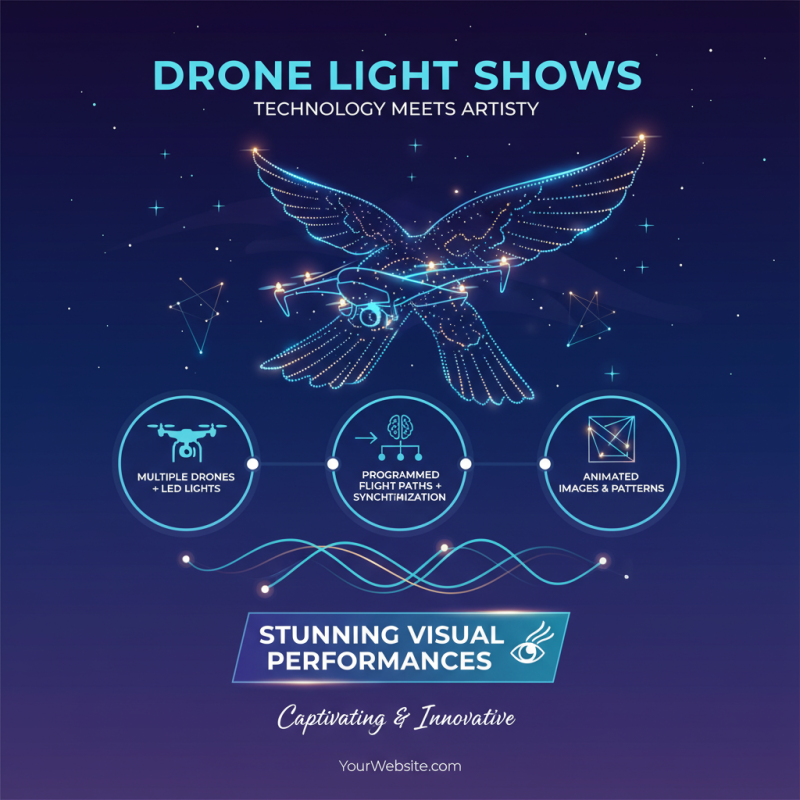
Light drone shows are a fascinating blend of technology and artistry. These displays use multiple drones equipped with LED lights to create stunning visual performances. Each drone is programmed to follow precise flight paths. When synchronized, they form animated images or patterns in the night sky. The results are often breathtaking and captivating.
During a typical show, operators set up a simple command system. They manage the drones and control their movements in real-time. The complexity of these shows lies in the choreography. Each drone must maintain a specific distance from others. An error can lead to collisions or missed formations. The balance between creativity and technical precision is crucial. The aim is to evoke emotions and tell stories without any words.
Challenges can arise when weather conditions change. Wind can disrupt the flight paths, causing unpredictability. Battery life also plays a vital role. Drones can only perform for a limited time. Mastering these elements requires continuous practice and innovation. The technology is evolving, but there is still room for improvement. Adjustments are often necessary to enhance the overall experience.
Technological Components Involved in Light Drone Shows
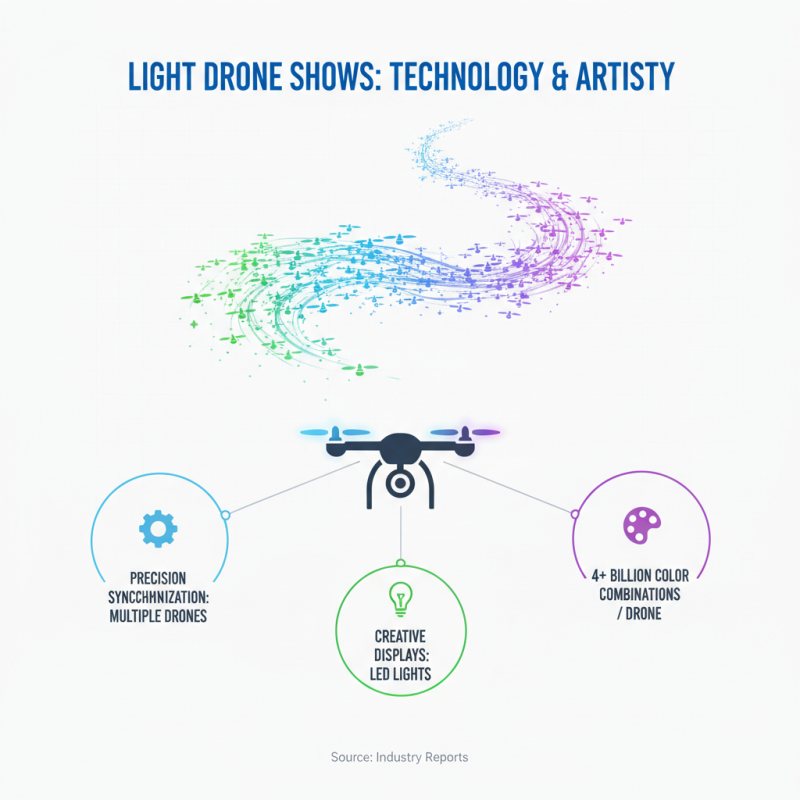
Light drone shows combine technology, creativity, and precision. These shows utilize multiple drones, each equipped with LED lights. The synchronization of these drones creates captivating visual displays. According to industry reports, a single light drone can produce over 4 billion color combinations. That's impressive and highlights the potential for creativity.
The key technological components involved in these shows include GPS, real-time communication systems, and advanced flight control algorithms. Drones operate via a network, ensuring precise positioning. Each drone receives commands simultaneously, enabling coordination. A well-designed show can involve hundreds of drones working in unison. However, challenges exist, such as battery limitations and environmental factors affecting performance.
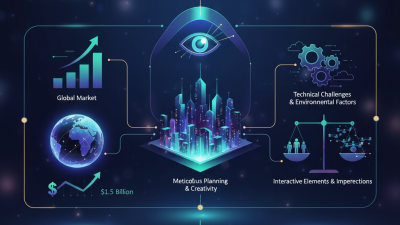
Moreover, maintaining synchronization is crucial. Any delay can disrupt the entire show. Operators continuously seek improvements in software and hardware. Innovations in drone capabilities are essential for better aerial performances. Data suggests that the market for light drone shows is expected to grow significantly, but some technical issues must be addressed.
The Process of Planning and Executing a Light Drone Show
Planning a light drone show involves several key steps. The process begins with defining the event's objectives and theme. Collaborating with stakeholders is crucial. Depending on the complexity, it may take weeks or even months to finalize the plans. This stage often includes coordinating with local authorities to ensure compliance with regulations. Reports suggest that about 40% of shows face delays due to these factors.
Next, the technical aspects come into play. Choosing the right drones is essential. A high-quality drone can have a payload capacity of up to 2 kilograms. This allows for the inclusion of advanced lighting systems. Additionally, software for choreography must be selected carefully. It's common for creators to underestimate the time needed for programming. Nearly 30% of teams encounter challenges during this stage, resulting in rushed or poorly executed performances.
Finally, rehearsals are vital. These allow teams to refine their choreography and troubleshoot issues. Industry data indicates that shows with multiple rehearsals have a 70% higher success rate. However, even with thorough preparation, variables like weather can disrupt plans. Reflecting on previous shows reveals the importance of adaptability and contingency planning. The unpredictability can lead to valuable learning experiences in creating a flawless display.
Safety Measures and Regulations for Light Drone Displays
Light drone shows have become a popular spectacle. However, safety measures are vital to ensure these displays do not pose risks. Drones can fly high and fast, making their operation challenging. If not managed well, they can cause accidents.
Regulations are in place to ensure a safe environment during these shows. Operators must follow guidelines for flight paths and altitude limits. They should avoid populated areas and monitor wind conditions closely. Moreover, drone pilots need proper training. Without it, the likelihood of mishaps increases. Despite precautions, human error remains a concern.
Coordination with local authorities is also crucial. Permits may be required for organized events. Authorities can help manage crowd safety and control airspace. Community engagement is beneficial. Attendees should be informed about safety protocols. Ensuring everyone understands these measures adds another layer of security. Performing shows without careful planning can lead to chaos. Reflection on past incidents can help improve future events.
What is a Light Drone Show and How Does it Work?
| Aspect |
Details |
| Definition |
A synchronized aerial display of light-emitting drones that create visual spectacles in the sky. |
| Technology Used |
LED lights, GPS, real-time communication systems, and advanced flight software. |
| Execution |
Drones are programmed and choreographed to perform specific aerial maneuvers and light patterns. |
| Safety Measures |
Pre-flight checks, maintaining a safe distance from crowds, auto-return features, and emergency protocols. |
| Regulations |
Compliance with local drone regulations, airspace management, and obtaining necessary permits. |
| Applications |
Entertainment at events, advertising, and enhancing tourism attractions. |
| Benefits |
Eco-friendly alternative to fireworks, creates unique experiences, and allows for creativity in displays. |
Applications and Future Trends in Light Drone Entertainment
Light drone shows are becoming increasingly popular in entertainment. These shows use multiple drones equipped with LED lights to create stunning visual displays. They have the potential to transform large events into unforgettable experiences. Concerts, festivals, and corporate events are prime venues for these captivating performances.
Looking ahead, the applications of light drone shows will continue to expand. They could be used in sporting events, holiday celebrations, and even art installations. However, challenges remain in terms of regulation and safety. Airspace management is one concern that needs attention. As technology evolves, so will the need for strict guidelines. The balance between creativity and safety is crucial for the future of this art form.
Additionally, audiences crave unique experiences. A drone show can captivate viewers in ways traditional fireworks cannot. Yet, the planning and coordination of these shows require significant effort. Teams must communicate effectively to synchronize drone movements. Mistakes can lead to confusion and detract from the overall impact. As the industry grows, finding innovative solutions will be vital for success.
Light Drone Show Applications and Trends
This chart presents the applications and trends in the light drone entertainment industry over the last few years. The data reflects the increasing adoption of light drone shows in various sectors, showcasing their versatility and growing popularity.