What is a Drone Swarm Light Show and How Does it Work?
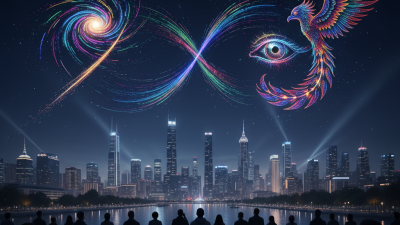
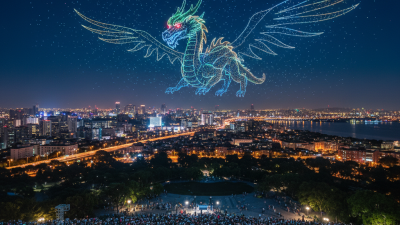
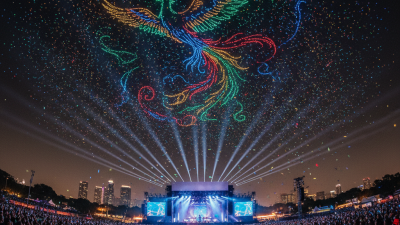
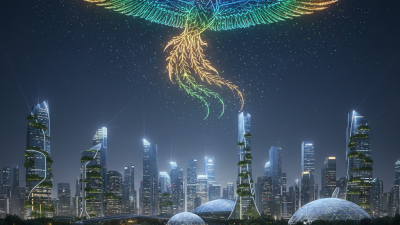
The Drone Swarm Light Show is revolutionizing the entertainment industry. This innovative technology combines hundreds or thousands of drones. They move in sync to create stunning visual displays in the night sky.
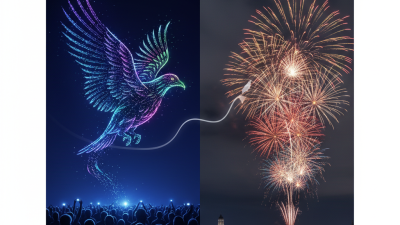
According to a recent industry report by MarketsandMarkets, the global market for drone light shows is expected to grow from $40 million in 2022 to over $800 million by 2027. This dramatic growth reflects increasing demand for unique event experiences. Cities, festivals, and corporations are exploring drone swarms as an exciting alternative to traditional fireworks.
However, challenges exist. Ensuring safety remains a primary concern. The potential for mid-air collisions or technical failures poses risks. Moreover, regulatory frameworks are still catching up with the rapid advancements in technology. As the industry matures, these issues will require careful consideration. Despite these hurdles, the future seems bright for the Drone Swarm Light Show, promising endless creativity and innovation.
What is a Drone Swarm Light Show?
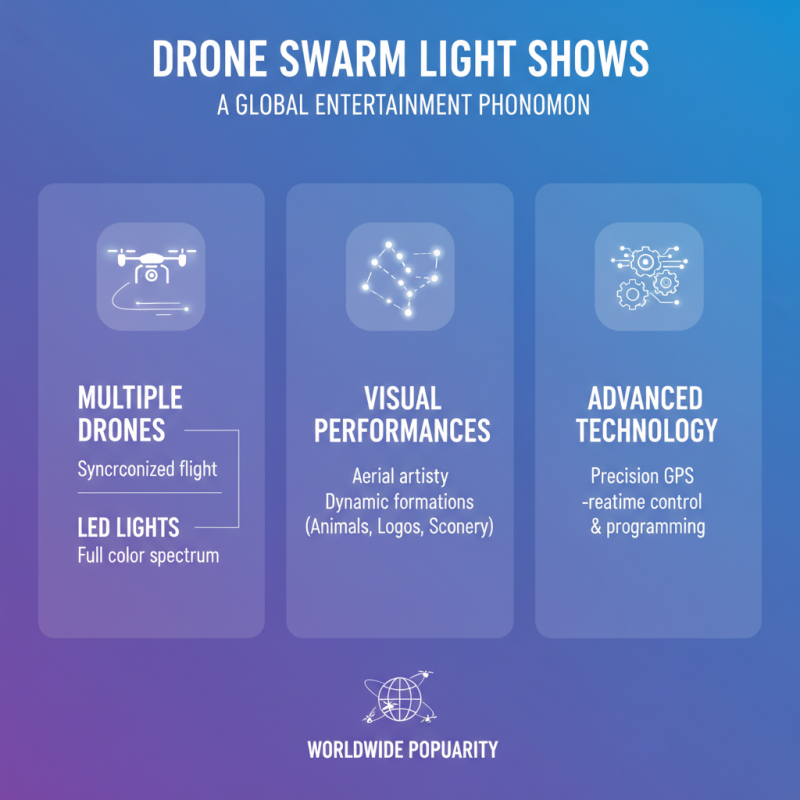
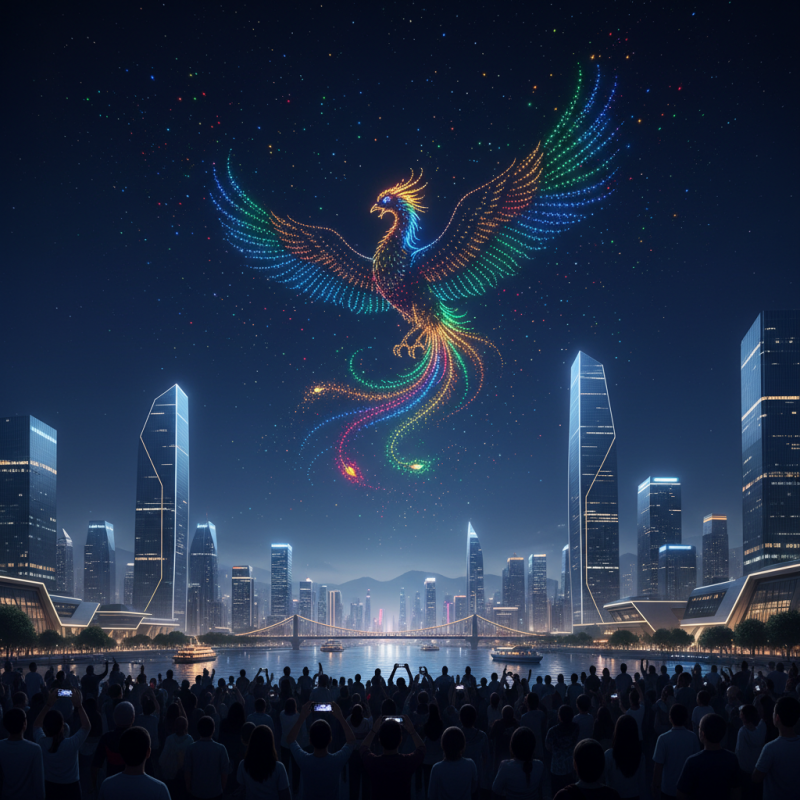
A drone swarm light show is a mesmerizing display of coordinated flying drones that create stunning visual effects in the night sky. These shows utilize multiple drones equipped with LED lights. Each drone follows a pre-programmed flight path, allowing for intricate choreography. According to a recent industry report, the drone show market is expected to reach $1.5 billion by 2025. This growth showcases the increasing demand for innovative entertainment forms.
The technology behind a drone swarm light show is fascinating. Advanced programming and real-time positioning systems enable drones to synchronize perfectly. Data from the Federal Aviation Administration (FAA) indicates that drone use has soared in recent years, reflecting the rising popularity of these shows. However, there are challenges to consider. Weather conditions can disrupt performances. Additionally, conversations around airspace regulation and safety continue to evolve. Not all locations can host such events safely.
Creating a drone swarm show requires meticulous planning and execution. Designers often experiment with shapes and colors to captivate audiences. Some shows fall short, lacking coherence or failing to engage viewers. The complexity of these light displays means that each show is a unique venture. Reflecting on past performances often leads to improvements. The potential for drone swarm art is vast, but it demands constant innovation and creativity.
The Technology Behind Drone Swarm Light Shows
Drone swarm light shows have gained popularity for their innovative use of technology. These shows utilize multiple drones equipped with LED lights to create stunning visual displays in the night sky. According to a report by Drone Analyst, the global market for drone light shows is expected to reach $1.4 billion by 2025. This growth highlights a rising interest in aerial performances driven by advancements in technology.
At the core of these performances is a sophisticated coordination system. Each drone operates autonomously with precise GPS positioning. The drones communicate in real-time, allowing for synchronization. A fleet can consist of hundreds of drones working together seamlessly. However, achieving this level of coordination can be challenging. Weather conditions, signal interference, and battery life are all factors that can disrupt a show. A wrong signal can lead to a collision or an unexpected movement.
Despite their technical advancements, drone shows are not without controversy. Environmental concerns surrounding noise and wildlife disturbances arise as more companies explore this medium. Additionally, public safety remains a focal point. Issues such as airspace restrictions and residential proximity complicate the logistics of these events. While the technology offers breathtaking displays, it also requires ongoing reflection on its implications.
Key Components of a Drone Swarm System
Drone swarm light shows are becoming a popular entertainment option worldwide. These displays utilize multiple drones, outfitted with lights, to create stunning visual performances. The technology behind them is both fascinating and complex.
Key components of a drone swarm system include the drones themselves, a control system, and a programming interface. Drones are equipped with LED lights, capable of producing millions of colors. Research indicates that synchronization is crucial; a study shows that up to 100 drones can be managed in unison using advanced algorithms for precise movements. The control system serves as the brain, coordinating each drone’s flight pattern.
Yet, there are challenges. Environmental conditions can impact performance. For instance, winds can affect the stability of the drones, leading to potential risks. Furthermore, the technology requires significant power management. A report by the International Nonprofit Drones Association highlights that battery life can be a limiting factor, particularly in large shows. As the industry evolves, addressing these issues will be essential for enhancing future performances.
Applications and Benefits of Drone Swarm Light Shows
Drone swarm light shows have gained popularity for their stunning visual effects. These shows use coordinated fleets of drones equipped with lights. Each drone plays a role in a synchronized display, creating intricate patterns in the night sky. According to a recent industry report, the drone light show market is projected to grow by 20% annually through 2025. This growth reflects increased interest across various sectors including entertainment and advertising.
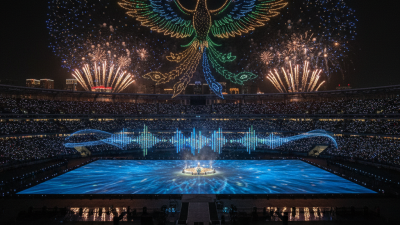
The applications for drone swarm light shows are vast. They can enhance live events like concerts and sports matches. Businesses are using them for promotional campaigns, attracting attention with unique displays. A study from an event planning association showed that 75% of event organizers believe drone shows create a memorable experience. However, there are challenges. The need for skilled operators and regulatory concerns may limit their widespread use. Each drone must communicate effectively with others, which is not always seamless.
Although the technology is impressive, not every event might benefit equally. Some venues may not have enough space for large displays. Environmental considerations are also essential. For instance, noise pollution and wildlife disturbances need to be addressed. As drone technology continues to evolve, balancing innovation with responsibility remains crucial.
Drone Swarm Light Show Applications and Benefits
Industry Growth and Market Trends for Drone Light Shows
Drone light shows have gained immense popularity in recent years. As the market continues to grow, reports suggest that the global drone light show industry could reach $3 billion by 2026. Demand for unique entertainment experiences drives this growth. Companies in various sectors now explore drone light shows for events and marketing.
Tips: Consider the size of your audience. Locations with larger crowds benefit more from drone displays. The visual impact can captivate thousands. However, ensure compliance with local regulations and safety standards.
The technology behind these shows is evolving. Advanced software coordinates flights with precision. This makes the shows more intricate and engaging. However, challenges remain. Weather conditions can impact performances. Scheduling and planning require flexibility to adapt to unforeseen issues. Companies often face pressure to deliver perfect shows. Yet, creativity often shines through imperfect moments.
Tips: Emphasize storytelling with your display. Audience engagement is crucial. Use drones to highlight themes or messages. It enhances the overall experience, transforming shows into memorable events. The combination of technology and art is a delicate balance.