What is Drone Formation Show and How Does It Work?
The "Drone Formation Show" industry is revolutionizing entertainment. Experts like Dr. Emily Zhang, a leading figure in drone technology, emphasize its impact. She once said, "These shows redefine how we perceive aerial displays."
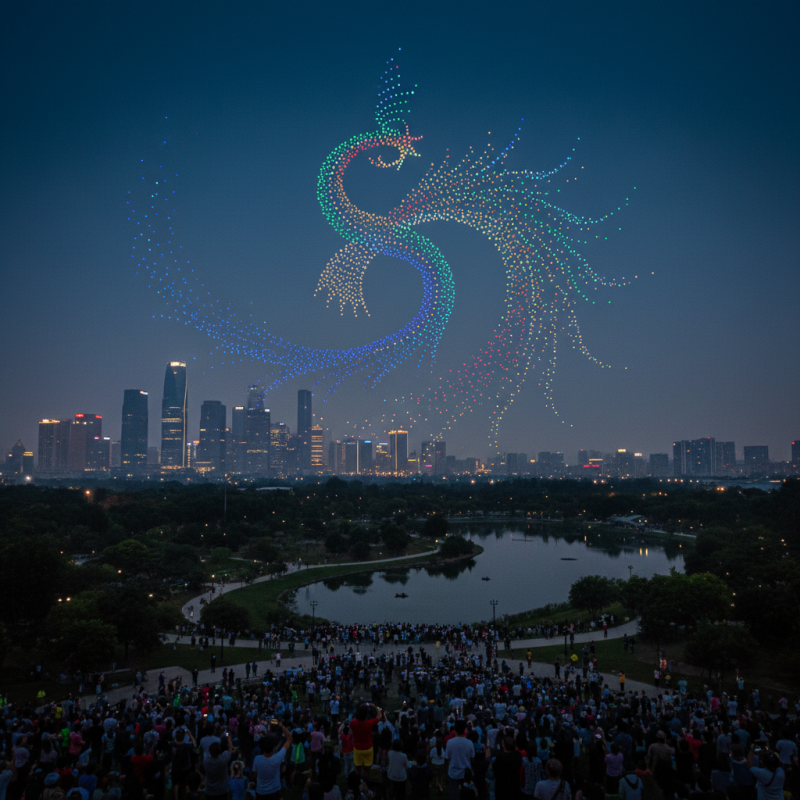
Drone Formation Shows involve multiple drones working together in sync. They create stunning visuals, illuminating the night sky. Each drone is controlled by advanced software, allowing for precise movements. This technology opens new possibilities for performances.
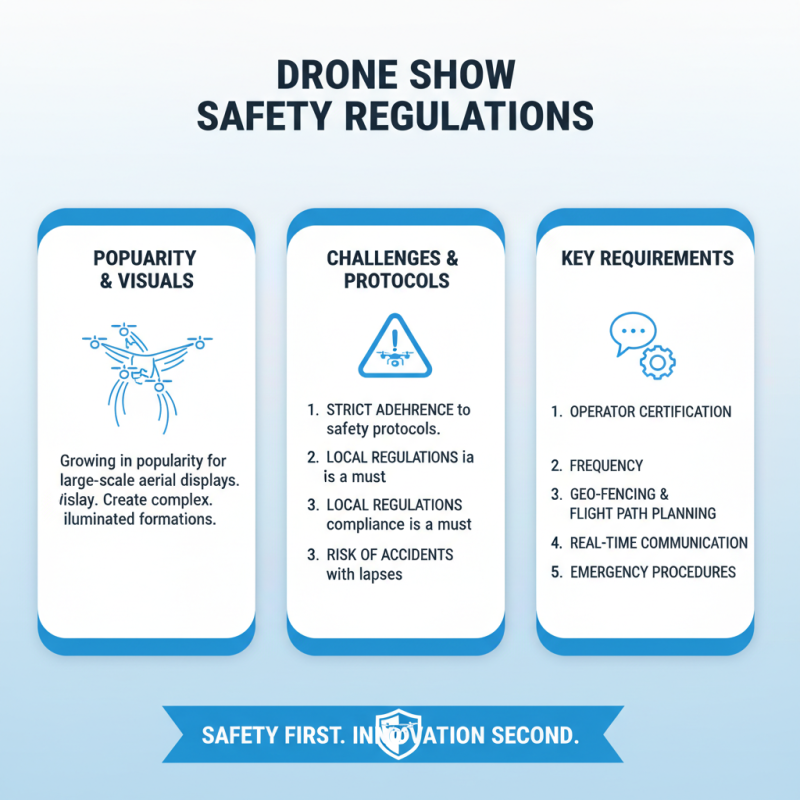
However, challenges exist. Weather conditions can disrupt shows, affecting visibility and safety. Additionally, the technology demands extensive training for operators. As the industry grows, it is vital to address these concerns. The balance between innovation and safety will define the future of Drone Formation Shows.
Definition and Overview of Drone Formation Shows
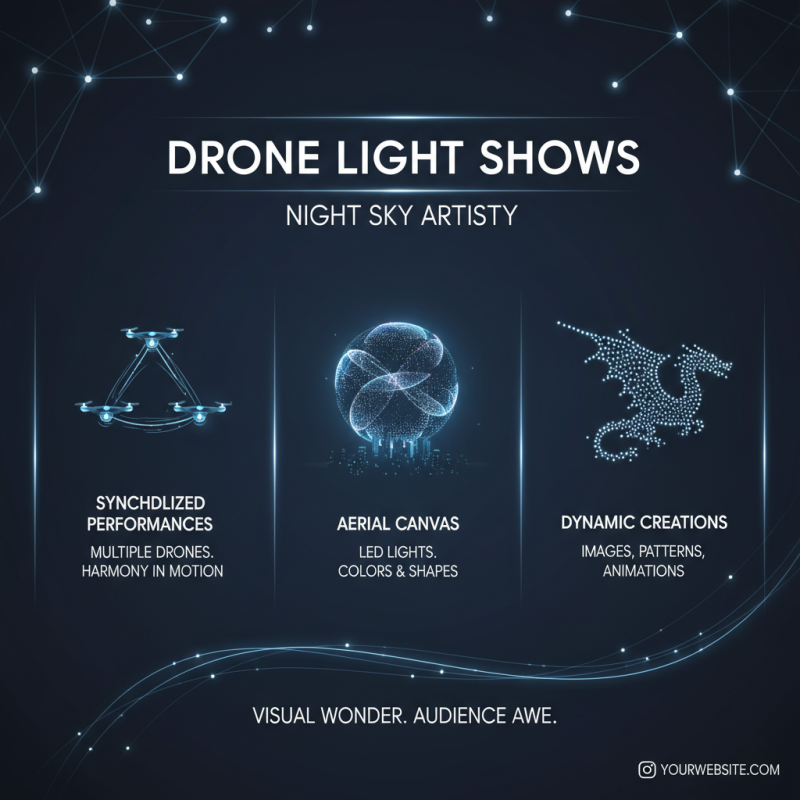
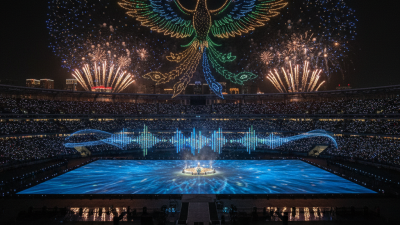
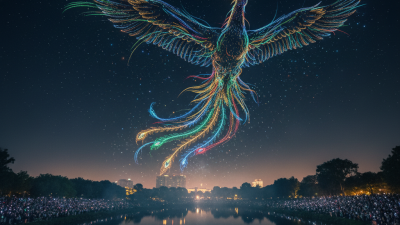
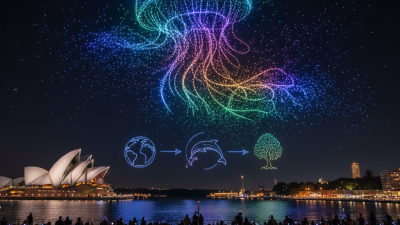
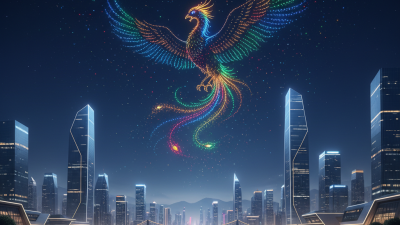
Drone formation shows are stunning visual performances. They use multiple drones to create synchronized light displays. These shows transform the night sky into a canvas of colors and shapes. The drones are equipped with LED lights, allowing for various colors. Often, they create images, patterns, and animations. Everyone watches in awe as drones dance in perfect harmony.
To achieve this coordination, drones rely on advanced technology. They use GPS and computer algorithms. These tools help maintain precise positioning. However, some factors can disrupt the show. Wind and weather conditions may cause slight deviations. This requires teams to adapt and make adjustments in real-time.
Tips for a successful drone formation show include thorough planning. Test flights are crucial to assess performance. Make sure to check weather conditions before the event. It’s essential to have backup plans in case of malfunctions or unexpected changes. Engaging with the audience can enhance the experience. Consider incorporating interactive elements or themes to captivate viewers.
Historical Development and Evolution of Drone Display Technology
Drone display technology has evolved significantly over the past two decades. Initially, the concept of using unmanned aerial vehicles for entertainment was groundbreaking. Early shows featured a handful of drones. Their flight patterns were simple and predictable. As technology advanced, so did the complexity of these displays.
Today, hundreds or even thousands of drones can be programmed to synchronize in the sky. This change was not overnight. It required rigorous testing and innovation in software and hardware. The introduction of GPS and advanced sensors made precise formations possible. However, there are still challenges. Weather conditions can disrupt performances. Technical glitches may also occur, leading to unexpected movements.
Public interest in drone shows has surged. They offer a unique alternative to traditional fireworks. Yet, as the technology develops, ethical concerns arise. Drones require airspace, and safety is paramount. Reflecting on these challenges can help shape the future of drone displays. Balancing innovation with responsibility will be crucial in this field.
What is Drone Formation Show and How Does It Work? - Historical Development and Evolution of Drone Display Technology
| Year |
Event |
Description |
Technologies Used |
| 2012 |
First Public Drone Light Show |
A university team organized the first public drone light show. |
GPS, LED Lights |
| 2015 |
Major Broadcast Event |
Drones were used in a major televised event, showcasing coordinated displays. |
Real-time Coordination Software, Drones |
| 2018 |
Olympic Trials Drone Show |
Drones performed a complex routine at the Olympic trials. |
Artificial Intelligence, Automated Flight Path Planning |
| 2020 |
Record-Breaking Drone Display |
A record number of drones participated in a display for a New Year celebration. |
Swarming Technology, Cloud Computing |
| 2023 |
Commercial Drone Shows Become Mainstream |
Drone light shows have become a popular choice for commercial events and advertising. |
5G Technology, Enhanced Communication Protocols |
Key Technologies Enabling Drone Formation Shows
Drone formation shows are a captivating blend of art and technology. They rely on several key technologies to make the magic happen. Firstly, precise positioning systems are critical. Drones use GPS, ultrasonic sensors, and computer vision to navigate within a defined space. This technology enables them to move in synchrony, creating complex shapes and patterns.
Another essential element is communication. Drones are equipped with advanced communication protocols. They need to exchange real-time information about their locations and movements. This helps maintain formation and avoid crashes. However, the communication link can be a weak point. Interference or signal loss can lead to disorientation.
Finally, software plays a vital role. Robust algorithms control drone behavior. They dictate how each drone should respond to changes within the formation. Yet, the software might not always perform perfectly. Bugs or unexpected scenarios can disrupt the show. This calls for continuous testing and improvement. Pursuing excellence in these technologies is crucial for the future of drone shows.
Drone Formation Show Technologies
Industry Applications and Market Trends in Drone Formation Displays
Drone formation shows are evolving rapidly, capturing the attention of audiences worldwide. These mesmerizing displays utilize fleets of drones synchronized through advanced technology. The drones communicate in real-time, creating stunning visuals in the sky. Various industries are exploring these displays, blending entertainment with creativity.
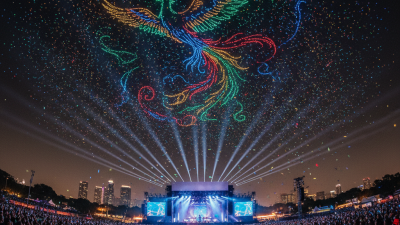
In the entertainment sector, drone formations are becoming a popular feature in events. Festivals and concerts increasingly use these aerial displays to enhance the experience. Brands are also incorporating drones into marketing campaigns. This creates unique visual narratives that resonate with viewers. However, the technology is still developing. Challenges exist in terms of drone coordination and safety regulations.
Aside from entertainment, there are innovative applications in sectors like agriculture and search and rescue. Farmers use drones to monitor crops and assess field conditions. In emergencies, drone teams can assist in locating missing persons or delivering supplies. However, these applications face obstacles. Issues like battery life and data accuracy must be addressed. Overall, the market for drone formation displays continues to expand, but it requires ongoing improvement and adaptation.