What is a Drone Air Show and How Does it Work?
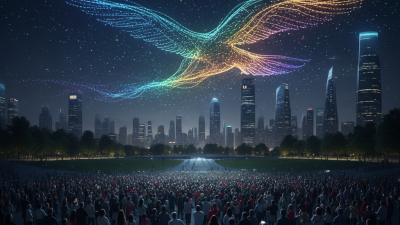
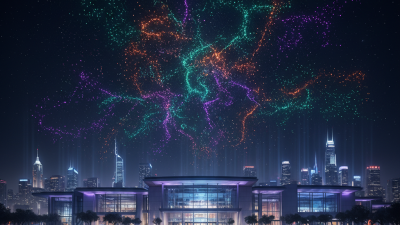
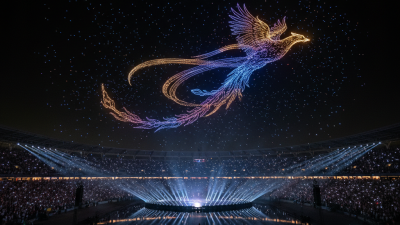
A Drone Air Show has become a captivating modern spectacle. It showcases the incredible capabilities of drones in a choreographed format. These events combine technology with artistry, presenting stunning visuals. Viewers are often left in awe as swarms of drones light up the skies, creating intricate designs and patterns.
The concept of a Drone Air Show involves careful planning and precision. Organizers employ skilled pilots and advanced software to synchronize the drones. Each performance is a testament to innovation and creativity, but not without challenges. Weather conditions, technical issues, and safety regulations can impact the show’s success.
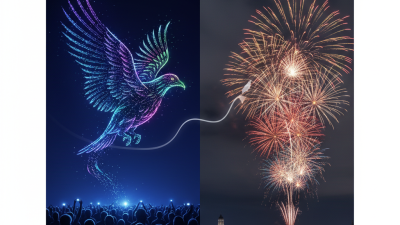
Despite these hurdles, the growing popularity of drone shows cannot be ignored. They offer a fresh alternative to traditional fireworks displays, while promoting technology in entertainment. As more people are drawn to these events, the industry continues to evolve. Drone Air Shows bring excitement, yet they remind us of the need for responsible use of technology.
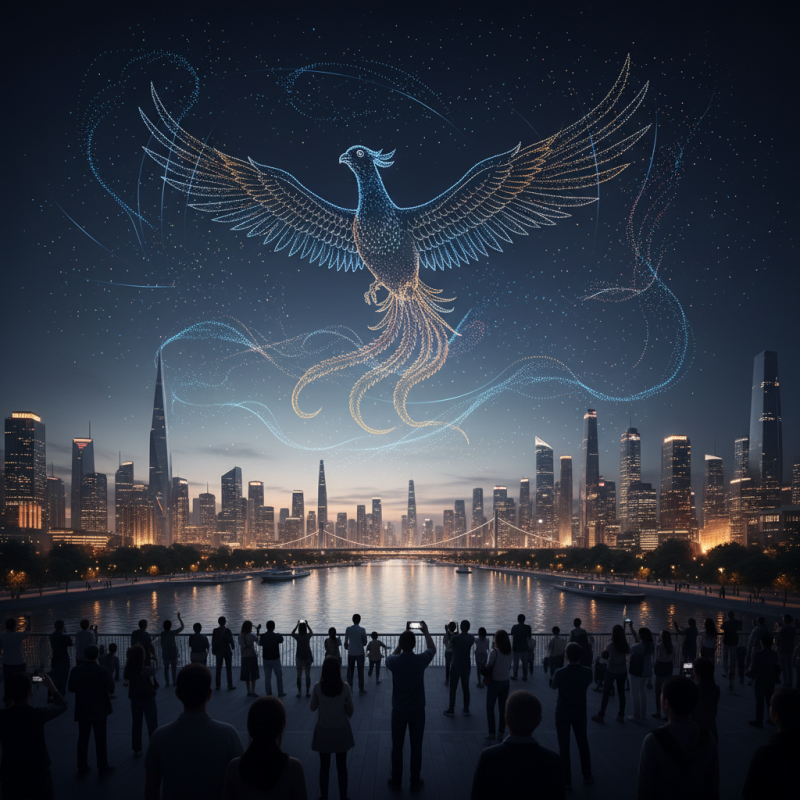
What is a Drone Air Show?
Drone air shows have emerged as a captivating form of entertainment, blending technology and artistry. Instead of traditional fireworks, these shows utilize fleets of drones for stunning displays. In recent years, the drone show industry has seen exponential growth. It was valued at approximately $1.2 billion in 2020 and is projected to reach $4.5 billion by 2025, according to a recent market research report.
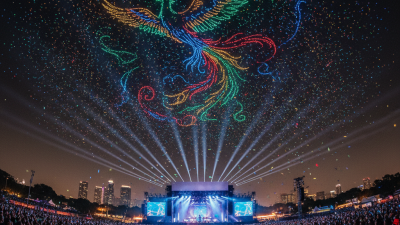
During a drone air show, hundreds or even thousands of drones synchronize to create elaborate patterns. These choreographed performances often feature LED lights and music, providing a visual experience unlike any other. Events have been held in various locations, showcasing how drones can be used creatively. However, challenges remain, including regulatory hurdles and safety concerns. Ensuring that drone flights are safe for both spectators and air traffic is critical, which requires ongoing dialogue with aviation authorities.
The technical aspects of these performances require skilled pilots and advanced programming. Each drone must operate independently while remaining in sync with the entire fleet. This level of coordination is impressive, yet it can lead to issues when technology fails. Hardware malfunctions or connectivity problems could disrupt a show. This element of unpredictability invites reflection on how to improve these performances moving forward.
Drone Air Show Highlights
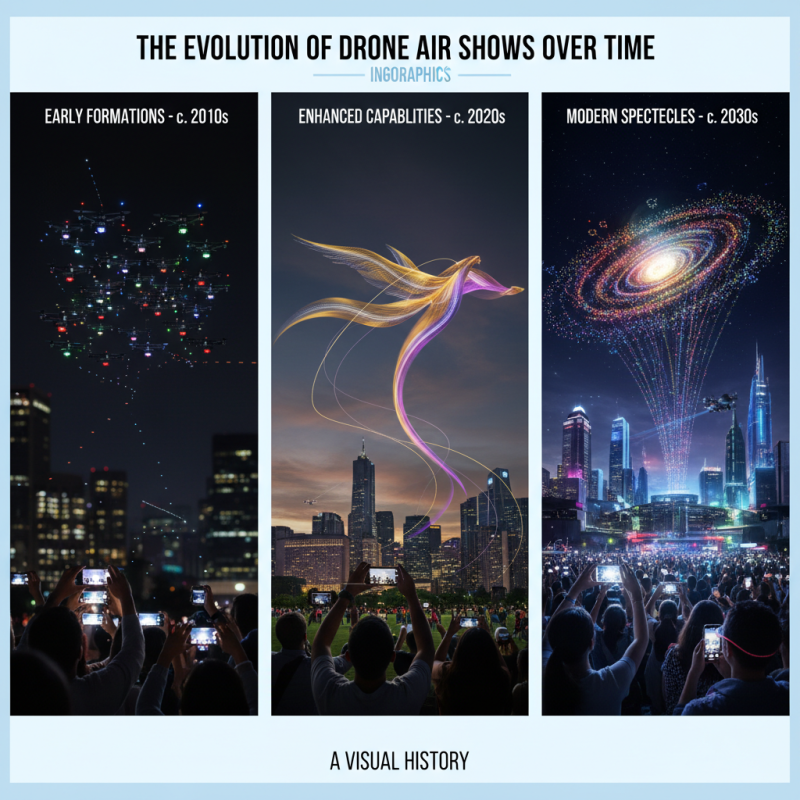
The Evolution of Drone Air Shows Over Time
Drone air shows have transformed dramatically since their inception. Initially, early versions showcased simple formations, using basic drones with limited technology. These events captivated audiences, yet lacked the complexity seen today. The evolution continued with enhanced drone capabilities, driven by advances in computing and flight control technologies. Today, we witness stunning displays featuring synchronized flight patterns and intricate light shows, captivating viewers worldwide.
The creative use of drones has opened new possibilities. Artistic storytelling through aerial choreography has emerged as a popular trend. However, challenges remain. Coordination of multiple drones requires precision. Even small errors can disrupt a performance. As the industry grows, the importance of safety and regulation becomes crucial. Event organizers must adhere to strict guidelines to ensure public safety while delivering unforgettable experiences. Reflecting on the evolution, it's clear that while technological advancements have propelled the industry forward, maintaining safety and artistry remains a balancing act.
How Drone Air Shows are Organized and Planned
Drone air shows have gained popularity in recent years, showcasing advanced technology and creativity. Organizing these events requires meticulous planning and a strong understanding of the logistics involved. An estimated 3,000 drone operators are expected to participate in various air shows globally this year, with each event needing an average of 100 drones to create stunning aerial displays.
To successfully execute a drone air show, teams must establish a detailed flight plan. This includes selecting specific flight paths and ensuring compliance with local regulations. According to a report by the Association for Unmanned Vehicle Systems International, 78% of successful drone shows involved thorough pre-event testing. This step minimizes the risk of malfunctions and enhances synchronization among drones.
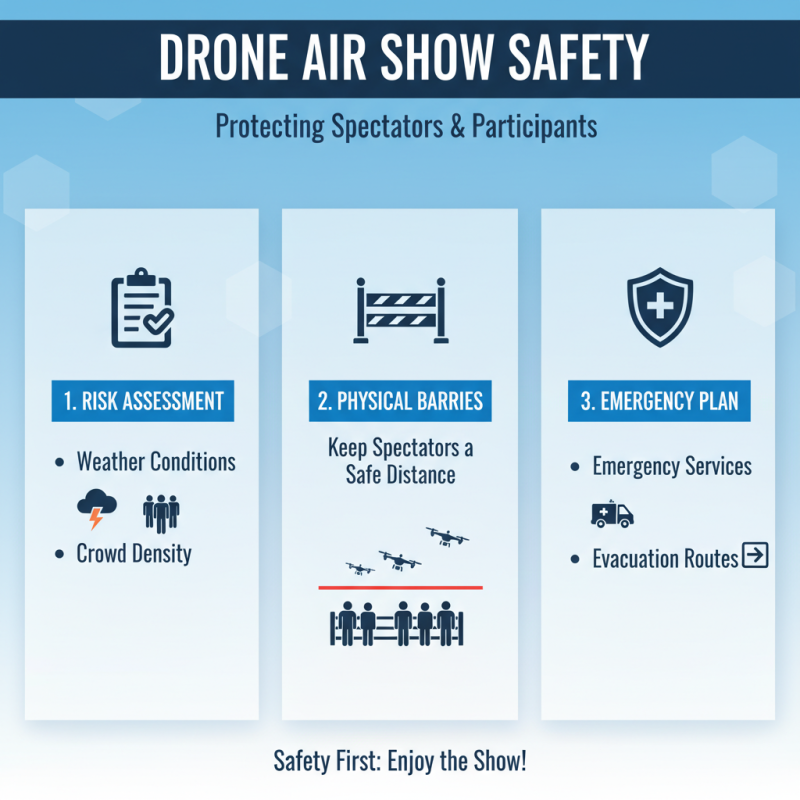
Safety is paramount in drone shows. Organizers must identify potential hazards and include safety protocols for both participants and spectators. Despite careful planning, unforeseen issues can arise, such as weather changes or technical difficulties. Flexibility in adapting to these challenges is essential. Overall, organizing a drone air show is a complex task requiring expertise and attention to detail, and it’s crucial to learn from past experiences to improve future events.
What is a Drone Air Show and How Does it Work?
| Aspect |
Description |
| Definition |
A coordinated display of multiple drones performing aerial maneuvers and formations. |
| Types of Shows |
Light shows, racing events, and competitive displays. |
| Key Components |
Drone fleet, software for control, lighting effects, and sound systems. |
| Planning Stages |
Concept development, site selection, regulatory compliance, and audience engagement plans. |
| Safety Measures |
Pre-show safety checks, remote identification, and emergency protocols. |
| Audience Experience |
Visual spectacles enhanced with music, themes, and interactive components. |
| Duration |
Typically ranges from 10 to 30 minutes, depending on complexity. |
| Technology Used |
GPS, LED lighting, and advanced drone automation systems. |
The Technology Behind Drone Flight and Synchronization
Drone air shows utilize advanced technology to create stunning visual displays. The synchronization of multiple drones is key to their success. This requires precise programming and coordination. Each drone is equipped with GPS for accurate positioning. This allows them to move in harmony, following pre-determined paths.
The flight technology is equally impressive. Many drones feature sophisticated sensors and onboard computers. These elements aid in obstacle avoidance and real-time adjustments. However, the complexity of these systems can lead to challenges. For instance, communication failures can disrupt performances.
Despite these potential issues, drone shows have grown in popularity. They offer a sustainable alternative to traditional fireworks. Environmental factors, like noise pollution, are minimized. Yet, the reliance on technology raises questions. How do we ensure reliability in varying conditions? Balancing creativity and tech is crucial for future shows.