How to Create a Stunning Drone Swarm Light Show?
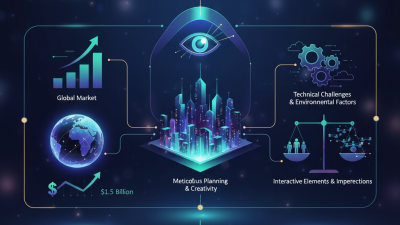
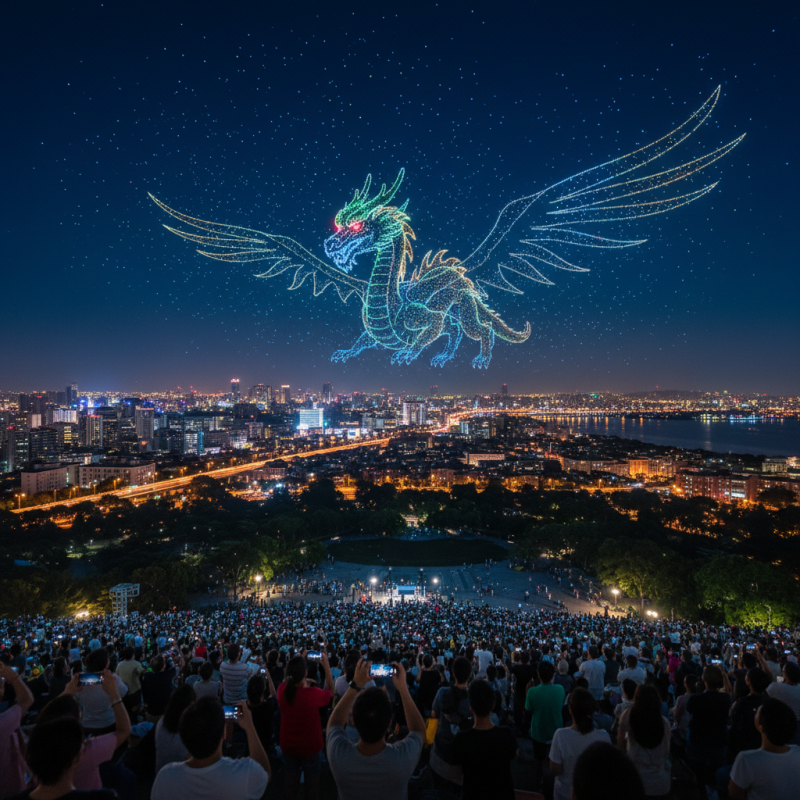
The Drone Swarm Light Show is a captivating blend of technology and artistry. With up to 1,500 drones operating simultaneously, these shows can create stunning visual displays in the night sky. According to recent industry reports, the drone light show market is expected to reach $1.2 billion by 2025, driven by events, marketing, and entertainment applications.
These aerial performances not only delight audiences but also pose challenges. Designing a Drone Swarm Light Show requires meticulous planning. Achieving the perfect synchronization among numerous drones is no small feat. Technical issues can lead to unexpected results, reminding creators that precision is key. It's essential to maintain a balance between creativity and technical prowess.
Moreover, maintaining compliance with aviation regulations can complicate logistics. Locations must be chosen carefully to ensure safety and visibility. As the industry evolves, the potential for innovative experiences grows. Balancing ambition with practical limitations is crucial for success. Creators must navigate these complexities to deliver stunning shows that captivate their audiences.
Understanding the Basics of Drone Swarm Technology
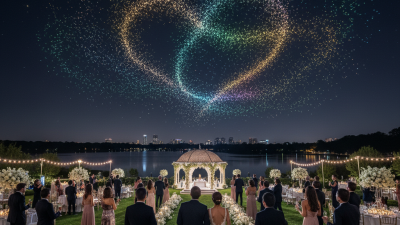
Drone swarm technology is revolutionizing entertainment. A swarm consists of multiple drones flying in coordination. Each drone is equipped with lights that create stunning visual effects. These shows can be mesmerizing, but it is essential to understand their basics.
The synchronization between drones is key. It typically involves advanced software that calculates flight paths and timing. However, achieving perfect synchronization can be challenging. Sometimes, drones may drift off course, leading to a less than perfect show. Continuous refinement and practice are vital for improving these performances.
A reliable communication system among drones is crucial for coordination. It can use GPS and other sensors. But signal interference can disrupt the show, causing potential issues. Challenges like weather conditions may also hinder performances. While drone swarms can entertain, planning is essential to avoid unexpected setbacks.
How to Create a Stunning Drone Swarm Light Show? - Understanding the Basics of Drone Swarm Technology
| Aspect |
Description |
Example |
| Swarm Technology |
Utilizes multiple drones working together in a coordinated manner to create complex aerial designs. |
Light formations and patterns in the night sky. |
| Software Requirements |
Software platforms are needed for programming the drone movements and light displays. |
DroneShow Software, Swarm Intelligence Systems. |
| Light Emission |
LED lights are commonly used for creating vibrant color displays. |
RGB LEDs on each drone. |
| Coordination Techniques |
Algorithms for positioning, synchronization, and avoiding collision. |
Dynamic coordination algorithms. |
| Safety Measures |
Protocols to ensure safety and compliance with aviation regulations. |
Pre-flight checks, no-fly zones. |
| Applications |
Used for entertainment, advertising, and large events. |
Concerts, festivals, corporate events. |
Choosing the Right Drones for Your Light Show
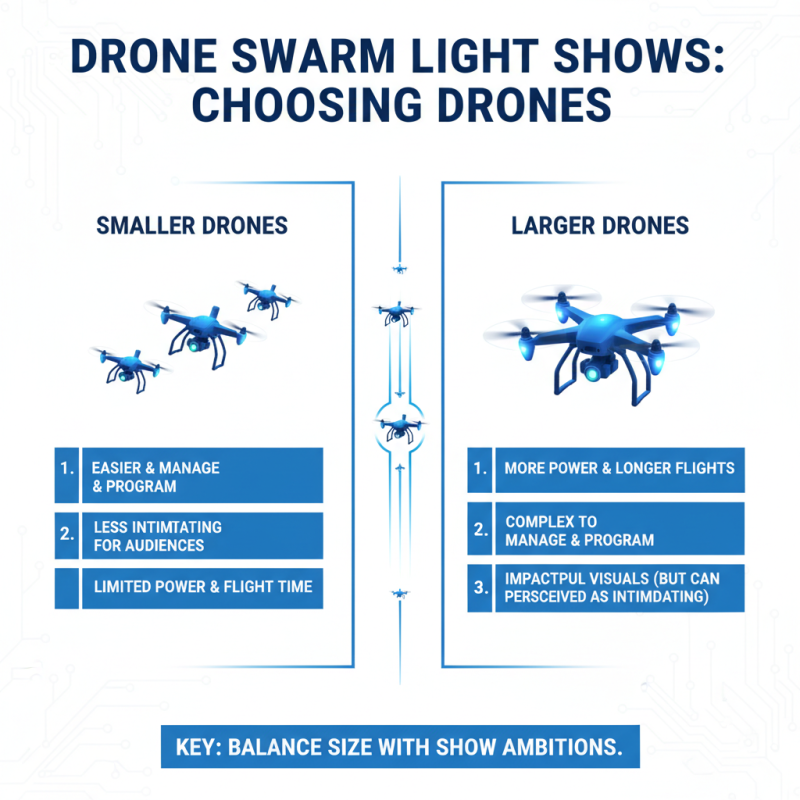
When planning a stunning drone swarm light show, choosing the right drones is crucial. Begin by considering the size and weight of the drones. Smaller drones are easier to manage and can be programmed more quickly. They are also less intimidating, which may appeal to audiences. However, they often lack power and flight time.
Battery life is another important factor. Drones should have enough power to sustain long performances. It’s frustrating when a drone runs out of battery mid-show. Look for models with efficient energy use. Bright LED lights are a must. Some drones come equipped with customizable lighting features, which allow unique color patterns. This adds flair to the performance.
Finally, durability matters. Drones can crash, especially during complex routines. Choose models that can withstand minor accidents. Perform practice runs to identify potential issues. Not every drone will meet expectations. Learning from mistakes is essential in perfecting your show. Seek feedback from observers to improve future performances.
Designing an Eye-Catching Light Show Pattern
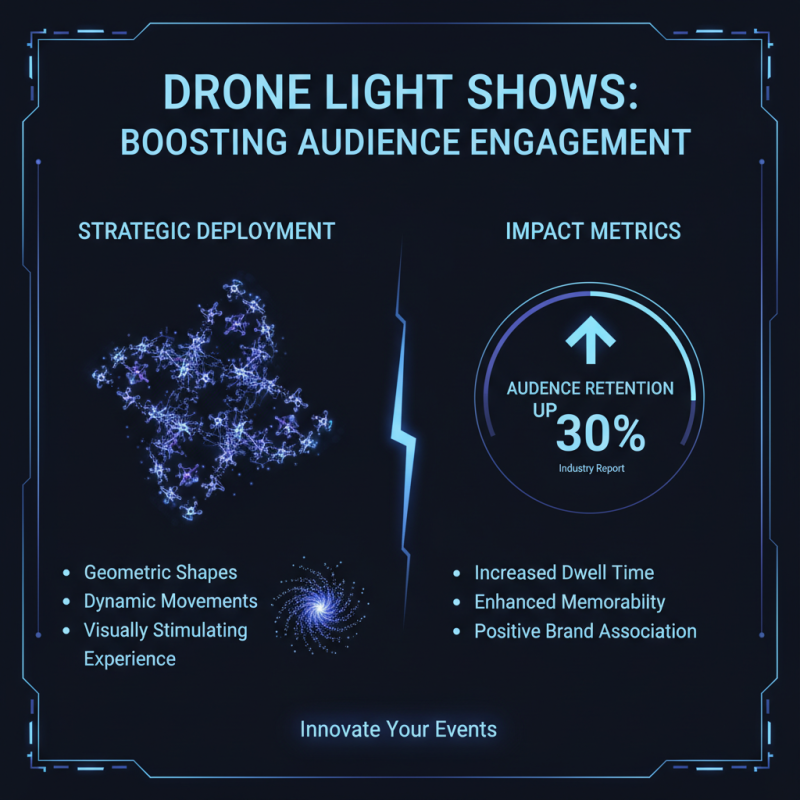
Creating an eye-catching light show pattern with drones involves more than just aligning them in a formation. The deployment of these drones can have a strategic impact on audience engagement. According to a recent industry report, light shows featuring drone swarms can increase audience retention by up to 30%. Utilizing distinct geometric shapes or dynamic movements offers a visually stimulating experience.
Patterns should be easy to recognize but also intriguing. Experimenting with varied sequences can lead to a stunning display. While circles and spirals are common, incorporating unexpected elements such as abrupt changes can surprise the audience. For example, a sudden shift from a flowing pattern to a chaotic scatter can evoke emotional responses. However, it's essential to ensure that these surprises don’t confuse viewers.
Color choice plays a crucial role as well. Vibrant colors attract attention, but using too many can dilute the effect. Research shows that a limited palette can enhance the overall impact. Balancing colors while considering visibility and weather conditions can be challenging. A successful pattern not only captivates but also sparks curiosity, making the audience reflect on the performance long after it ends. The journey to a perfect light show may involve trial and error, leading to some less-than-ideal outcomes. But each failure offers valuable lessons in refining future displays.
Programming and Synchronizing Drone Movements
Creating a stunning drone swarm light show requires meticulous planning, especially in programming and synchronizing the drones. According to a recent industry report, successful drone shows can increase audience engagement by 40%. The key to achieving this lies in precise coordination of movements and flight patterns. Each drone must be programmed to follow a specific path while maintaining a safe distance from its neighbors.
One effective method involves using algorithms that allow for real-time adjustments during the performance. For example, a swarm of 100 drones can create intricate formations in under ten seconds. However, synchronization can be tricky. Even minor discrepancies in timing can lead to disordered displays. Continuous testing and tweaking may be necessary.
Moreover, communication between drones is crucial. Utilizing GPS and advanced antennas ensures reliable connectivity. However, the technology isn't foolproof. Signal loss can disrupt the show. In 2022, 15% of drone shows reported challenges in synchronization due to lag in communication. Adopting backup plans is essential to mitigate this risk.
Safety Measures and Regulations for Drone Light Shows
When planning a drone light show, safety is crucial. Various regulations exist; these help ensure safety for both spectators and participants. Understanding local airspace is vital. Some areas may have restrictions, especially near airports. Pilots must check rules regularly. Clear communication with local authorities can prevent issues.
Conducting risk assessments is essential. Identify potential hazards like power lines and crowded areas. Establish safety zones to keep the audience safe. Drone operators need to maintain a safe distance from people. During practice sessions, things can go wrong. Unforeseen weather changes can also impact safety.
Always have a contingency plan. Drones may malfunction or lose signal. Operators should be trained to handle such situations. Additionally, having an emergency landing area is wise. Regular maintenance of drones helps avoid technical failures. These measures ensure a memorable event without compromising safety.
Drone Swarm Light Show - Safety Measures & Regulations