How to Create an Amazing 3D Drone Show Experience?
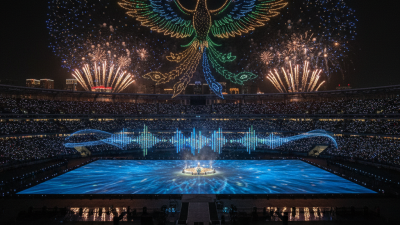
Creating an amazing 3D drone show experience demands innovation and creativity. It is not just about flying drones; it's about telling a story through mesmerizing visuals. The use of technology allows artists to explore new dimensions and engage audiences like never before.
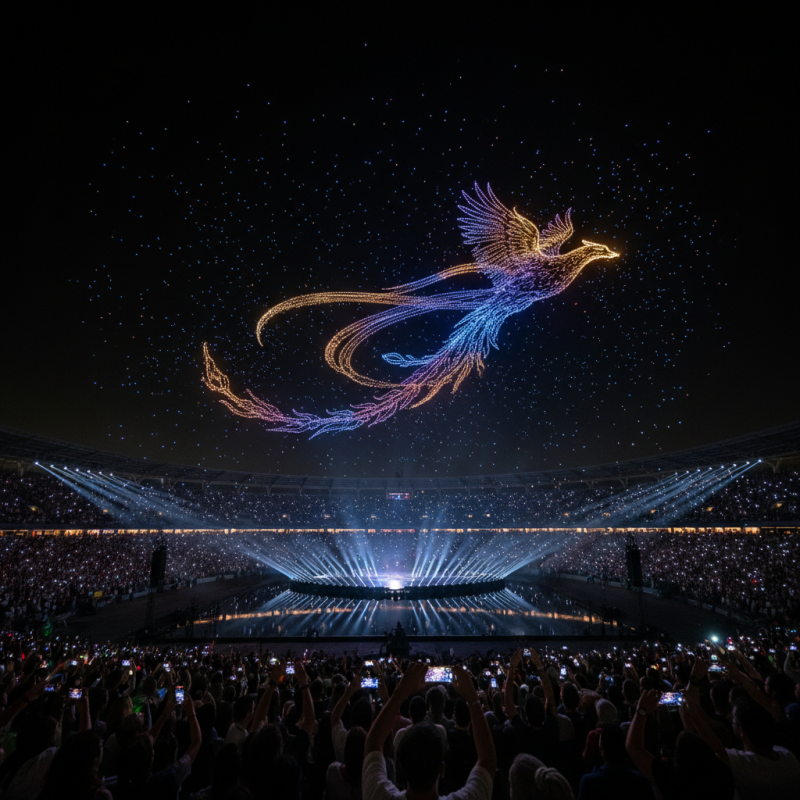
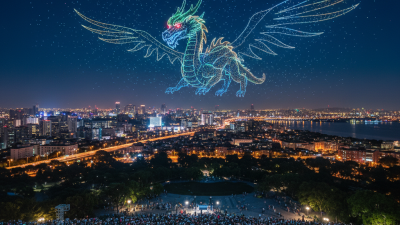
Imagine a dark sky filled with dancing lights, creating patterns and shapes. Each drone becomes part of a choreographed performance, synchronized with music. However, achieving this vision requires more than just planning. You'll face challenges, such as ensuring safety and managing technical glitches.
The journey to craft a remarkable 3D drone show is filled with opportunities for learning. Embrace feedback and adjust your approach when things don’t go as planned. Reflecting on past experiences can greatly enhance future performances. Your goal is to create an unforgettable spectacle that resonates with the audience.
Understanding the Basics of 3D Drone Show Technology
Creating a captivating 3D drone show experience requires a solid understanding of the underlying technology. At its core, this technology revolves around synchronized drones equipped with LED lights. These drones create stunning visuals in the night sky, transforming landscapes into a canvas of light. The success of a show largely depends on precise programming and choreography. Artists can design intricate patterns that tell a story, leveraging software tools to craft their visions.
When planning a 3D drone show, consider starting small. Choose a simple design or pattern. This approach helps in identifying potential issues early on. Rigorous testing is crucial. Conduct rehearsals in various weather conditions to ensure reliability. Consider using simulation software to visualize the show before the actual performance. This can save time and help refine the final display.
Another tip is to focus on audience interactions. Encourage feedback during preview shows. This may highlight aspects that need improvement. Engaging with the audience can also provide insights into their preferences. Balancing creativity with technology is essential. While pushing artistic boundaries is exciting, remember to ensure technical feasibility. Always keep learning, as this industry evolves rapidly. Embrace experimentation, but also reflect on what works and what doesn’t.
3D Drone Show Technology Usage Over the Years
Selecting the Right Drones and Equipment for Your Show
Creating an unforgettable 3D drone show starts with selecting the right drones and equipment. It's crucial to assess your venue first. A large open area is ideal for expansive aerial displays. Indoor shows may require different drones due to space constraints.
Choosing drones that suit your artistic vision is essential. Various models have unique capabilities. Some drones excel in precision, while others can perform complex maneuvers. You might prefer models with RGB lighting for vibrant displays. Flight time is another critical factor; longer-lasting batteries allow for extended performances.
Don't overlook safety features. Drones should have reliable GPS and fail-safe systems. These enhance reliability during performances. Consider the audience's perspective as well. The view from different angles affects the experience. Preparing the right equipment is not just about the drones but also control systems and software. This process often involves trial and error. Reflect on feedback from past shows to refine your choices. Adapting your setup is part of achieving greatness in drone shows.
How to Create an Amazing 3D Drone Show Experience?
| Drone Model |
Flight Time (mins) |
Payload Capacity (kgs) |
Control Range (km) |
LED Light Compatibility |
| Drone A |
25 |
5 |
10 |
Yes |
| Drone B |
30 |
3 |
8 |
Yes |
| Drone C |
20 |
7 |
12 |
No |
| Drone D |
22 |
4 |
15 |
Yes |
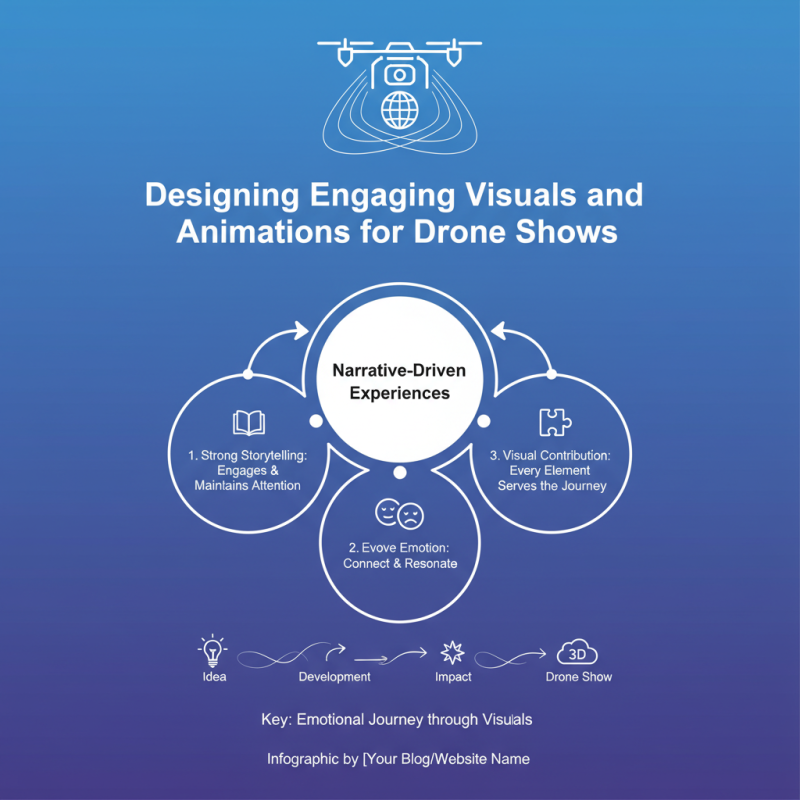
Designing Engaging Visuals and Animations for the Performance
Creating engaging visuals and animations for a 3D drone show is a nuanced task. The most powerful experiences often come from a strong narrative. Storytelling drives interest and maintains viewer attention. Consider the emotions you want to evoke. Each visual element should contribute to this emotional journey.
Color palettes play a crucial role in setting the mood. Bright, vibrant colors can energize the audience, while softer tones may evoke calmness. Experimenting with these choices is essential, even if the result is not as expected. Patterns and shapes should serve the story, guiding the drones' movements. Fluid transitions keep the performance cohesive.
As you design, pay attention to the pacing. Too fast, and viewers might miss details; too slow can lead to disengagement. Use varied speeds to highlight significant moments. Gather feedback throughout the process. There may be elements that need tweaking or rethinking. This iterative approach can reveal hidden opportunities for improvement, leading to a more captivating show. Testing ideas on a smaller scale can also open new avenues for creativity in your final performance.
Planning the Show's Timing, Music, and Coordination
Planning the timing, music, and coordination of a 3D drone show is crucial for creating a memorable experience. Each element must synchronize perfectly to captivate the audience. Start by defining the show duration. A well-paced show keeps viewers engaged without losing their interest. Use a timer to rehearse the timing of each segment. This helps in identifying potential lag or overlaps. If things feel off, it’s essential to adjust the sequence.
Music selection plays a vital role. Choose tracks that enhance the visuals. Analyze the beats and rhythms, ensuring that they align with the drone movements. An inappropriate song can distract from the show’s impact. Test the music with the visual components. Sometimes, the effects don’t match, leading to a disjointed experience. Remember, less can be more. A simple, yet powerful melody can elevate the show.
Coordination among team members is equally important. Clear communication ensures everyone knows their role. Miscommunication can result in missed cues. Conduct full rehearsals to iron out any issues. It’s okay if everything isn’t perfect on the first attempt. Each rehearsal reveals areas that need improvement. Fine-tuning every detail, from timing to coordination, will lead to a stunning 3D drone show.
Ensuring Safety and Compliance for Drone Operations in Events
Creating a captivating 3D drone show requires meticulous planning, especially regarding safety and compliance. Safety should always come first in drone operations. Before the event, it is crucial to conduct a comprehensive risk assessment. This involves identifying potential hazards, like crowded areas or high structures. Ensuring you have the right insurance coverage adds another layer of protection.
Regulatory compliance is just as important. Familiarizing yourself with local regulations regarding drone flights can prevent costly fines or delays. It’s beneficial to work with authorities to secure all necessary permits. Drone operators must also be certified to fly legally. Having experienced pilots enhances reliability and reduces risks.
While planning is essential, not everything will go perfectly. Weather conditions can change unexpectedly, impacting the drone show. Technical failures are also a possibility. Regular maintenance of the drones helps, but issues can still arise. Prepare contingency plans to address such scenarios. Investing time in rehearsals can highlight these weaknesses, resulting in smoother operations during the actual event.