How to Choose the Best Light Drones for Your Needs?
When considering the perfect light drones, various factors come into play. These small, agile devices have gained popularity for both hobbyists and professionals. Light drones are versatile and easy to handle, making them ideal for beginners. Their lightweight design allows for extended flight times and improved portability.
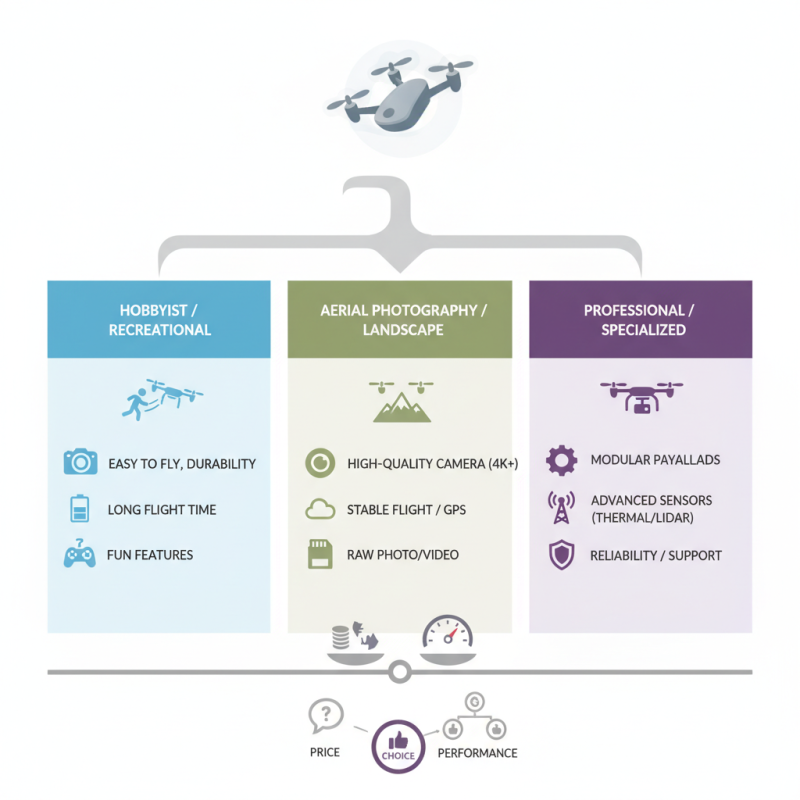
However, selecting the right model can be overwhelming. Think about your specific needs. Are you capturing stunning aerial photography, exploring landscapes, or simply enjoying recreational flying? Each use case demands different features, such as camera quality and battery life.
Some light drones may lack specific functions, leading to disappointment. Read reviews and compare options carefully. In exploring this market, you might notice trade-offs between price, durability, and performance. Reflecting on what matters most will guide you in making the best choice for your needs.
Understanding the Different Types of Light Drones Available Today
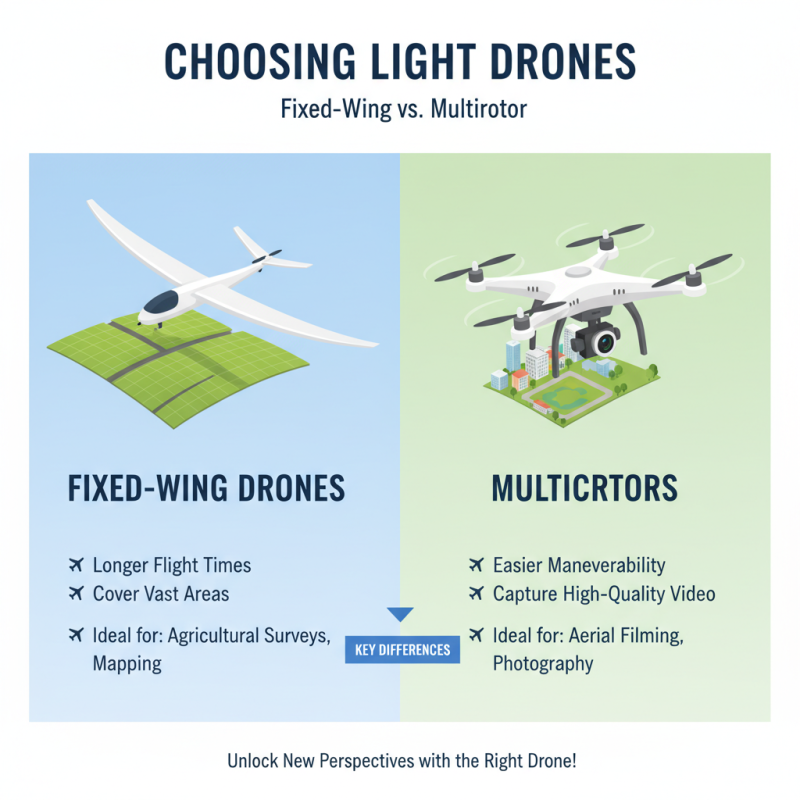
When choosing light drones, it’s essential to understand the various types available. Two main categories include fixed-wing drones and multirotors. Fixed-wing drones tend to have longer flight times and can cover vast areas. They are ideal for agricultural surveys or mapping tasks. On the other hand, multirotors are more versatile for maneuvering and capturing images. They excel in capturing high-quality video footage.
When selecting a light drone, consider your specific needs. Think about what you will use it for. Are you aiming to take photos, conduct surveys, or just explore? The flight time, payload capacity, and camera quality are all vital factors. Some users might prioritize portability over a longer flight time. Others might need a drone that can carry heavier cameras.
**Tips:** Test the drone before purchase. Getting a feel for its controls matters. Try different models to see what suits you best. Also, keep safety in mind. Flight regulations can vary widely by location. Knowledge of these rules can save you from legal troubles.
Key Factors to Consider When Choosing a Light Drone
When choosing a light drone, several key factors come into play. First, consider the weight and design. A lightweight drone is easier to carry and maneuver. This matters when you'll fly for extended periods. Weight also affects battery life and flight stability. Be mindful of how the drone feels in your hands. Does it seem durable? Can it handle rough conditions? These details can significantly impact your experience.
Next, assess the camera quality. If you aim for stunning aerial shots, look for high-resolution capabilities. Some drones offer 4K options and stabilization features. However, note that higher quality often comes at a greater cost. Balance your need for visuals against your budget. Don't overlook battery life. A drone that only flies for a few minutes may frustrate you. Check the average flight time and weight it into your decision.
Finally, evaluate usability features. Some models are very user-friendly, even for beginners. Others require advanced knowledge and practice. If you're not experienced, opt for a simpler option. Reflect on your skill level. Can you handle advanced maneuvers? Think about where you plan to fly. Open spaces vs. crowded areas can influence your choice.
Assessing Camera Quality and Flight Performance in Drones
When choosing the best light drones, camera quality and flight performance are crucial factors. A drone with a high-resolution camera captures stunning aerial shots. Look for specifications like 4K video and high megapixel counts. These features make a significant difference in the clarity of your images. However, keep in mind that the best camera specs may not always equate to the best user experience. Sometimes, overly complicated setups can frustrate beginners.
Flight performance is equally important. Battery life determines how long you can shoot. A drone that lasts only a few minutes can limit your creativity. Flight stability matters, too. Drones that wobble may produce shaky footage. It's also vital to consider wind resistance. Some lightweight drones struggle in windy conditions. Testing a drone in various weather can reveal its true capabilities. This experimentation can lead to better decision-making.
Don’t overlook ease of use. A user-friendly interface enhances the flying experience. Complexity can lead to mistakes, especially for novices. Reading user reviews can provide insights into real-world performance. Gathering feedback helps in understanding potential pitfalls. Each feature should align with your specific needs, creating a balance between quality and functionality.
How to Choose the Best Light Drones for Your Needs? - Assessing Camera Quality and Flight Performance in Drones
| Drone Model |
Camera Resolution |
Max Flight Time (minutes) |
Range (meters) |
Weight (grams) |
| Model A |
12 MP |
30 |
1000 |
250 |
| Model B |
16 MP |
35 |
1200 |
300 |
| Model C |
20 MP |
28 |
800 |
450 |
| Model D |
4K Video |
25 |
1500 |
300 |
Budgeting for Your Light Drone Purchase: Costs and Value
When budgeting for a light drone, it's essential to understand the costs involved. A recent industry report suggests that the average price range for consumer drones is between $300 and $1,500. Lower-end models may lack advanced features, while higher-end options provide greater stability and better camera quality.
Think about what features are necessary for your needs. A basic drone may work for simple photography, while a model with GPS and obstacle avoidance adds significant value. According to a study, 70% of users prefer drones with powerful batteries and longer flight times. Weigh the price against these features to ensure a worthwhile investment.
Keep in mind that purchases come with additional costs. Accessories, spare batteries, and insurance can add up quickly. For example, a quality camera upgrade might cost an additional $200. It's crucial to consider long-term costs, not just the initial purchase price. Additionally, prices may fluctuate due to market demand. Reflect on what you truly need versus what you want. Making informed decisions can lead to better financial choices in the long run.
Evaluating Brand Reputation and Customer Support for Drones
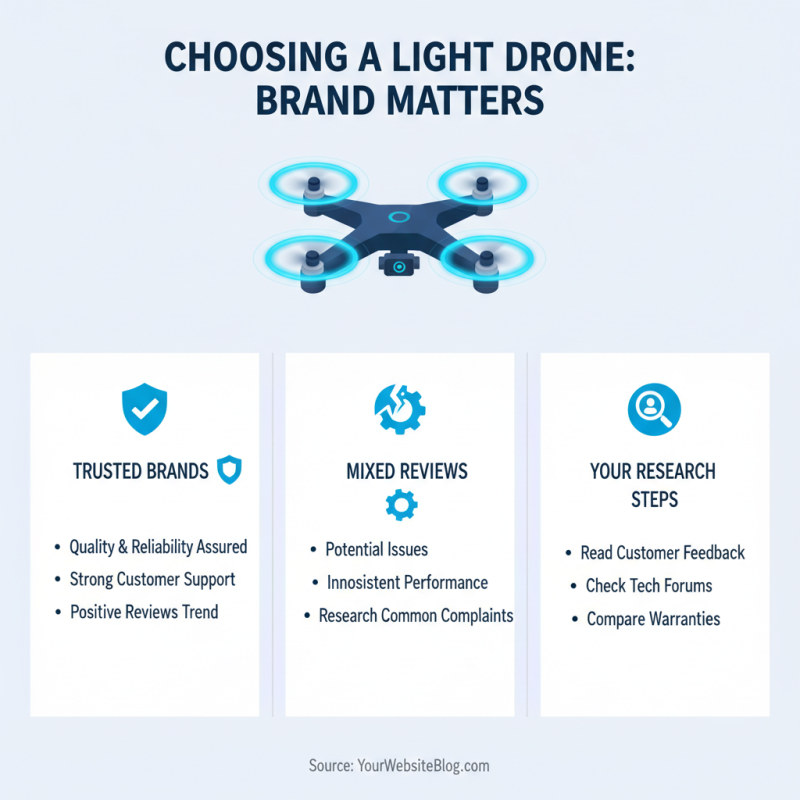
When selecting a light drone, brand reputation matters significantly. A well-regarded brand often ensures quality and reliability. Some brands may have mixed reviews, indicating potential issues with their products. Research customer feedback carefully. Look for trends in satisfaction or common complaints.
Customer support is another crucial factor. A responsive support team can save you time and frustration. Explore user experiences with support channels. Are they easy to reach? Do they resolve issues quickly? These details can make or break your experience as a drone user. Occasionally, support may lack in critical areas, leaving users in tough spots.
Remember, not every brand will meet your expectations. Some may overpromise but underdeliver. Learning from others' experiences can guide your choice. Consider your priorities. Are you looking for quality or affordability? Balance your needs with what brands offer. Making informed decisions requires reflection on these aspects.