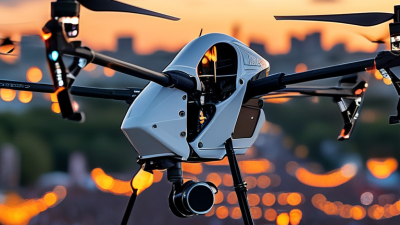
Leave Your Message

How to Choose the Best LED Drone for Global Buyers?

Choosing the best Led Drone requires more than comparing brightness, price, and flight time. Global buyers need evidence.

MarketsandMarkets estimates that the commercial drone market may grow from USD 30.6 billion in 2024 to USD 55.8 billion by 2029. This growth creates opportunities, but also confusion. Product labels are not always consistent. Some suppliers call entertainment drones “professional” without publishing tested performance data.

Anil Nanduri, former General Manager of Intel’s Drone Group, described drones as “the next computing platform.” His view matters for Led Drone buyers. A modern fleet is not merely a group of flying lights. It combines aircraft, software, batteries, positioning systems, and trained operators.

Check the details carefully. Ask for measured LED brightness, maximum flight time, charging cycles, positioning accuracy, wind tolerance, and fleet-control limits. A bright light is useless if the battery fades after eight minutes. A long specification sheet means little without test conditions.

The FAA’s Aerospace Forecast and global aviation guidance also show why operational planning matters. Buyers should confirm airspace requirements, import rules, insurance expectations, and approved operating procedures in every target market. Legal requirements differ widely.

Reliability deserves equal attention. Request maintenance records, spare-part availability, software support, and documented safety testing. Speak with previous customers when possible.

There is no perfect Led Drone for every event. Outdoor festivals need wind resistance and redundancy. Indoor venues may value quiet operation and precise positioning. A cheaper fleet can become expensive when batteries, repairs, and training are ignored. The uncomfortable truth is simple: attractive demonstrations do not prove long-term commercial value.
How to Choose the Best LED Drone for Global Buyers?

Understanding LED Drone Types and Their Intended Uses

Choosing an LED drone starts with its intended use, not its brightest lights. Consumer models suit beginners, indoor practice, and short outdoor flights. They usually have guarded propellers, simple controls, and modest battery capacity. Agricultural or inspection drones need stronger frames, longer endurance, and clearer navigation lighting. Their LEDs should show orientation without reducing camera visibility.

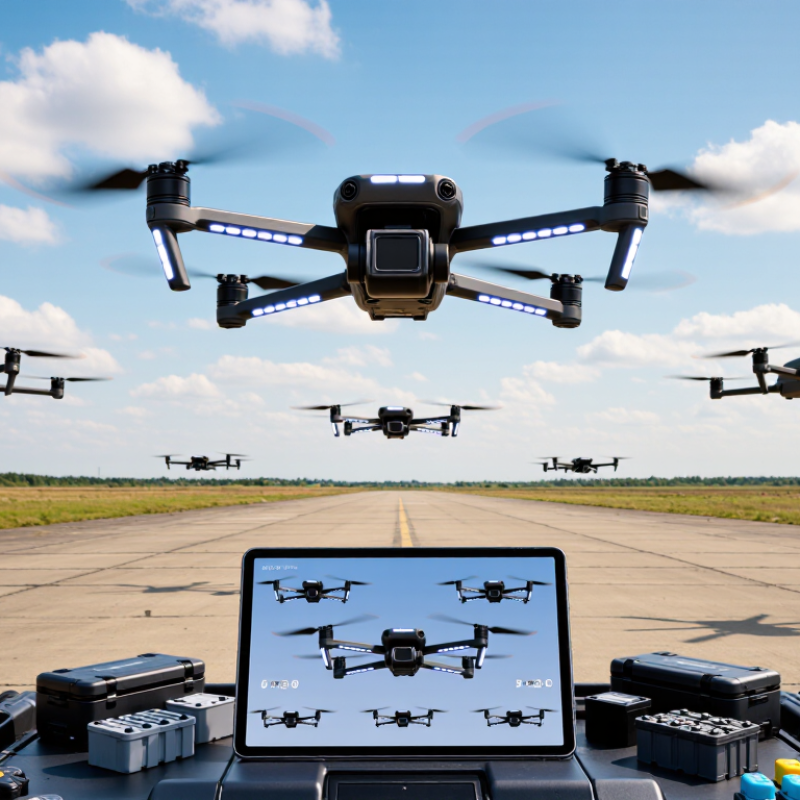
Light-show drones are a different category. They use synchronized LEDs, stable positioning, and tightly controlled flight paths. Event operators should examine payload limits, wind tolerance, battery cycles, and software reliability. Grand View Research’s 2024 commercial drone analysis forecasts strong market growth through 2030, driven by inspection, mapping, and public-safety applications. That growth does not mean every LED drone fits every region. Weather, radio spectrum, operator training, and local aviation rules still matter.

FAA registration data reported over 860,000 registered drones in the United States during 2024, showing how widely unmanned aircraft are used. Global buyers should compare flight logs, protection ratings, spare-battery availability, and service documentation. A bright LED may help during dusk flights, but it cannot replace position awareness or legal compliance. My first choice is rarely the most colorful model. I have found that weight, battery heat, and repair access matter more after repeated flights. Even experienced buyers can overlook those details.

Evaluating Flight Performance, Lighting Systems, and Safety Features

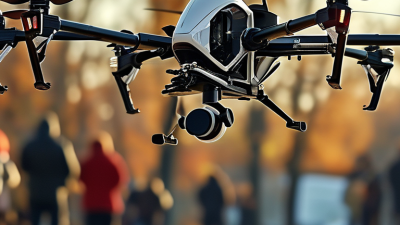
Choosing the best LED drone for global buyers starts with flight performance. A stable aircraft produces smoother footage and clearer light displays. During practical testing, check its hover accuracy in light wind. Examine takeoff response, turning control, and braking distance. Battery performance also deserves close attention. Cold weather, heavy lighting, and strong wind can reduce flight time. Some advertised figures seem optimistic. Real conditions often tell a different story.

The lighting system should be bright, balanced, and easy to control. Look for adjustable intensity and multiple colors without excessive heat. Diffused LEDs can reduce harsh glare and improve visibility from different angles. Navigation lights should remain distinguishable from decorative patterns. This small detail matters near dusk. Safety features deserve equal attention. Useful systems include low-battery alerts, automatic return-to-home, propeller guards, and obstacle sensing. However, sensors may miss thin branches or dark surfaces. Do not treat them as perfect protection. Check local aviation and lighting requirements before operating.

Tips: Test the drone outdoors before any public display. Record actual battery duration. Keep spare propellers and batteries ready. Set conservative wind limits. Inspect cables, light covers, and landing gear after every flight. A simple pre-flight checklist prevents many avoidable mistakes. If the controls feel delayed, stop testing and investigate the signal, firmware, or battery condition.

Checking Regulations, Certifications, and Import Requirements Worldwide

How to Choose the Best LED Drone for Global Buyers?

Before purchasing an LED drone, check the aviation rules in the destination country. Requirements can differ between neighboring markets. Contact the local civil aviation authority, not only the seller’s sales representative. Confirm registration, pilot qualifications, flight-zone limits, night-operation rules, and remote identification requirements. Indoor use may still require safety controls in public venues.

Ask for complete technical documents before payment. These may include a declaration of conformity, radio-frequency approval, battery test reports, and product safety certificates. Marks such as CE, FCC, or UKCA may apply only to specific markets. They do not automatically permit operation everywhere. Check whether the controller’s frequency range matches local spectrum rules. A bright LED system also needs safe heat management and reliable battery protection.

Import preparation needs equal attention. Request the correct HS code, commercial invoice, packing list, country of origin, and battery transport documents. Lithium batteries may require special labels, packaging, or carrier approval. Confirm customs duties, value-added tax, and warranty handling with a licensed customs broker. Keep written evidence from official websites and testing laboratories. Screenshots alone may become outdated. This part is often underestimated. A product can pass factory testing yet face delays at customs. I would also verify the seller’s documents independently, because attractive paperwork is not always sufficient. Specification sheets can contain small errors, and those errors matter when a shipment crosses several jurisdictions.

Comparing Battery Life, Durability, Maintenance, and Total Cost

How to Choose the Best LED Drone for Global Buyers?

Battery life should be measured under real flying conditions, not only advertised numbers. Bright LED lighting, wind, and cold weather can shorten each flight. A practical test should include hovering, turning, and landing. Test it outdoors. Choose a model with a removable battery and clear charging instructions. Replacement batteries should be available in your market. Check plug compatibility, charging voltage, and transport requirements before ordering. A spare battery can extend flying time, but it also increases the total purchase cost.

Durability matters when beginners face rough landings or repeated setup. Look for reinforced arms, protected LED wiring, and secure propeller guards. A sturdy shell is useful, yet extra weight may reduce flight time. Water resistance is helpful, but it does not make the drone waterproof. Keep it dry. After each flight, remove dust from the motors and inspect the propellers for small cracks. Maintenance should be simple enough for regular users. In practical testing, small screws and loose connectors often caused more trouble than major damage.

Total cost includes batteries, chargers, propellers, tools, shipping, and possible import fees. I once underestimated these small expenses. The cheaper drone was not cheaper after three replacement parts. Buyers should compare support quality and spare-part availability, not just the first price. Warranty terms also deserve careful reading, especially across borders. A clear repair process can matter more than a slightly longer flight time. Estimates are never perfect, so leave room for maintenance and changing delivery costs.

Selecting a Reliable Supplier for International LED Drone Purchases

How to Choose the Best LED Drone for Global Buyers?

Selecting a reliable supplier matters more than choosing the brightest LED drone. A professional supplier should explain flight time, payload limits, battery chemistry, charging methods, and operating temperatures. Ask for recent test reports, product specifications, and clear quality-control records. A polished website proves little. Traceable evidence matters more.

Request a sample unit before placing a large international order. Check LED brightness, frame strength, remote response, charging safety, and performance after repeated flights. The supplier should provide a written warranty, spare parts availability, and practical maintenance guidance. Confirm packaging protects the drone, batteries, propellers, and controllers during long-distance transport. Battery shipping documents must be accurate and complete.

Communication reveals operational reliability. Test how quickly the supplier answers technical questions, not only sales inquiries. Confirm production capacity, inspection procedures, lead times, payment terms, and after-sales support across time zones. The supplier should also discuss destination-market aviation, radio, import, and safety requirements without making unsupported promises. No supplier is flawless. I would still record every concern, even small delays or unclear answers, before approving the order. A careful buyer may accept a higher price for stable quality, verified documentation, and responsive support. Cheap units can become expensive when replacement parts are unavailable.