2026 Best Light Drone Show Innovations to Experience
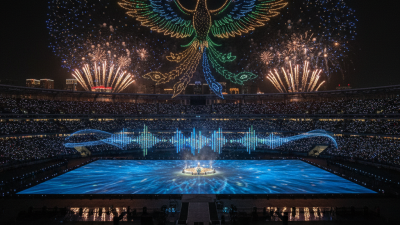
The world of entertainment is evolving rapidly, and one innovation leading this charge is the Light Drone Show. This spectacular fusion of technology and art captivates audiences worldwide. With drones gracefully choreographed in the sky, they create stunning visuals that dazzle the senses. Many events now feature these breathtaking displays, making them a must-see attraction.
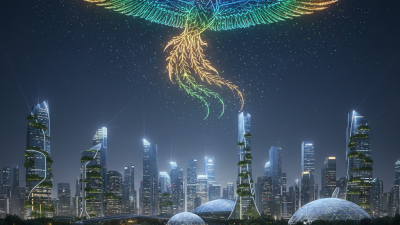
In 2026, we anticipate even more groundbreaking innovations in Light Drone Shows. Advances in drone technology allow for more intricate designs and synchronized performances. Future shows may incorporate interactive elements, engaging viewers like never before. However, the journey of innovation is not without challenges. Ensuring safety, managing environmental impacts, and navigating public perception are ongoing questions.
As we look ahead, experiencing a Light Drone Show will be an exploration of creativity and technology. Each display offers a glimpse into the future of entertainment, showcasing what can be achieved when imagination meets innovation. As these performances evolve, we must reflect on the balance between technological advancements and their implications.
Overview of Light Drone Shows: Definition and Evolution
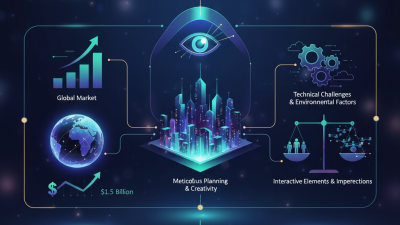
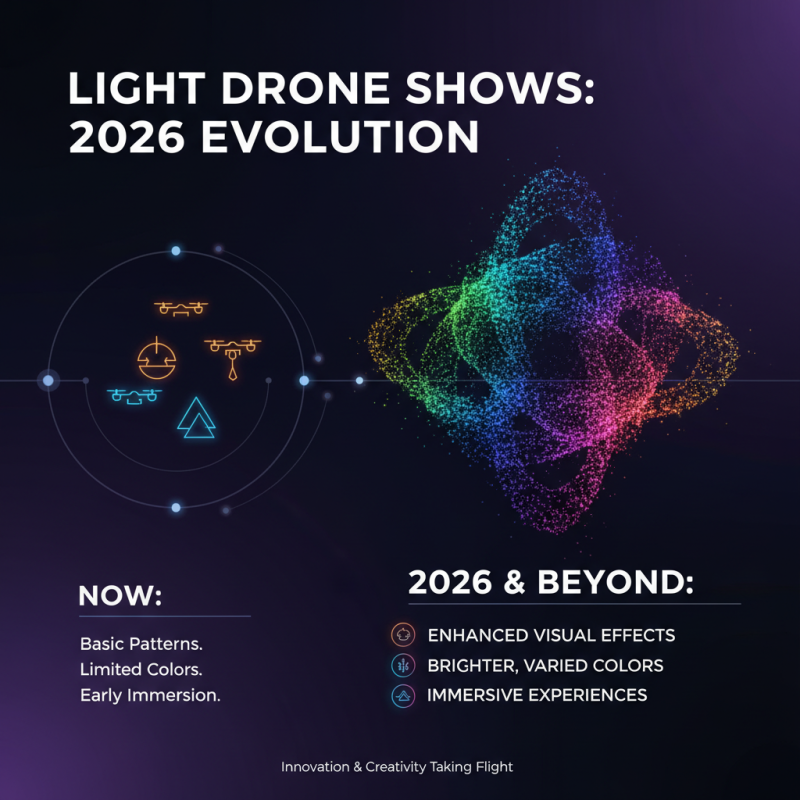
Light drone shows have transformed the entertainment landscape. They blend technology and artistry in unique performances. These shows use fleets of drones equipped with LED lights. In recent years, they have gained immense popularity. According to industry reports, the light drone show market is expected to reach over $1 billion by 2026. This trend reflects a growing interest in innovative entertainment experiences.
The evolution of light drone shows can be traced back to the early 2010s. Initially rare, these exhibitions have become mainstream. They are now featured at large events, festivals, and celebrations. Audiences are captivated by synchronized displays soaring through the night sky. Some encounters, however, lack variety and creativity. While impressive, many shows recycle similar themes and patterns. This tendency raises questions about originality.
Technological advances have pushed the boundaries of light drone performances. Enhanced battery life and precise GPS systems have opened new possibilities. Yet, there are still obstacles to overcome. Safety regulations and environmental concerns remain crucial. As the industry grows, balancing innovation with responsibility is essential. The future could boast even more mesmerizing displays, but challenges need addressing.
Key Innovations in Light Drone Technology for 2026
The light drone show industry is undergoing a significant transformation as we approach 2026. Innovations are reshaping how we think about entertainment. Recent reports estimate that the global drone light show market will exceed $1 billion by 2026, driven by advances in technology. This growth is fueled by improvements in battery life, which now allows drones to perform longer, more intricate shows.
One standout innovation is the development of advanced synchronization software. This software provides precise control, enabling thousands of drones to operate in perfect unison. The ability to create stunning aerial displays relies on this technology. However, challenges remain. Ensuring all drones can communicate seamlessly in real-time is not a simple feat. Signal interference is one of the obstacles that often disrupt perfect shows.
Another critical area of development is energy efficiency. Drones are becoming more eco-friendly, a necessary shift in today’s climate-conscious world. Many new models are built with lightweight materials, reducing energy consumption. Yet, some designs still struggle to balance performance and sustainability. As the industry pushes for innovation, companies must pay close attention to these intricate details. It’s a complex dance of technology, artistry, and environmental responsibility that will define the future of light drone shows.
2026 Best Light Drone Show Innovations
Notable Events Featuring Light Drone Shows in 2026
In 2026, light drone shows are set to captivate audiences at several notable events around the world. These shows combine technology and artistry to create breathtaking performances. Reports predict that the global market for drone light shows will grow exponentially, reaching an estimated value of $1 billion by 2025. This growth indicates a rising demand for innovative visuals in events ranging from music festivals to corporate gatherings.
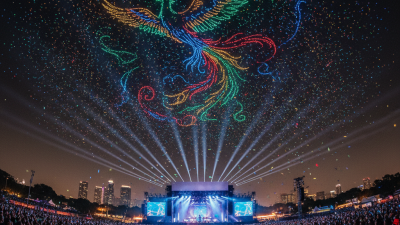
Major events like international film festivals and sporting competitions will feature these stunning displays. These shows can incorporate thousands of drones, each synchronized to create intricate patterns and images in the night sky. The scalability of drone shows allows for unique adaptations at each venue, but they also pose challenges. Ensuring safety and compliance requires rigorous planning and coordination. Event organizers must be mindful of airspace regulations and technical limitations.
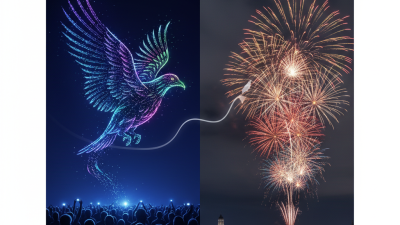
Environmental concerns are another area for reflection. Drone shows might be more sustainable than traditional fireworks, yet they still have an ecological footprint. Noise pollution and energy consumption are factors to consider. Balancing the awe-inspiring impact of light displays with responsible practices will be vital. As the industry evolves, addressing these issues will help sustain the magic of light drone shows for years to come.
2026 Best Light Drone Show Innovations to Experience
| Event Name |
Location |
Date |
Number of Drones |
Duration |
Highlight Features |
| Sky Lights Festival |
New York, USA |
April 15-17, 2026 |
500 |
15 minutes |
3D Light Mapping |
| Global Drone Show |
Tokyo, Japan |
June 20-22, 2026 |
1000 |
20 minutes |
Interactive Light Experience |
| Aerial Illumination Festival |
Sydney, Australia |
September 10-12, 2026 |
750 |
18 minutes |
Music Synchronization |
| Drone Spectacular |
Dubai, UAE |
November 5-7, 2026 |
1200 |
25 minutes |
Visual Storytelling |
Audience Engagement Strategies in Light Drone Performances
Light drone shows are becoming a popular form of entertainment. These performances captivate audiences with stunning visuals and synchronized movements. However, engaging viewers goes beyond just the visual spectacle. Effective audience engagement strategies play a vital role in enhancing the overall experience.
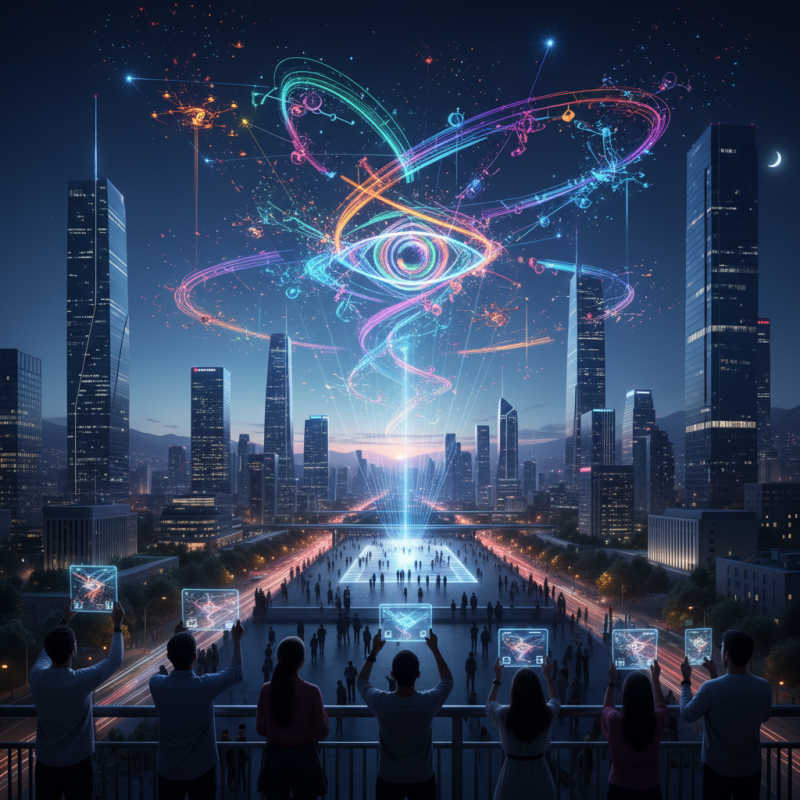
One key strategy is interactive elements. Audiences can vote on song choices via a mobile app during the show. This gives them a sense of ownership and involvement. Incorporating local themes into the narratives creates a stronger connection to the community. Yet, some shows struggle to fully integrate these interactive aspects. Technical difficulties can lead to a disconnect, making spectators feel isolated instead of engaged.
Another method involves using social media to enhance participation. Inviting audience members to share their experiences can create a buzz around the event. However, relying heavily on social media may alienate those who are less tech-savvy. Balancing traditional engagement with modern tech offers opportunities for inclusion. It's crucial to refine these strategies continually. Only then can light drone shows evolve into immersive experiences that resonate deeply with all types of viewers.